MOMO TAX APPEAL! Telecom Players Push for Levy Review to Boost Digital Economy
By Amos Tayebwa
A quiet but important policy conversation is unfolding at the heart of Uganda’s digital economy, where telecom players are appealing to government to reconsider the current 0.5 percent tax on mobile money withdrawals.
At the center of the discussion is a shared concern: how to sustain government revenue while ensuring that the country’s fast-growing digital financial system continues to expand in an inclusive and affordable way.
Telecom industry players say they fully appreciate government’s revenue priorities and the broader economic context. However, they believe there is room for constructive engagement to refine the current tax structure in a way that supports both national development goals and everyday Ugandans who rely heavily on mobile money.
In engagements with stakeholders, industry representatives have maintained that their proposal is not confrontational but rather a collaborative effort aimed at improving the system for all players.
Under the current structure, mobile money transactions attract a 0.5% levy on withdrawals based on the value of the transaction, alongside a 15% tax on the service fees charged by providers.
For millions of Ugandans, mobile money is not just a service—it is a daily necessity. From sending school fees to supporting families upcountry, to running small businesses, the platform has become deeply embedded in everyday life.
Industry players note that government had previously revised the tax regime after public concern, reducing what was once a combination of charges totaling about 4% to the current 0.5% excise duty on withdrawals.
Even with that revision, stakeholders argue that there remains an opportunity to improve the system further, particularly in how taxation is applied.
They point out that service providers already pay a 15% tax on fees charged, meaning the current system effectively applies taxation both on the transaction value and on the service fees, increasing the overall cost burden.
This, they warn, may unintentionally affect usage patterns, especially among lower-income users who are the backbone of mobile money services.
Mobile financial services, they argue, have become an essential part of everyday life, enabling the movement of money from urban centers to rural areas, supporting families, and facilitating business transactions.
In many cases, senders absorb the additional costs by including withdrawal fees in the amounts they send, easing the burden on recipients who may not be able to afford the charges.
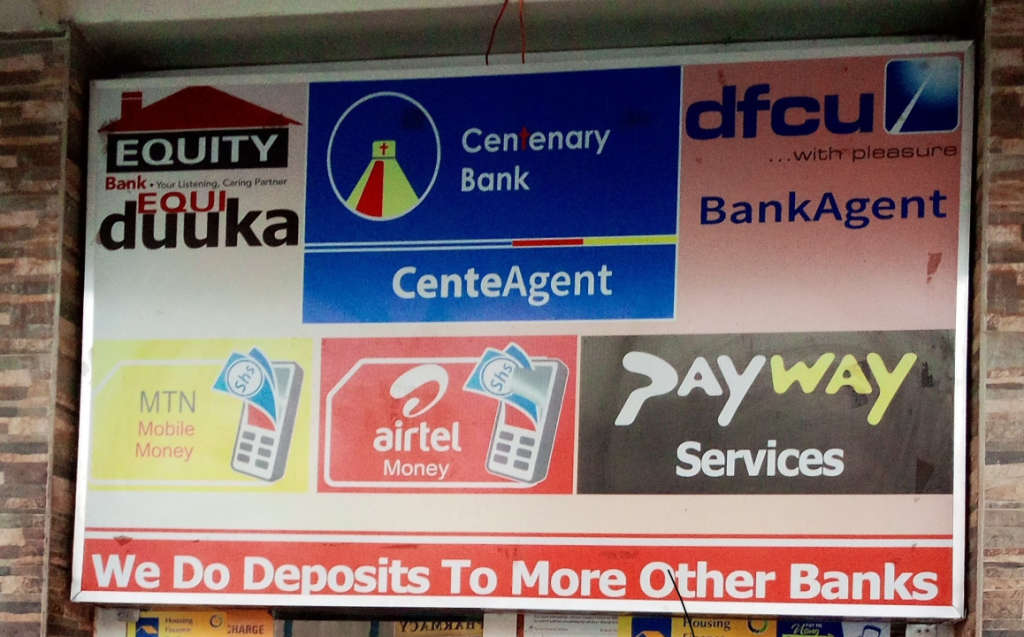
Telecom players have also raised concerns about disparities between mobile money and other financial channels, particularly agency banking, which offers similar services but is taxed differently.
While both systems often rely on the same agents and provide comparable services, agency banking transactions do not attract the 0.5% levy on transaction value, creating what stakeholders describe as an uneven playing field.
This imbalance, they argue, is already influencing behavior, with some higher-value transactions shifting away from mobile money platforms to alternative channels, potentially affecting overall tax collections.
Rather than advocating for a complete removal of the tax, telecom players are proposing a calibrated adjustment—reducing the rate to between 0.2% and 0.25% while spreading the tax more evenly across the financial ecosystem, including banking channels.
They maintain that such a move would lower transaction costs, increase usage, and ultimately expand the tax base.
According to industry projections, reducing the cost burden could significantly boost transaction volumes over the next five years, with withdrawal values expected to grow from approximately Sh31.96 trillion in 2025/2026 to about Sh63.9 trillion by 2029/2030.
With increased volumes, stakeholders believe that overall tax revenues could continue to rise even at a reduced rate, with excise duty collections projected to grow from around Sh80 billion to approximately Sh158 billion over the same period.
Another key concern relates to access and fairness across different segments of the population.
In urban areas, many agents provide both mobile money and agency banking services. However, in more remote and rural settings, mobile money agents are often the only available option, meaning rural populations are more exposed to the tax.
This dynamic, stakeholders argue, places a disproportionate burden on lower-income users, while those with access to alternative financial channels may avoid the levy altogether.
Industry estimates indicate that mobile money agent networks are significantly larger than those of agency banking, further amplifying this disparity.
The discussion also extends to the broader cost of cash in the economy. Significant resources are spent annually on printing and managing physical currency—costs that could be reduced by encouraging greater adoption of digital transactions.
Telecom players argue that promoting digital payments presents a clear opportunity to lower these costs while improving efficiency across the financial system.
Regionally, Uganda’s tax approach also stands out. In several countries, including Kenya, Rwanda, Tanzania, Ghana, and South Africa, there is no equivalent tax imposed on the value of mobile money transactions.
Where such taxes exist, they are often capped to prevent excessive charges on high-value transactions, a model that some stakeholders believe Uganda could consider.
Despite the proposals, government is still studying the issue, with telecom players welcoming continued engagement and dialogue.
They maintain that a balanced approach could enable government to meet its revenue targets while supporting long-term growth in the digital economy.
TELECOM PLAYERS MEET LAWMAKERS
As part of ongoing engagements, telecom players recently appeared before Parliament’s Finance Committee to present their views on the 2026/27 budget proposals.
During these discussions, concerns were raised about the impact of the current tax structure on ordinary Ugandans, particularly those benefiting from government programs such as the Parish Development Model and Emyooga.
Proposals under consideration include introducing a cap on transaction-based taxes, with figures such as Sh5,000 per transaction being discussed.
Current examples show that withdrawing Sh500,000 attracts Sh2,500 in excise duty on the full amount, in addition to a 15% tax on service fees, creating a notable cost burden.
Stakeholders argue that Uganda’s mobile money taxation remains higher than in markets with larger digital economies, reinforcing the need for reform.
Telecom players believe that reducing the tax could increase transaction volumes and, over time, boost overall government revenue.
Estimates suggest that a reduced rate of around 0.25% could still generate up to Shs80 billion annually in the short term.
Meanwhile, civil society groups have also raised concerns about the impact of high transaction costs on financial inclusion.
Civil Society Budget Advocacy Group (CSBAG) has been particularly vocal, highlighting the significant cost differences between mobile money and other financial channels.
Its Executive Director, Julius Mukunda, has pointed out that sending and withdrawing one million shillings via mobile money can cost over 20,000 shillings—nearly four times more than physically transporting the same amount within Kampala suburbs.
As discussions continue, both government and industry players appear aligned on one key goal: building a strong, inclusive, and sustainable digital economy.
The debate now centers on how best to strike that balance—ensuring that revenue needs are met while keeping digital financial services accessible to all Ugandans.
And as this conversation unfolds, one question remains at the center of it all: how can Uganda best support the growth of a digital system that has become so essential to everyday life?
About Post Author