Teach litigants to embrace alternative dispute resolution mechanisms, scribes urged
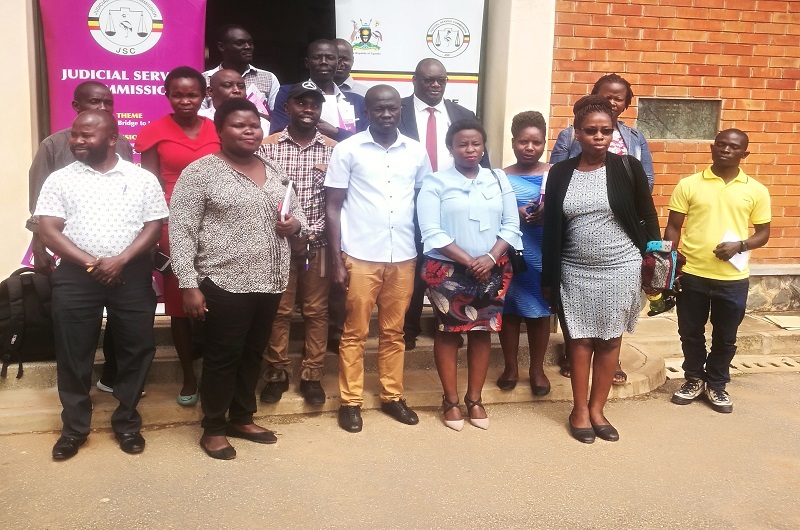
Journalists pose for a group photo with JSC officials at Arua Court shortly after the meeting on Wednesday
BY ANDREW COHEN AMVESI
ARUA: Journalists in the West Nile region have been urged to use their various platforms to teach litigants to embrace alternative dispute resolution mechanisms.
The appeal was made by Samuel Mugisa, the Deputy Registrar of the Judicial Service Commission (JSC) during an engagement with the journalists under their umbrella organization, the West Nile Press Association (WENPA) at Arua Court on Wednesday.
While reacting to several concerns raised during the meeting, Mugisa asked journalists to encourage complainants to make use of alternative dispute resolution mechanisms such as the local council (LC) courts so as to save them from trekking long distances to courts of law.
“Teach litigants to embrace alternative dispute resolution mechanisms. Some of the cases that are brought to court could be handled even in the LC courts. LC courts can handle those land cases; LC II can handle those cases from there. So, you advise them as far as possible to try to use the lowest, the closest and the nearest dispute settlement institutions to avoid those long journeys,” Mugisa said.
Mugisa, however, added that if it is inevitable, complainants can file their matters in the courts of law.
But he said little inconveniences will still be there until the Judiciary fulfills its plan to bring courts closer to the people.
“There are plans for the Judiciary to have courts closer to the people. These courts will be established soon to try to reduce the suffering of our people,” Mugisa promised.
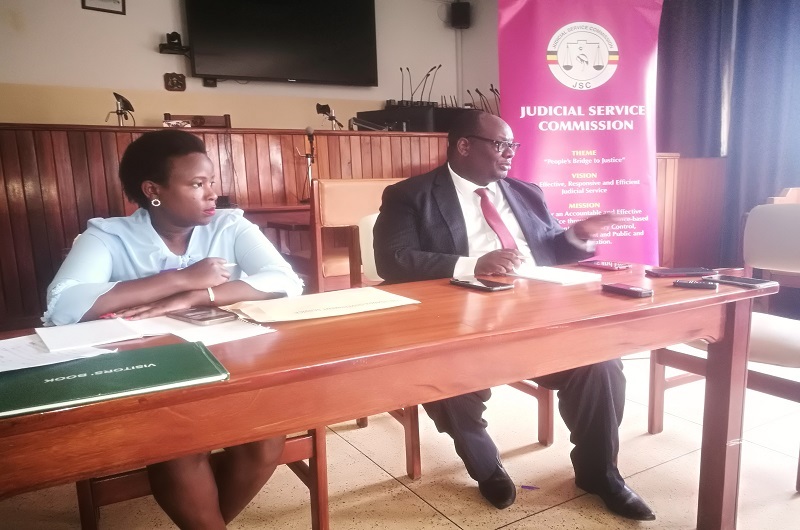
When asked on the cases of corruption in the Judiciary, Mugisa appealed to the public to always report cases of bribery as they occur so that immediate action can be taken against the culprits.
“The important thing is knowing how to report when incidences of bribery and corruption do occur so that we are all accountable to the people and for our actions. And I have already told you that the Judicial Service Commission is one of the institutions where you can register your complaints regarding judicial officers and even non-judicial officers,” Mugisa said.
“You people, you are in a position to get the information which ordinary people might not get that is affecting the administration of justice in your area. So, the way you are exposed apart from telling the general public, you could also send that information to us so that we can investigate and follow it up so that there is general improvement in the administration of justice in your area,” the Deputy Registrar stressed.
Similarly, Juliet Kayondo, the JSC Principal Assistant Secretary requested the scribes to educate the masses on how best they can benefit from the services of the Judicial Service Commission.
“I pledge the commission’s continued effort to sensitize the people on how best JSC can help in the chain of administration of justice and I pray that from now on as you go down there, the people you will talk to are also going to understand and be more informed on the benefits of the use of our services,” Kayondo said.
Meanwhile Clement Aluma Aribo, the WENPA chairperson said journalists, if well informed, can play a very important role in the administration of justice in this country because they are in position to get information which ordinary people don’t have.
“We appreciate JSC for constantly engaging us, which means that they know our value and capabilities. We continue to play our roles of informing and educating the masses to get justice,” Aluma stated.
About Post Author