COFFEE KING! Young Brazilian Farmer Rewrites the Rules of Coffee Production, Lessons for Uganda
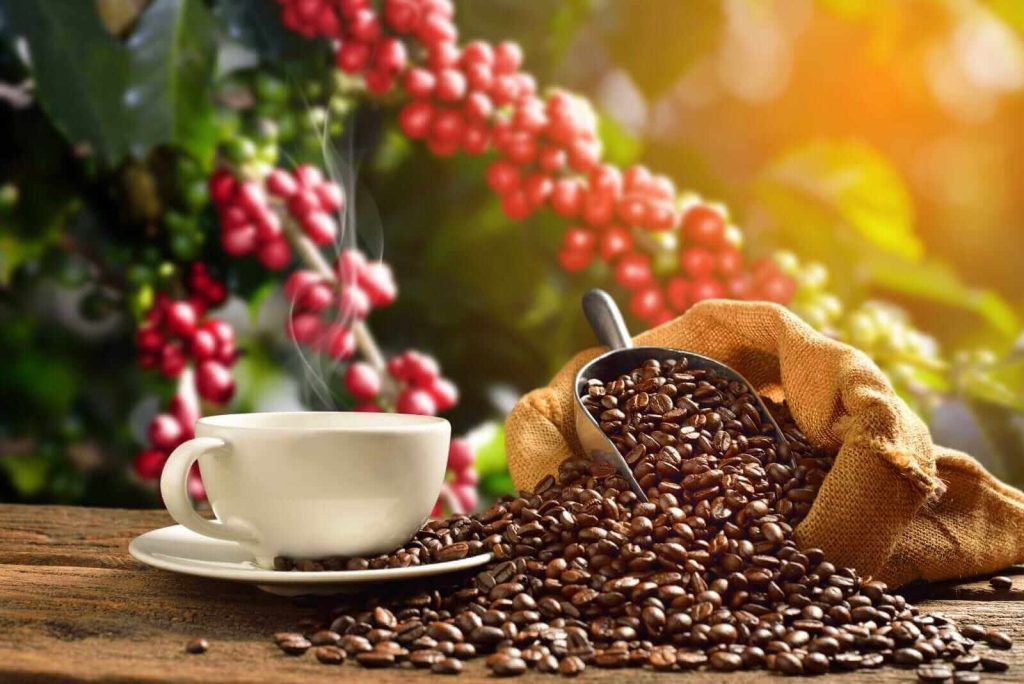
Cup of coffee with coffee beans in burlap sack on coffee tree background by Amenic181 via Shutterstock
By Our Reporter
Brazil may be the world’s coffee giant, but one young farmer is proving that the future of coffee isn’t about growing more beans—it’s about making every bean worth more.
Meet Luka Delpasso, a third-generation coffee farmer from Araraquara in São Paulo State, whose innovative approach to specialty coffee is transforming a modest family farm into a premium coffee brand and offering valuable lessons for Uganda, Africa’s leading coffee exporter.
Brazil exported nearly 40 million bags of coffee worth a record US$15.5 billion in 2025, trading with more than 120 countries. While the country is famous for Arabica, Brazilians themselves consume mostly Robusta—the same variety that dominates Uganda’s coffee industry.
From Family Farm to Premium Brand
The Delpasso family’s coffee journey began in 1999 when Luka’s grandfather João and father Lorival bought a small piece of land and planted their first coffee trees.
Instead of simply expanding production, Luka, an agronomic engineer, returned home after university with a different dream: add value instead of selling raw coffee.
Together with his brother Bruno, he launched Café Delgraan, taking control of every stage of production—from raising seedlings and growing coffee to roasting, branding, marketing and selling directly to consumers.
Their strategy has transformed them from ordinary coffee growers into coffee entrepreneurs.
Quality Over Quantity
Unlike many farmers who chase bigger harvests, Luka deliberately focuses on specialty coffee.
Every coffee cherry is hand-picked three to four times during the harvest season, ensuring only the ripest cherries make it into premium batches.
After harvesting, the cherries are dried on raised, covered platforms to protect quality before being roasted into specialty coffee with chocolate, cocoa and almond flavour notes.
Although the family farms just seven hectares, they produce high-value coffee that attracts premium buyers.
Farming With Nature
Perhaps the biggest lesson for Uganda lies in how the family farms.
Instead of relying on chemicals, they switched from monoculture coffee production to agroforestry, mixing coffee with bananas, avocados, mangoes, legumes and timber trees.
They use biological pest control, organic manure and green fertilisers instead of pesticides.
While Luka admits production volumes declined slightly, the quality of the beans improved significantly—allowing them to earn more from every kilogram sold.
The family has also preserved 20 percent of its land as natural forest, balancing farming with environmental conservation.
Every Bean Creates Value
The Delpassos have diversified beyond farming.
Both Luka and Bruno trained as professional coffee roasters and baristas, giving them complete control over product quality.
They also opened their farm to visitors, turning coffee production into an agri-tourism experience where tourists pay to see how coffee is grown, processed and brewed.
This creates multiple income streams from the same coffee crop.
Lessons for Uganda
For Uganda, which exports millions of bags of largely unprocessed coffee every year, Luka’s model offers a blueprint for increasing farmer incomes.
Rather than depending solely on exporting raw beans, farmers can invest in roasting, branding, packaging and direct marketing to capture greater value.
Agroforestry, organic farming and coffee tourism also present opportunities to improve sustainability while generating additional income.
Luka believes success comes from controlling the entire coffee journey.
“Our mission is to transform coffee from the seedling to the cup while respecting nature,” he says.
For Uganda’s coffee sector, the message is clear: the future may not belong to those who grow the most coffee—but to those who create the most value from every bean.
About Post Author