CLIMATE CHANGE ALERT! UBOS, Water Ministry Rally Government Agencies on Reliable Water and Sanitation Data
Pepper Intelligence Unit November 20, 2026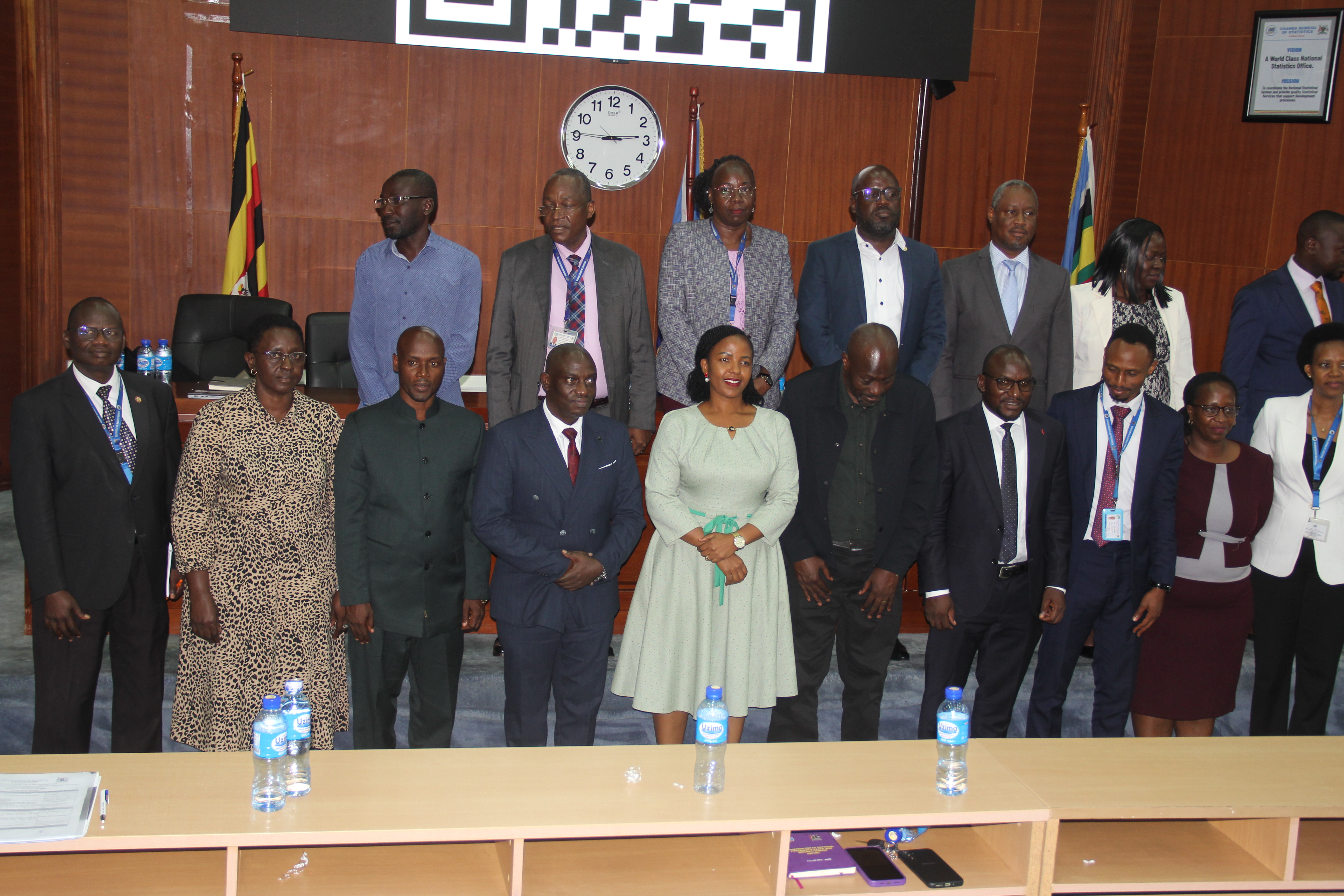
By Evans Najuna
KAMPALA — The Uganda Bureau of Statistics (UBOS) and the Ministry of Water and Environment have rallied government agencies and other stakeholders to strengthen the collection, management and sharing of reliable water and sanitation statistics to help Uganda tackle the growing effects of climate change.
The call was made on Wednesday during the closing ceremony of Africa Statistics Week 2026 at Statistics House, the UBOS headquarters in Kampala, where government officials emphasised that effective climate change response, sustainable water management and improved sanitation require accurate, timely and credible data.
The discussions were held under the theme, “Institutionalizing Water and Sanitation Statistics for Sustainable and Climate-Resilient Development in Africa,” focusing on the need to embed statistical production and utilisation into the routine operations, budgets and institutional plans of government agencies.
Representing the Minister of Water and Environment, Maj. Gen. (Rtd) Kahinda Otafiire, Commissioner for Rural Water Supply and Sanitation Eng. James Sseguya said climate-related shocks, including droughts, floods and changing rainfall patterns, are increasingly threatening water availability, sanitation infrastructure and environmental sustainability.
He noted that droughts reduce water availability, while floods can damage infrastructure, contaminate water sources and disrupt sanitation services, making reliable statistics essential for anticipating risks and guiding government interventions.
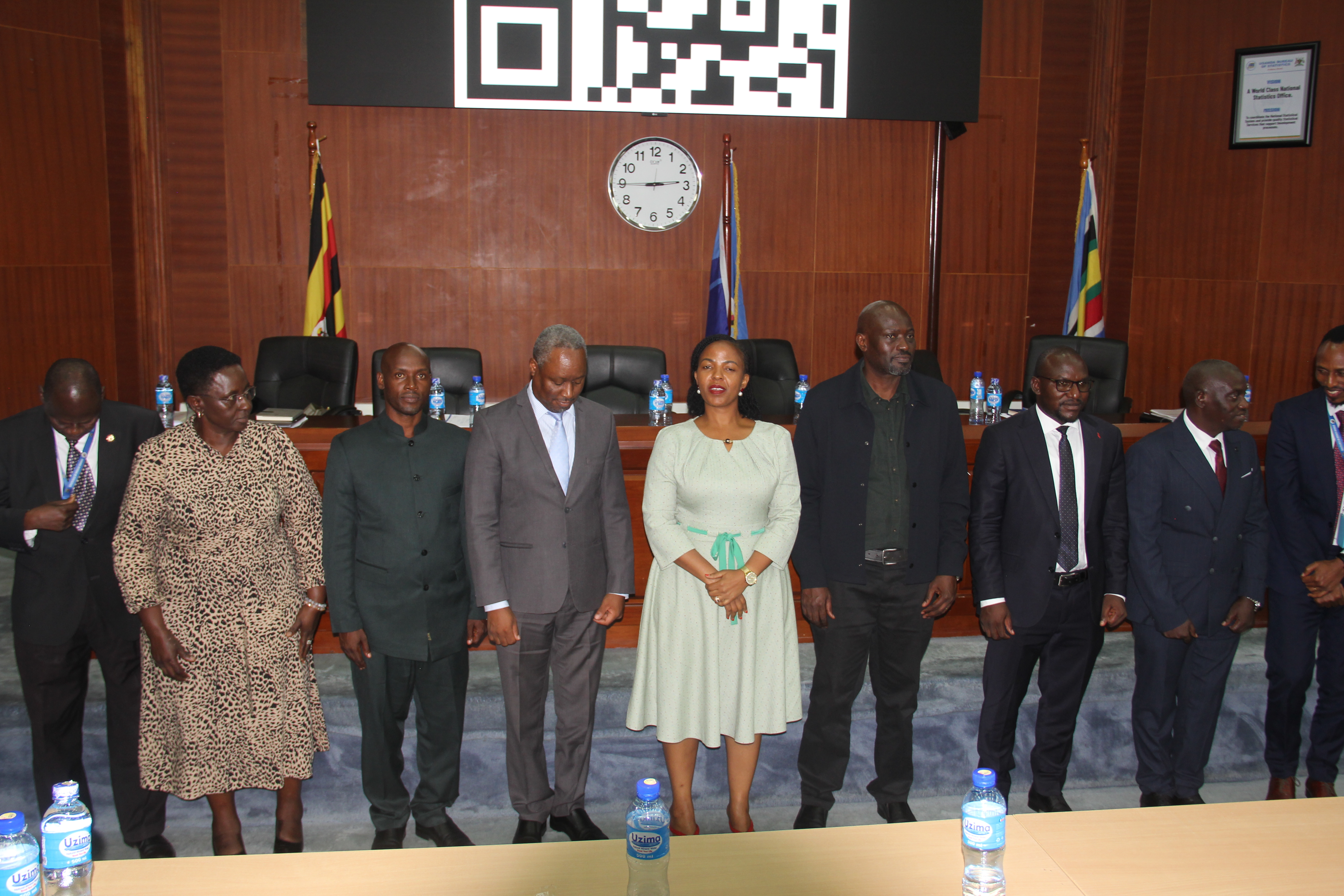
Sseguya reaffirmed the Ministry’s commitment to working with UBOS, local governments and other stakeholders to strengthen the generation, management, coordination and utilisation of water, sanitation and environmental statistics.
He called for stronger institutional coordination, improved data collection and monitoring systems, evidence-based planning and investment, capacity building and enhanced accountability in the water and environment sector.
The Commissioner also challenged technical agencies and local governments to strengthen their administrative records and routine monitoring systems, saying these are important sources of information for effective planning and decision-making.
UBOS SOUNDS COORDINATION CALL
Representing UBOS Board Chairman Albert Byamugisha, Board Member Allen Kabagenyi said statistics must be recognised as an essential instrument of governance rather than mere numbers collected for reporting purposes.
He observed that reliable water and sanitation statistics help government identify communities without access to safe water, establish sanitation service gaps, monitor infrastructure performance and identify areas most vulnerable to climate-related risks.
Byamugisha challenged public institutions to institutionalise statistical production by integrating data collection, management and utilisation into their mandates, policies, plans, budgets and routine operations.
He further called for common statistical standards, clearly defined institutional responsibilities, adequate resources and professional capacity to ensure that information generated across government institutions is accurate, timely and comparable.
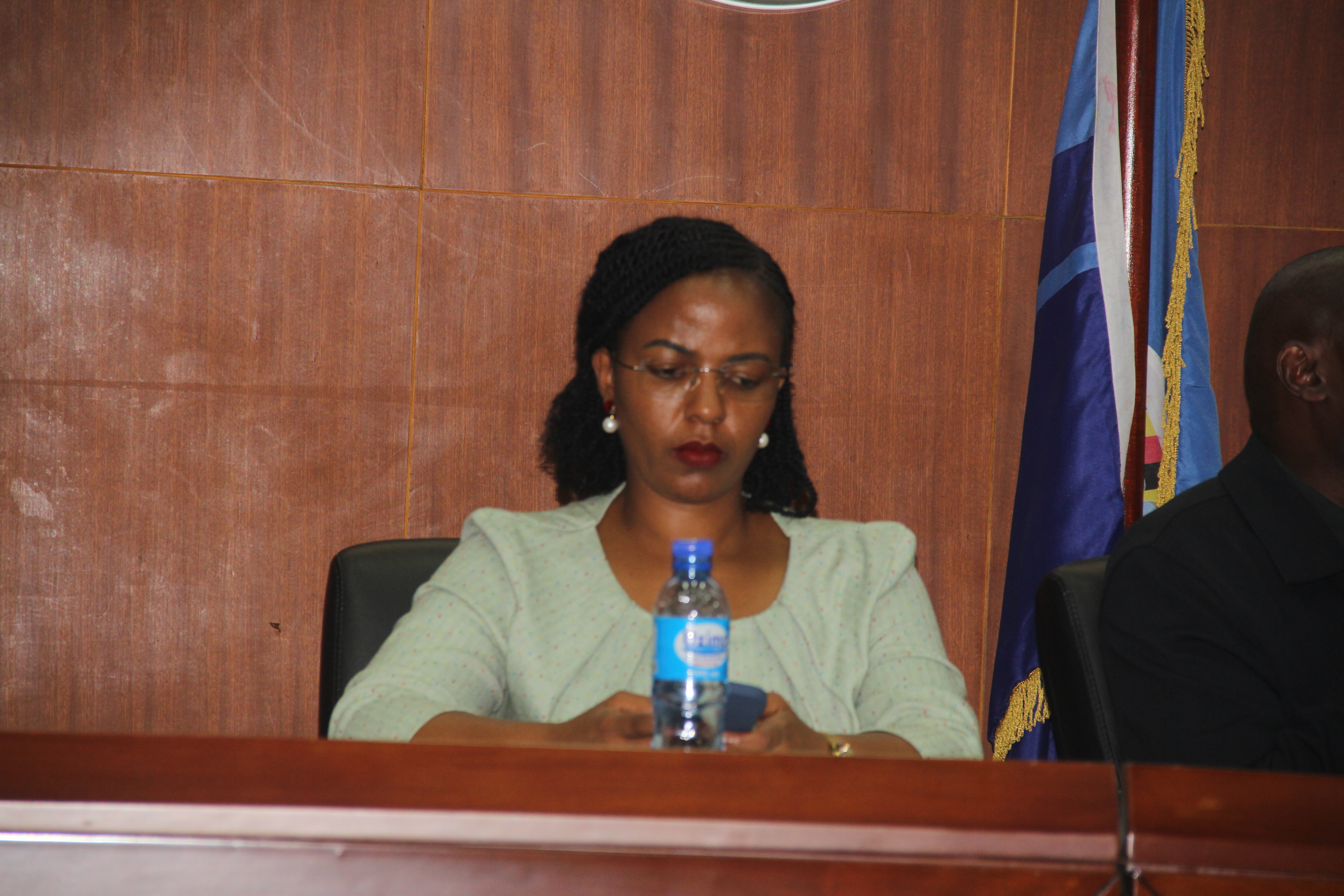
The Board Chairman reaffirmed the Board’s commitment to providing strategic oversight and governance to strengthen UBOS’s mandate and the National Statistical System.
UBOS WANTS GOVERNMENT TO CUT DATA COLLECTION COSTS
Meanwhile, UBOS Acting Executive Director Vicente Ssennono urged government institutions to strengthen their administrative data systems, saying this could reduce the cost of conducting surveys and censuses for indicators that can be obtained through routine institutional records.
Ssennono explained that although UBOS generates substantial statistics through national censuses and household surveys, ministries, departments and agencies also collect important information through their daily operations.
He said strengthening these systems would enable Uganda to generate more frequent, reliable and comprehensive statistics while improving geographical coverage and reducing duplication in data collection.
The Acting Executive Director appreciated the Ministry of Water and Environment, National Environment Management Authority (NEMA), Ministry of Health, Ministry of Local Government and National Water and Sewerage Corporation (NWSC) for their continued collaboration in producing water, sanitation and environmental statistics.
He emphasised that the country needs coordinated systems capable of generating accurate, timely, relevant, comparable, disaggregated and accessible information while protecting confidentiality and observing data protection requirements.
The event also highlighted UBOS’s efforts to strengthen Uganda’s National Statistical System through the Fourth Plan for National Statistical Development (PNSD IV), the UBOS Fourth Strategic Plan and the Service Delivery Standards, which were launched on November 13, 2026.
The frameworks provide strategic direction for improving statistical production, coordination, dissemination, partnerships and service delivery across government institutions.
Africa Statistics Week 2026 activities also included a media briefing on November 12, a professional seminar for UBOS staff on the use of Artificial Intelligence in statistical production on November 16, and a students’ symposium on November 17.
The week-long celebrations sought to promote statistical awareness, professional development, innovation and public appreciation of the role of data in national development.
In their closing messages, the officials urged government agencies, development partners, academia, civil society and the private sector to strengthen partnerships and ensure that statistics inform practical decisions.
They stressed that climate-resilient development requires institutions that can consistently generate, share and use credible data to protect water resources, improve sanitation, guide public investment and safeguard communities against climate-related risks.
About Post Author