YOUTH SKILLS CRISIS! Ugandan MPs Use Commonwealth Conference to Demand Education Overhaul, Stop Jobless Graduates

Speaker Jacob Marksons Oboth, together with a delegation of MPs attending the 55th CPA Africa Region Conference held in Lilongwe, Malawi
LILONGWE, MALAWI — Ugandan legislators have demanded an urgent overhaul of the country’s education system, warning that the widening gap between classroom training and labour market demands is leaving thousands of young people armed with certificates but without the practical skills needed to secure jobs or create sustainable enterprises.
The MPs made the call at the 55th Commonwealth Parliamentary Association (CPA) Africa Region Conference in Lilongwe, Malawi, where they warned that Uganda risks wasting its rapidly growing youthful population unless education is urgently redesigned to produce a skilled and productive workforce.
Hon. Emely Kugonza, the Buyanja East MP, presented a paper titled “Bridging the Skills Gap: Aligning Education with Labour Market Demands in Africa,” in which he argued that Uganda’s education system still carries significant elements of a colonial model that was designed to produce workers for an externally oriented economy rather than a self-sufficient and industrialised Uganda.
Kugonza said the result is a growing army of graduates with academic qualifications but inadequate practical competencies, even as employers struggle to find workers with technical, digital, engineering and vocational skills.
He warned that the mismatch is not merely an employment problem but a threat to Uganda’s economic transformation, social stability and national security.
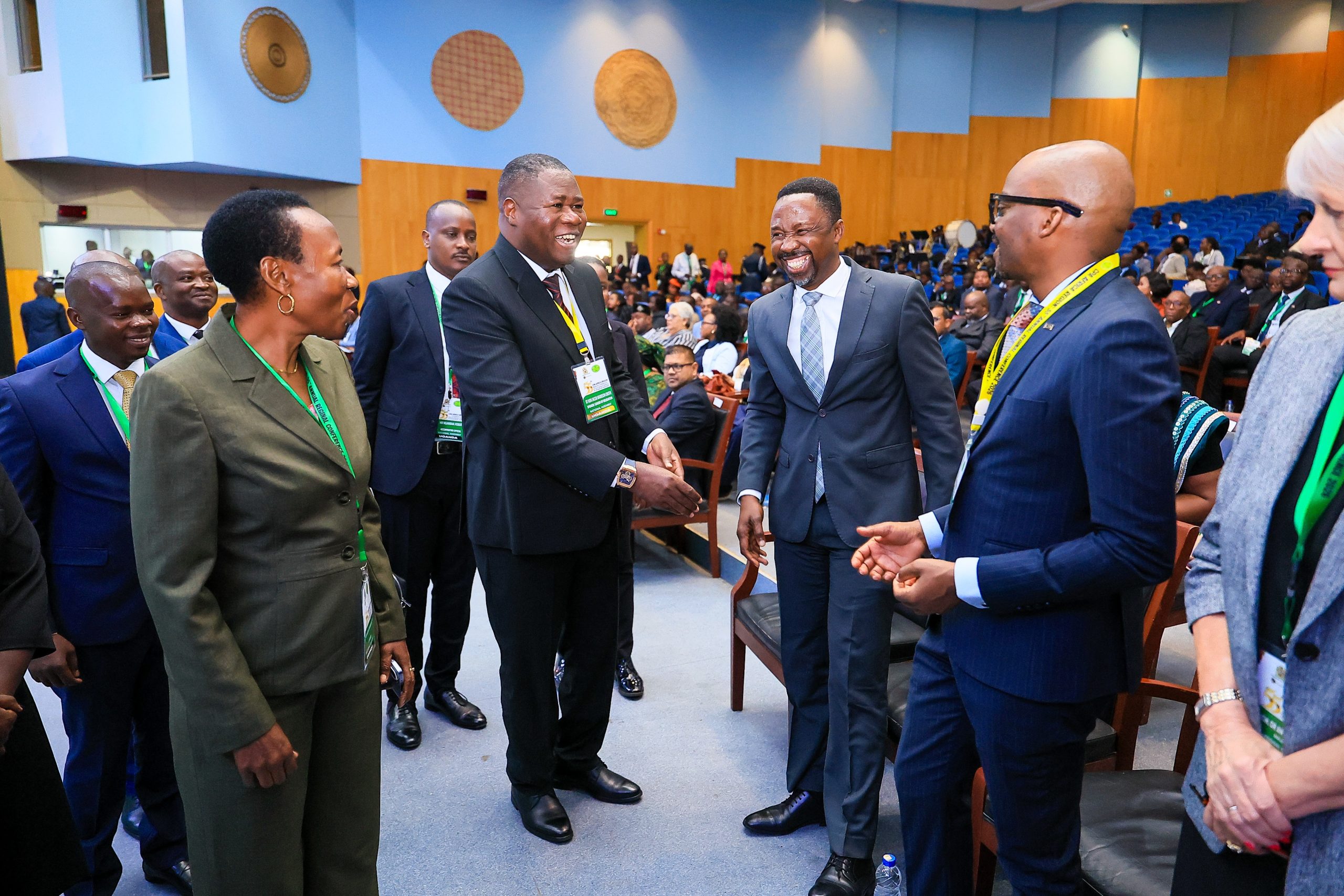
The Ugandan delegation, led by Speaker Jacob Marksons Oboth, argued that education reform must be treated as a national priority if the country is to fully exploit emerging opportunities in oil, minerals, manufacturing, technology and other sectors.
SKILLING FROM PRIMARY SCHOOL
Kyotera Woman MP Fortunate Rose Nantongo called for vocational and practical skills to be introduced much earlier in the education journey, arguing that skilling should begin from primary school rather than being treated as an option for students who fail to pursue conventional academic education.
Nantongo also urged Government to adequately fund skilling centres across the country, warning that training institutions cannot deliver results when they lack the necessary equipment, instructors and financial support.
Maruzi North MP Otim Benard proposed an even more ambitious approach — transforming every primary school, secondary school and other learning institution into a centre for practical skills development.
He argued that such a move would help Uganda absorb its large population of unemployed and unskilled young people while preparing them for both formal employment and entrepreneurship.
Rushenyi County MP Naome Kabasharira backed the emphasis on practical education, defending Uganda’s focus on sciences and innovation.
She argued that a hands-on curriculum would give Ugandan youth a better chance of competing in an increasingly competitive global labour market.

MPs: POLICIES MUST MOVE BEYOND PAPER
Kugonza acknowledged Government’s efforts to address the skills gap, pointing to the 2020 Lower Secondary Curriculum and its shift towards competency-based learning, as well as the expansion of Business, Technical and Vocational Education and Training (BTVET) institutions.
However, Kumi Municipality MP Silas Aogon warned that policies and legislation alone would not solve Uganda’s skills crisis.
Aogon challenged Parliament to strengthen its oversight role and ensure that the recently passed TVET law is fully implemented, with adequate funding provided to turn vocational training institutions into productive centres capable of transforming young people’s lives.
The MPs said the Government must also ensure that training is linked directly to the needs of employers and emerging industries instead of continuing to produce graduates for jobs that may no longer exist.
Kugonza further urged Government to shift Uganda’s economic strategy from exporting raw materials towards producing high-value goods locally.
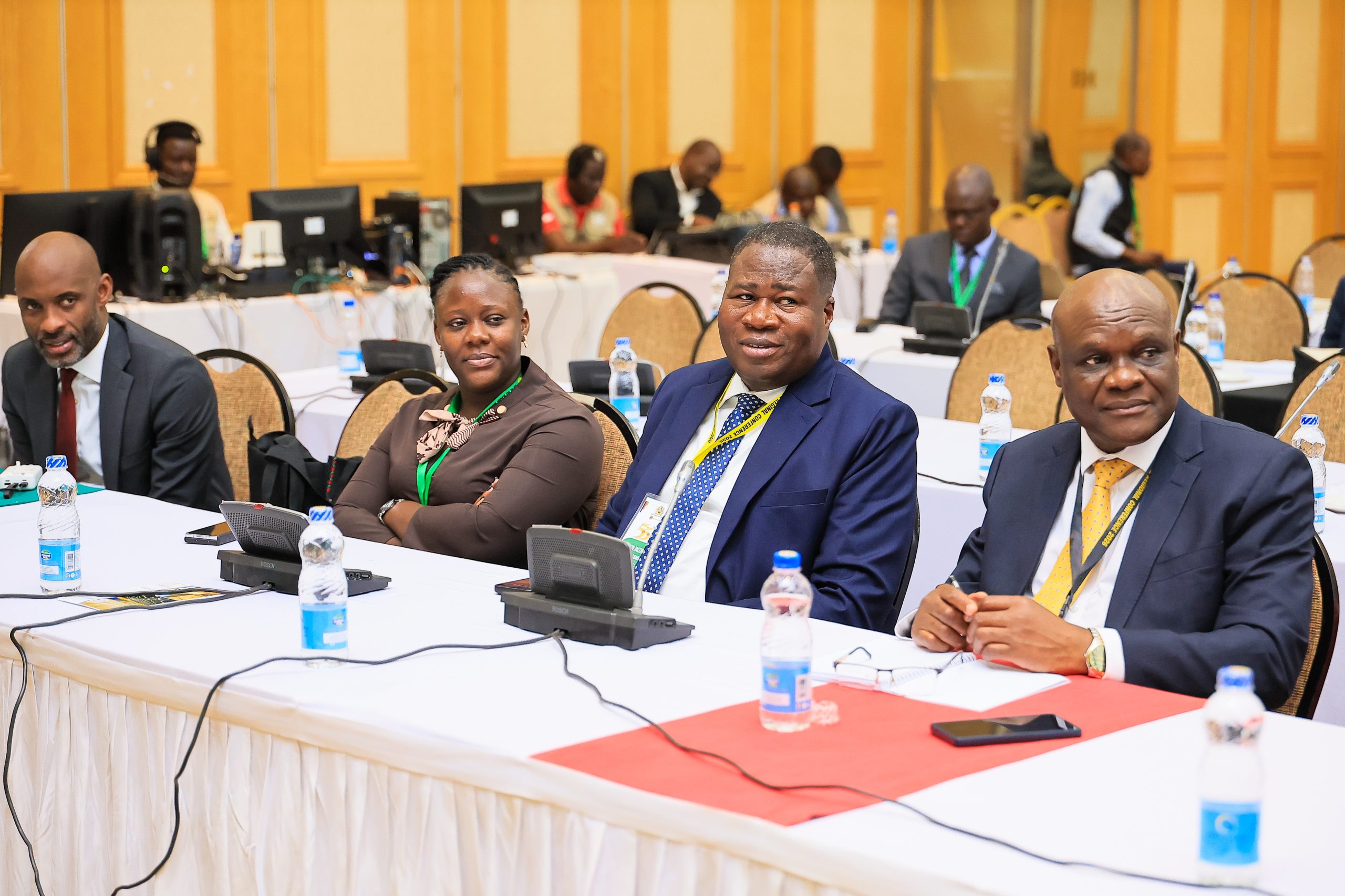
He also challenged industries to become active partners in skills development rather than simply waiting to recruit graduates after they leave school.
He argued that employers should help shape training programmes so that young people acquire the exact competencies required by the economy.
The legislators said Uganda’s youthful population should be viewed not as a burden but as one of the country’s greatest economic assets.
They warned, however, that without urgent investment in practical education, vocational training, technology and industry-linked skills, Uganda could continue experiencing the paradox of having large numbers of unemployed graduates while businesses struggle to find suitably skilled workers.
The delegation said closing the skills gap would be critical to ensuring that Uganda’s young population becomes the engine of economic transformation rather than a generation trapped in unemployment, underemployment and poverty.
GOT A HOT STORY? LET US KNOW!
Got breaking news, explosive secrets, or hard evidence?
Email us: redpeppertips@gmail.com
We accept tips, documents, videos, photos, and recordings—the more evidence you have, the better.
CONFIDENTIALITY IS OUR TOP PRIORITY. SOURCES ARE ALWAYS PROTECTED!
About Post Author