HOTEL COST CUTS! Nyamutoro, Equity Bank Push Green Investment as Hoteliers Demand Flexible Loans

Minister of State for Energy and Mineral Development Phiona Nyamutoro(Thrid ftom Left) pasues with some of the panelists during the Conference
Minister of State for Energy and Mineral Development Phiona Nyamutoro has challenged Uganda’s hospitality industry to turn the country’s green energy ambitions into profitable investments, unveiling a national initiative aimed at reducing operating costs, attracting investment and strengthening tourism competitiveness.
The National Green Hospitality Initiative, launched at Serena Hotel Kampala on October 20, 2026, seeks to transform hotels, lodges, resorts and conference facilities from heavy energy consumers into drivers of sustainable economic growth.
Co-hosted by the Ministry of Energy and Mineral Development and Equity Bank Uganda, the initiative places affordable financing, clean-energy technology and government policy at the centre of Uganda’s transition towards greener tourism.

Speaking at the launch, Nyamutoro said renewable energy offered opportunities to lower operating costs, improve service reliability and create new business opportunities across the tourism value chain.
“When we talk about solar power, energy storage, efficient equipment, clean cooking and electric mobility, we are looking at lowering operating costs, improving service reliability, and reducing exposure to unpredictable energy expenses,” she said.
The minister noted that savings from energy efficiency could be reinvested in skilled staff, better facilities, business expansion and improved visitor experiences.
She said the transition would also generate demand for project developers, energy auditors, engineers, equipment suppliers, installers, financiers and maintenance firms, creating employment and investment opportunities beyond the hospitality sector.

Nyamutoro said the initiative aligned with Uganda’s Fourth National Development Plan and the Energy Policy for Uganda 2023, particularly in promoting sustainable energy, tourism development and private-sector growth.
She outlined key deliverables, including identifying hospitality facilities for energy assessments and potential retrofits, developing Uganda Green Hotel Standards, establishing a framework to address investment barriers and creating a specialised financing window for green projects.
The programme also proposes Green Hospitality Awards to recognise businesses demonstrating measurable sustainability performance and responsible business leadership.
“The investment case before us is therefore clear: lower costs, more reliable services, stronger enterprises and new commercial opportunities,” Nyamutoro said.
She called on hospitality businesses to develop bankable projects, financial institutions to unlock affordable capital, technology providers to deliver dependable solutions and public institutions to create an enabling investment environment.
Equity Bank Uganda’s Director of Public Sector and Social Investments, Catherine Psomgen, said financial institutions must move beyond promoting sustainability and help convert viable green opportunities into bankable investments.
“Renewable energy and efficiency should not be viewed simply as environmental expenses, but as investments,” Psomgen said.
She noted that hotels depend heavily on energy for lighting, cooking, water heating, cooling, laundry and transport, making clean-energy investments an opportunity to improve profitability and operational resilience.
The bank is positioning itself to support the transition through green loans, equipment financing, leasing, blended finance and other financing arrangements that can help hospitality businesses adopt solar photovoltaic systems, battery storage, efficient cooling and clean-cooking technologies.
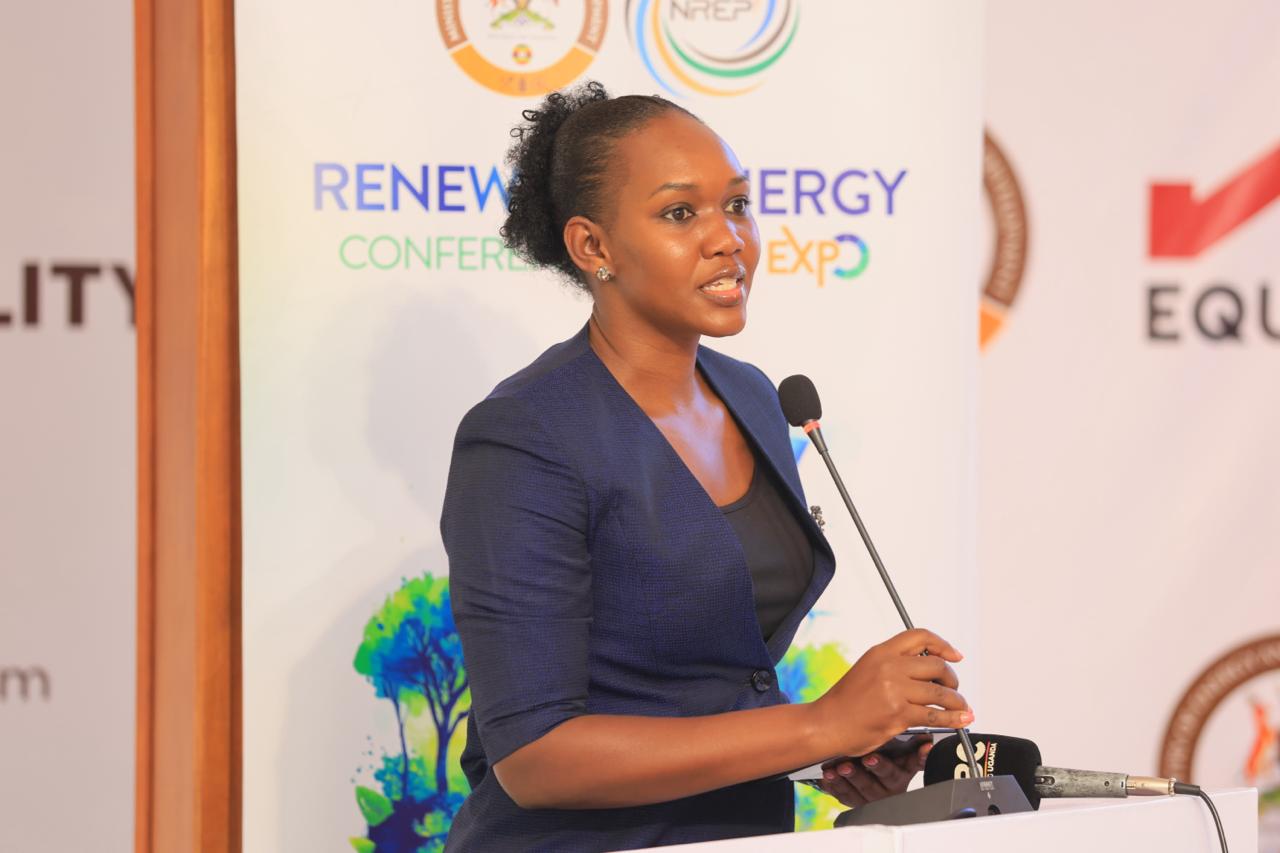
Through a Green Tourism Business Clinic, Equity bank and other participating institutions are also expected to help hospitality operators assess their cash flows and explore financing options for energy retrofits.
Psomgen said the transition would require coordinated action by government, financiers, technology providers and tourism operators, adding that success should be measured by investments mobilised, technologies deployed, jobs created and improvements in business performance.
However, Uganda Hotel Owners Association chairperson Jean Byamugisha said access to green loans alone would not guarantee widespread adoption unless banks adapted repayment arrangements to the realities of the hospitality business.
“One shoe does not fit all. Banks need to restructure their loans to reflect the seasonal nature of the hospitality industry,” Byamugisha said.
She explained that hotels generally generate stronger revenues during peak tourism seasons, enabling them to service loans, while off-peak periods can place pressure on cash flows.
During quieter months, she argued, lenders should allow businesses additional time to repay, rather than imposing repayment schedules that fail to account for fluctuations in occupancy and revenue.
Flexible repayment structures could help hotels invest in renewable energy without compromising their ability to meet operational costs during low-demand periods.
The initiative proposes identifying four to five hospitality facilities for detailed assessment and potential retrofit support, creating demonstration projects ahead of the next Renewable Energy Conference.
Other priorities include a national green hospitality certification framework and a specialised financing window combining green loans, concessional credit and Energy Service Company pay-as-you-save models.
For Uganda, the ambition is to make sustainability commercially attractive: lowering energy bills, improving visitor experiences, creating jobs and strengthening the competitiveness of the tourism industry.
As Nyamutoro emphasised at the launch, the task now is to convert the country’s green ambitions into profitable investments, with financing and partnerships capable of delivering measurable economic benefits.
GOT A HOT STORY? LET US KNOW!
Got breaking news, explosive secrets, or hard evidence?
Email us: redpeppertips@gmail.com
We accept tips, documents, videos, photos, and recordings—the more evidence you have, the better.
CONFIDENTIALITY IS OUR TOP PRIORITY. SOURCES ARE ALWAYS PROTECTED!
About Post Author