FEDERATION PRESSURE! Speaker Oboth Urges Uganda, Tanzania To Lead East Africa Into Unity… Tells TZ Mps: “Who Has Bewitched Us Not To Unite?”
KAMPALA – Speaker of Parliament Jacob Oboth-Oboth has challenged Uganda and Tanzania to take the lead in pushing East Africa towards political federation, arguing that historical, cultural and economic ties between the two countries provide a strong foundation for regional unity.
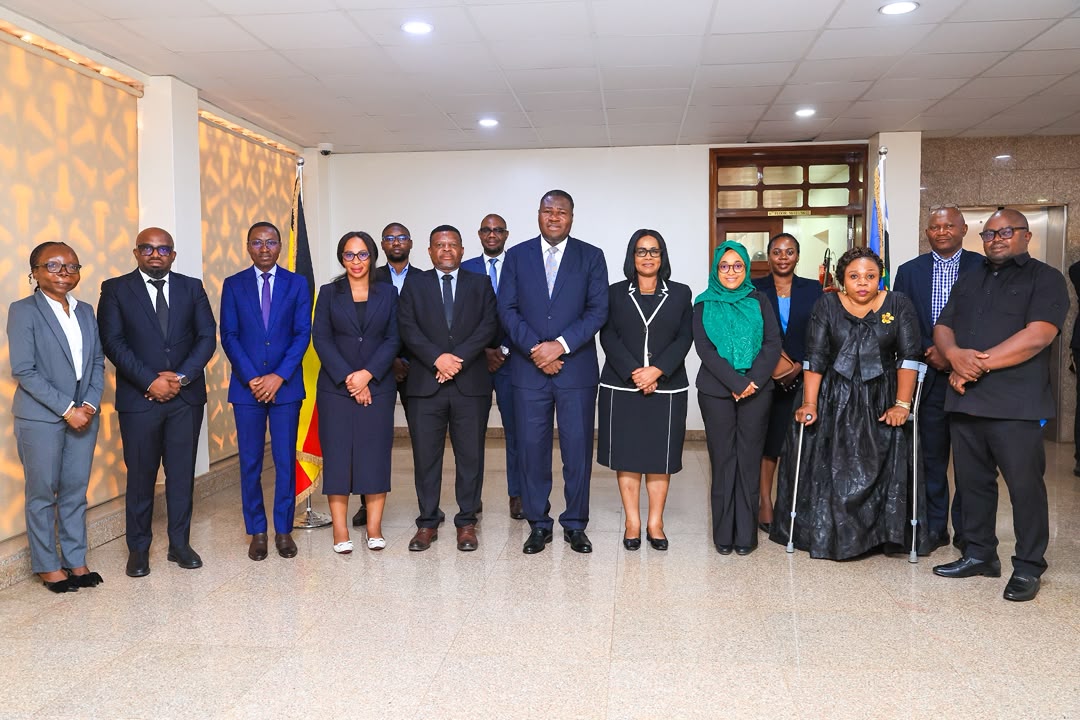
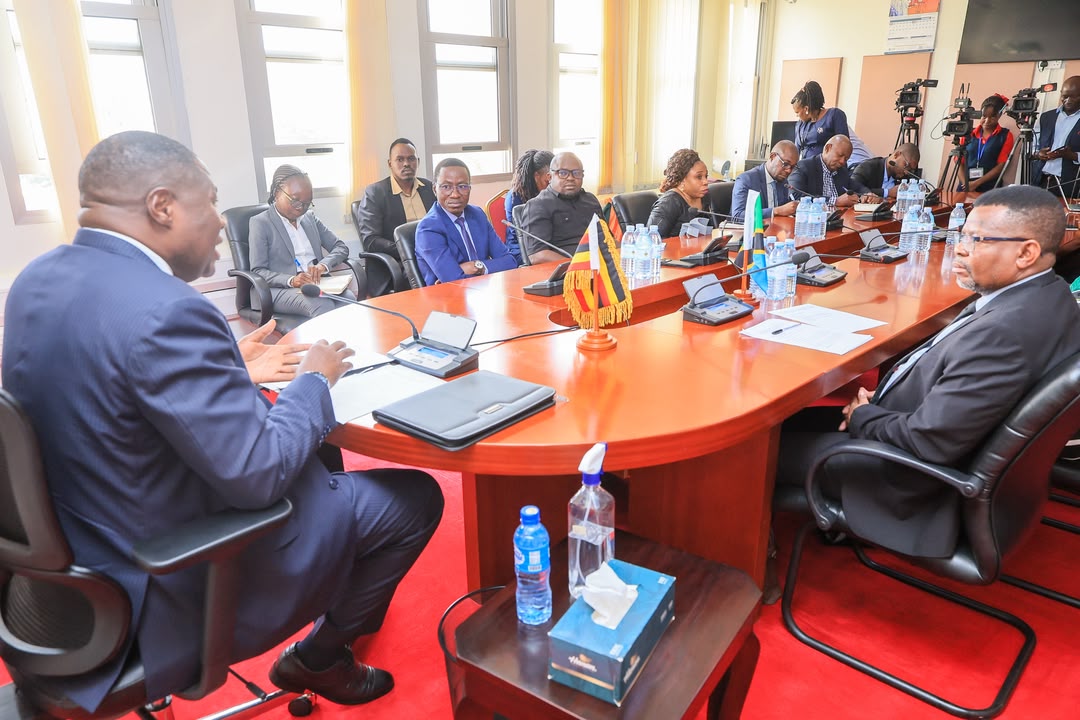
Oboth made the call on Wednesday while receiving a 14-member delegation from the Budget Committee of Tanzania’s Parliament, led by its Vice Chairperson, Ali Hassan Omar King, which is in Uganda up to November 27 to study the country’s parliamentary budgeting system.
The Speaker urged leaders in both countries to stop treating regional integration as a distant political ambition and instead begin planning for East Africa as one country.
“We did not choose to be in East Africa, but the East African region chose us a long time before our great-great-parents,” Oboth said.
“Should we find more reasons to stay apart, or more reasons to unite? When we go back to legislating, let us plan for East Africa as one country.”
He suggested that Uganda and Tanzania could spearhead the process before bringing other regional states on board.
“It can be Uganda and Tanzania first,” he said, citing the 1964 union between Tanganyika and Zanzibar that gave birth to the United Republic of Tanzania as an example of political unity.
“WHO HAS BEWITCHED US?”
To demonstrate the cultural connections between the two countries, Oboth turned to the names of members of the visiting delegation, explaining how several names share roots and meanings across the border.
He cited Kakulu, which carries a similar meaning to Uganda’s Kakuru, referring to the big one or first-born male twin; Nyakisa, derived from kisa, meaning sympathy or compassion; and Kakozi, which describes a hardworking person.
The Speaker also invited a member of his staff to greet the Tanzanian visitors in his mother tongue, with the delegation understanding the greeting.
“Isn’t that demonstration clear to you? People of East Africa, who has bewitched us not to unite?” he asked.
Oboth, who said he has relatives near Musoma on the Tanzanian shores of Lake Victoria, argued that ordinary citizens have embraced regional integration more readily than political leaders.
“Traders at the borders don’t know that they are different. They cross, buy their things and go,” he said.
“It is us who are speaking too much English, and we are delaying the integration.”
He recalled the 1964 commitment by Uganda and Kenya’s leaders towards East African unity and the earlier East African Community’s shared airline and transport systems.
He also pointed to regional defence cooperation, including joint military exercises under the East African Standby Force, as evidence that the countries already have structures for working together.
The Speaker paid tribute to Tanzania for its role in Uganda’s history, particularly the contribution of the Wakombozi and the Tanzania People’s Defence Force soldiers who helped end dictatorship in 1979.
He described their contribution as giving Uganda a “second independence” and helping lay the foundation for the country’s stability.
UGANDA’S BUDGET SYSTEM UNDER SPOTLIGHT
Turning to the delegation’s official mission, Oboth said Uganda had made significant strides in strengthening Parliament’s role in budget scrutiny and oversight.
He noted that Uganda was the first African country to establish a Parliamentary Budget Office and a dedicated Budget Committee to scrutinise the national budget before it is presented.
The legal framework underpinning the process originated from a private member’s Bill moved by former legislator Beatrice Kiraso, who later served as Deputy Secretary General of the East African Community.
“The World Bank has helped many parliaments to benchmark Uganda, and there is a lot to learn from here,” Oboth said.
He explained that Uganda’s budget cycle runs from October to June, incorporating budget conferences and consultations through which citizens contribute to national spending priorities.
“People used to be glued to television and radio to hear the budget speech. These days, before the speech is read, people have already participated,” he said.
Under the arrangement, sectoral committees submit their reports to the Budget Committee for consideration.
However, Oboth cautioned legislators against confusing Parliament’s oversight role with the Executive’s responsibility for setting national spending priorities.
He said MPs seeking funding for projects should lobby early in the budget process rather than attempt to introduce new priorities at the appropriation stage.
He also commended the Tanzanian delegation for emphasising evidence-based budgeting and parliamentary oversight.
TANZANIANS SEEK BUDGETING LESSONS
Hon. King conveyed greetings from Tanzania’s Speaker of Parliament, Mussa Azzan Zungu, and expressed appreciation for Uganda’s willingness to share its parliamentary experience.
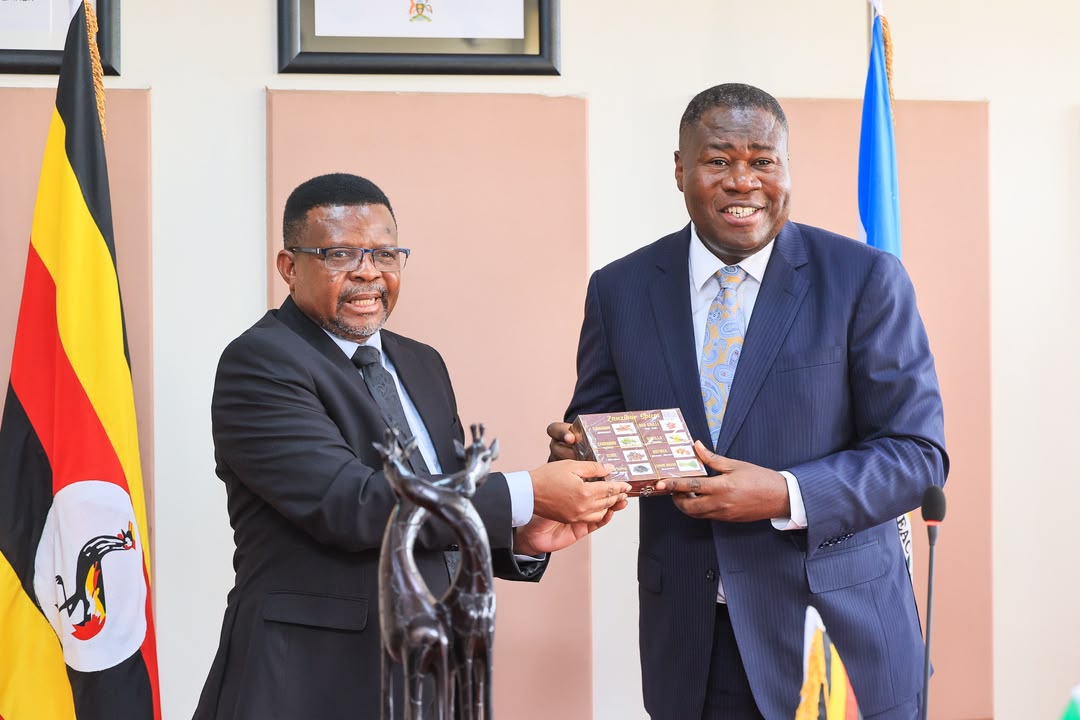
The delegation is scheduled to hold engagements with Parliament’s Budget Committee and Parliamentary Budget Office, the Uganda Revenue Authority, the Public-Private Partnership Unit and the Uganda Investment Authority.
“We look forward to translating the lessons from this visit into practical improvements in our parliamentary budget oversight processes,” King said.
Oboth said he would invite Speaker Zungu for an official visit to Uganda next year and wished the delegation fruitful engagements during its stay.
GOT A HOT STORY? BLOW THE WHISTLE!
Have breaking news, explosive revelations, juicy leads or evidence of wrongdoing?
WE WANT TO HEAR FROM YOU!
Send your tips, documents, videos, photos and audio recordings to:
redpeppertips@gmail.com
Whether it’s corruption, scandals, abuse of office, injustice or stories others are afraid to tell, help us bring the truth to light.
SOURCES ARE PROTECTED.
CONFIDENTIALITY IS OUR NO.1 PRIORITY!
About Post Author