EQUITY BANK EMPOWERS ZIGOTI WOMEN! Coffee Farm Jobs Turn Into Thriving Businesses As Mothers Make Briquettes, Produce Organic Fertiliser & Build Savings Through SACCO.
Our Reporter
When 26-year-old Cissy Nafula left Busia and moved to Zigoti in Mityana District, she arrived with a simple goal: find a way to provide for her two children. Starting a business seemed the most likely path. Working on a coffee farm was not. But a chance introduction to Zigoti Coffee Works Limited earlier this year set her on a different journey, one she says has given her stability and renewed hope.
“I came here looking for something I could do to support my children,” she says. “When I got the opportunity to work, I took it. It gives me an income and something I can depend on.”
Nafula is among dozens of women earning a living through coffee production and processing at Zigoti Coffee Works, a women-led enterprise headed by Managing Director Rose Kato Nakayenga.
On a typical day, women can be seen sorting and cleaning coffee beans, tending coffee gardens, mulching fields and preparing harvested coffee for processing. Their work forms a critical part of the farm’s operations.
According to Operations Manager William Muyanja, the company employs eight women on permanent contracts and engages an average of 20 others daily, particularly during peak post-harvest periods.
Yet for many of the women, the coffee farm has become more than a workplace.
For Loyce Nakitende, another mother of two, employment at the farm has provided breathing space to think about the future.
“I came here hoping to start my own business, but getting work on the farm has given me another opportunity,” she says. “I can earn, save and think about what I want to do next.”
That ability to save and plan is what Nakayenga believes makes a lasting difference.
“When you empower a woman, you empower a community,” she says. “A woman who earns an income can support her children, contribute to her household and create opportunities for others.”
Beyond coffee
The story unfolding at Zigoti does not end at the coffee gardens.
As the women earned steady incomes, many began looking for additional sources of revenue. Through the Women in Coffee Savings and Credit Cooperative Organisation (SACCO), they pooled resources and launched small enterprises built around recycling agricultural waste.
One venture focuses on breeding black soldier fly larvae, an increasingly popular practice in sustainable agriculture. The larvae feed on organic waste, helping convert it into nutrient-rich organic fertiliser that can be sold to farmers.
What was once discarded as waste is now becoming an additional source of income.
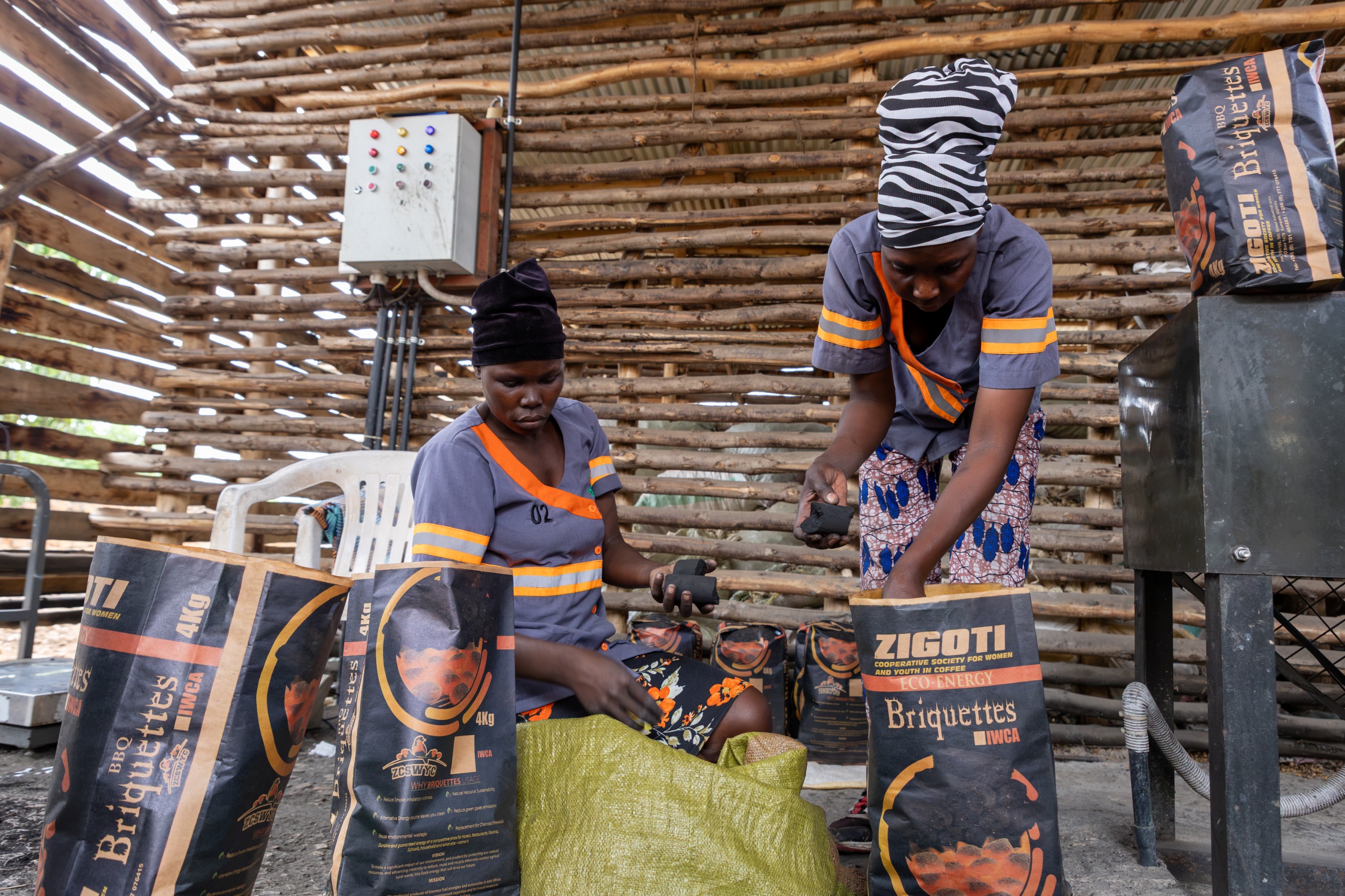
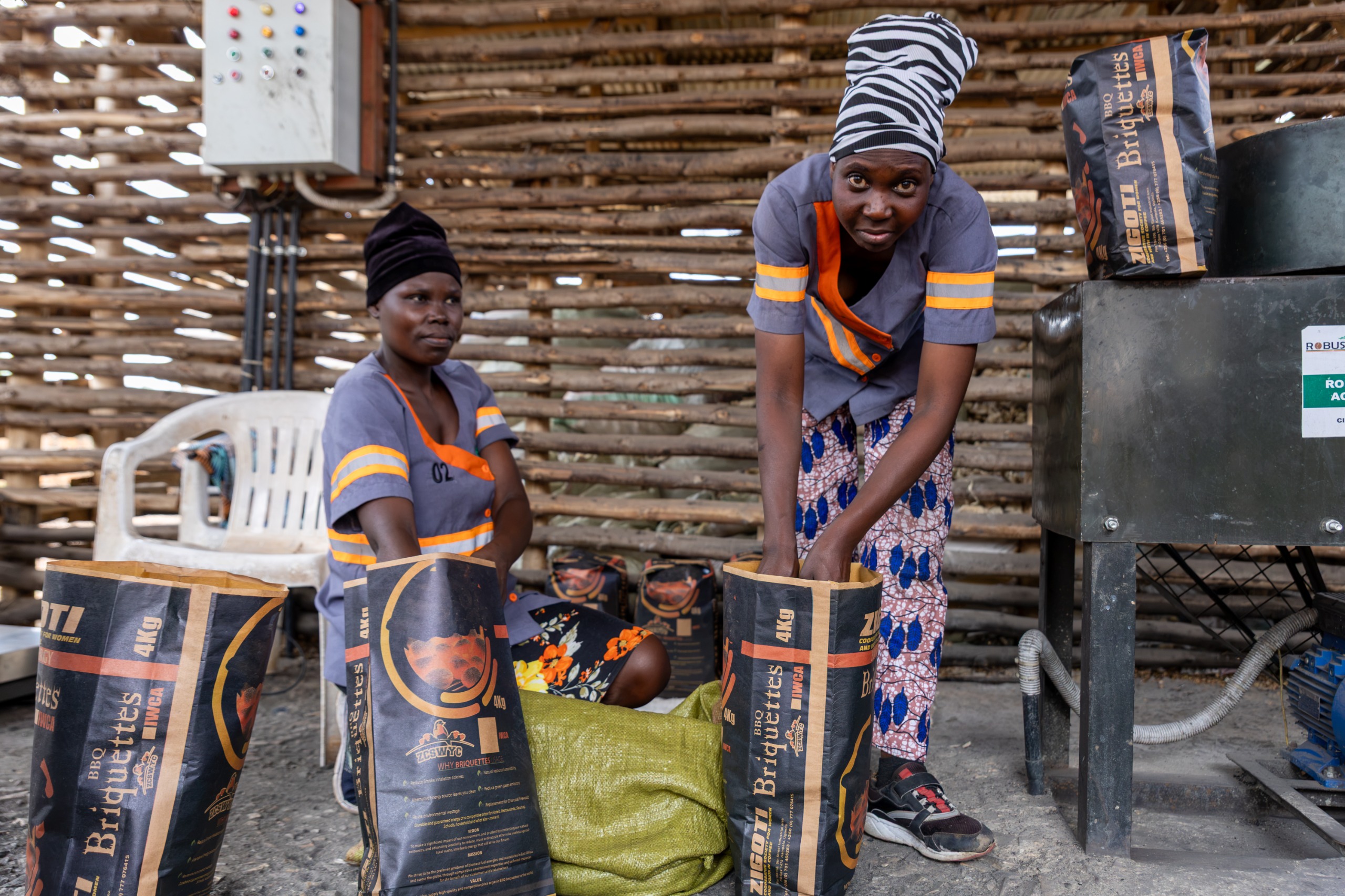
The women have also established a briquette-making business using coffee husks, maize cobs, charcoal dust, cassava flour and other locally available materials.
The briquettes offer households an alternative cooking fuel while creating another revenue stream for members of the SACCO. A four-kilogramme pack currently sells for Shs10,000.
For the women involved, the projects demonstrate how agricultural by-products can generate value long after the coffee harvest is complete.
Building resilience
The SACCO serves another purpose as well.
Members save regularly and can access loans during emergencies or when pursuing small business ventures. For women raising families on modest incomes, the arrangement provides a financial safety net that might otherwise be out of reach.
Financial literacy training from Equity Bank Uganda has strengthened these efforts by equipping members with skills in budgeting, saving and investing.
For women like Nafula and Nakitende, such knowledge is helping transform today’s earnings into tomorrow’s opportunities.
A legacy taking root
At Zigoti, the impact of women’s participation is increasingly visible across generations.
Some women have spent years working on the farm while raising their children. Today, some of those children, having grown up around coffee production, are beginning to participate in the business themselves.
The farm has therefore become more than a source of employment. It has evolved into a place where practical agricultural skills, work ethic and entrepreneurship are passed from one generation to the next.
As the women sort coffee, produce briquettes, manufacture organic fertiliser and grow their savings, they are creating livelihoods that extend far beyond the farm gate.
For Nafula, who arrived in Zigoti searching for a way to support her children, the opportunity began with a job.
For many others, it has become the foundation for something bigger: a future built on work, savings, enterprise and the confidence that new possibilities are within reach.
GOT A HOT STORY? BLOW THE WHISTLE!
Have breaking news, explosive revelations, juicy leads or evidence of wrongdoing?
WE WANT TO HEAR FROM YOU!
Send your tips, documents, videos, photos and audio recordings to:
redpeppertips@gmail.com
Whether it’s corruption, scandals, abuse of office, injustice or stories others are afraid to tell, help us bring the truth to light.
SOURCES ARE PROTECTED.
CONFIDENTIALITY IS OUR NO.1 PRIORITY!
About Post Author