EXPIRED AIDS DRUGS SCANDAL! NMS, India’s Drug Giants Sun Pharma , Distributors Abacus on Spot as Patients at Hoima Hospital Allegedly Swallow Out-of-Date ARVs

KAMPALA – A major health scare has erupted after people living with HIV claimed they were given expired antiretroviral (ARV) drugs at health facilities, with Hoima Regional Referral Hospital at the centre of the controversy.
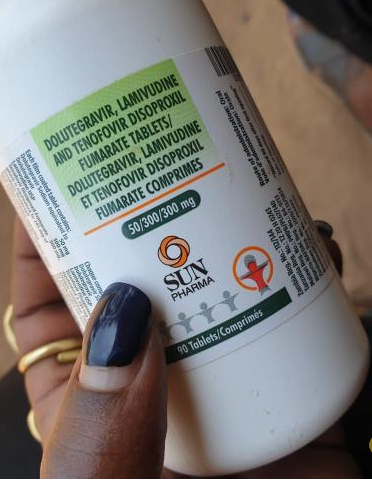
The alleged scandal has also drawn attention to the pharmaceutical supply chain after the affected medicine, Telatri—a once-daily HIV treatment containing Tenofovir, Lamivudine and Dolutegravir (TLD)—was identified as a product manufactured by India’s Sun Pharmaceutical Industries Ltd (Sun Pharma) and distributed in Uganda through Abacus Pharma, one of the country’s leading pharmaceutical distributors.
The alleged incident has also put the spotlight on Uganda’s public health medicine supply chain, particularly the role of the National Medical Stores (NMS), the government agency mandated to procure, store and distribute essential medical supplies to public health facilities.
NMS is responsible for supplying HIV commodities, including antiretroviral medicines (ARVs), HIV testing kits and other related supplies, to government health facilities and accredited HIV treatment centres across the country.
The agency serves as a key link between pharmaceutical manufacturers and health facilities, ensuring that medicines procured by the government reach patients through the approved distribution system.
In the case of the alleged expired ARVs at Hoima Regional Referral Hospital, questions are now emerging over every stage of the supply chain — from procurement and storage to transportation, stock management and final dispensing to patients.
While the affected medicine, Telatri (TLD), is manufactured by India’s Sun Pharmaceutical Industries Ltd and distributed in Uganda through authorised pharmaceutical partners including Abacus Pharma, health authorities are expected to establish at what point the alleged expired stock entered circulation.
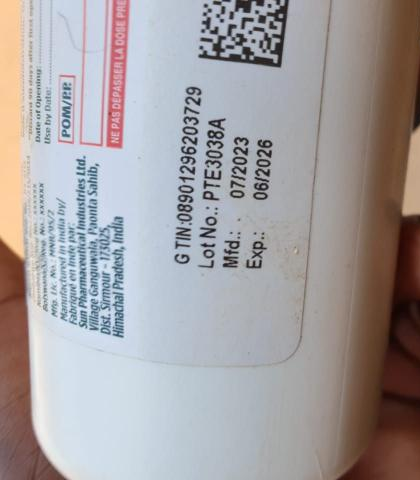
However, there is currently no evidence that either Sun Pharma or Abacus Pharma supplied expired medicines or committed any wrongdoing. The investigation is focused on how medicines alleged to have expired in May 2026 ended up being dispensed to patients.
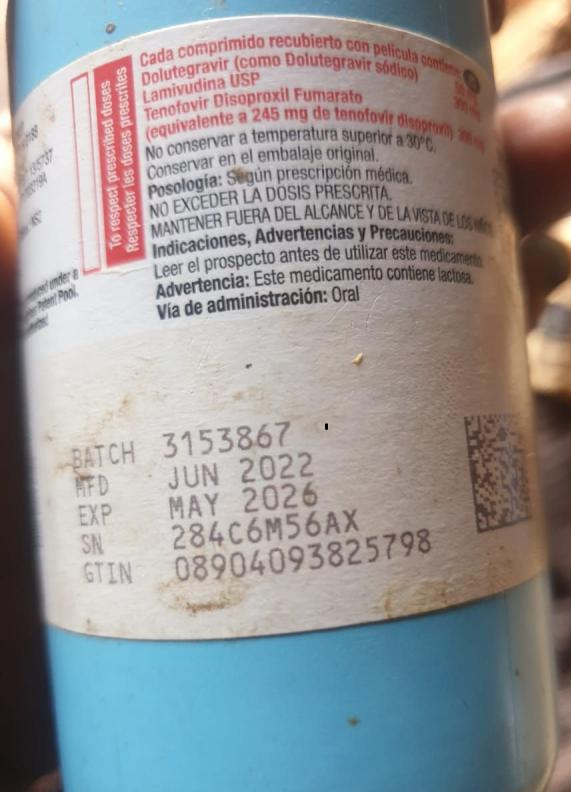
The alarm was raised by Barbara Kemigisa, an HIV activist and coordinator of a peer support network for young people living with HIV, after members collecting her ARV refill from Hoima Regional Referral Hospital returned with a bottle whose label showed the medicine had expired in May this year.
Initially believing it was an isolated mistake, Kemigisa became more concerned when another member of her network reportedly received a similar bottle during a refill collected on July 2.
She also questioned why some patients were receiving medicines repackaged into unmarked sachets instead of the original manufacturer bottles, saying this made it impossible for patients to verify expiry dates or other critical information.
Another patient, Gorretti Nandugga, only discovered she had allegedly been taking expired medicine after journalists examined her bottle.
She and her husband, James Wamani, had unknowingly continued taking the medication despite the expiry date having passed. The couple, who requested that the identity of their health facility remain confidential, collected the drugs in February and are scheduled for viral load testing later this month.
The revelation has sparked anxiety among HIV patients, many of whom now fear they may have unknowingly consumed expired medicines for weeks.
Officials at the Ministry of Health say they had not received reports of expired ARVs being dispensed but promised immediate investigations.
Dr. Robert Mutumba, who heads the Ministry’s STD/AIDS Control Programme, said authorities would verify the allegations while urging patients to always check expiry dates before leaving health facilities.
Meanwhile, the Ministry’s ARV Supply Chain Expert, Ian Nyamitoro, said the official stocks of TLD currently being distributed nationwide carry expiry dates extending into 2027 and 2028, suggesting that the medicines in question should not have expired.
He explained that health facilities are required to routinely identify and remove expired medicines before they reach patients.
Despite those assurances, Kemigisa insists the problem is real and says she has begun personally checking medicine bottles belonging to members of her support network after discovering multiple suspected cases.
She fears many patients who never inspect expiry dates could continue taking expired drugs without knowing.
The controversy comes at a difficult time for Uganda’s HIV response, with funding cuts already affecting community monitoring programmes that previously helped identify treatment problems early.
By press time, Hoima Regional Referral Hospital had not issued a response to the allegations, while the Ministry of Health says investigations are underway to establish whether expired ARVs were indeed dispensed, how they reached patients, and where responsibility lies.
GOT A HOT STORY? LET US KNOW!
Got breaking news, explosive secrets, or hard evidence?
Email us: redpeppertips@gmail.com
We accept tips, documents, videos, photos, and recordings—the more evidence you have, the better.
CONFIDENTIALITY IS OUR TOP PRIORITY. SOURCES ARE ALWAYS PROTECTED!
About Post Author