GGABA TERROR TRIAL! Suspect Denies Killing Four Toddlers As Court Sits In Public ‘Justice Arena’ Amid Legal Storm
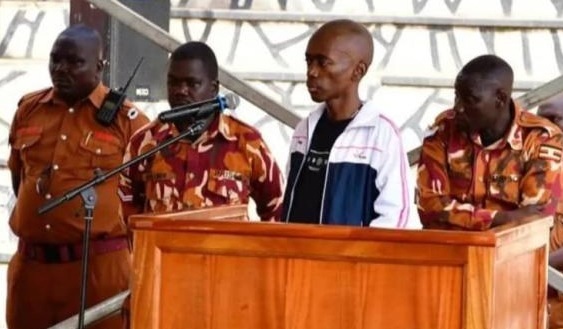
Shock, grief and raw tension gripped the lakeside suburb of Ggaba as 39-year-old Christopher Onyum Okello stood before a packed open court and calmly declared himself “not guilty” to four counts of murder in a case that has shaken the nation to its core.
Okello, accused of the brutal killing of four toddlers at the Ggaba Early Childhood Development Centre, faces charges under Sections 171 and 172 of the Penal Code Act. The prosecution alleges that on April 2, 2026, he acted with malice aforethought and caused the deaths of Eteku Gideon, Keisha Agenrwot, Ryan Odeke, and Ignatius Sseruyange in an attack that has left families devastated and a community traumatized.
The trial, presided over by Alice Komuhangi Khaukha, is already historic. It marks the first-ever Mobile High Court criminal session conducted in Kampala, a bold and controversial move under the newly issued Constitution (Operation of Mobile Courts) (Practice) Directions, 2026, signed by Chief Justice Flavian Zeija.
From the outset, the atmosphere was unlike any ordinary court proceeding. Held at the Ggaba Community Church grounds, the session has been transformed into what many are calling a “justice arena,” complete with giant screens, powerful speakers and a 1,000-seat arrangement to accommodate overwhelming public interest. Crowds gathered early, some seeking justice, others simply trying to comprehend the horror that unfolded in their community.
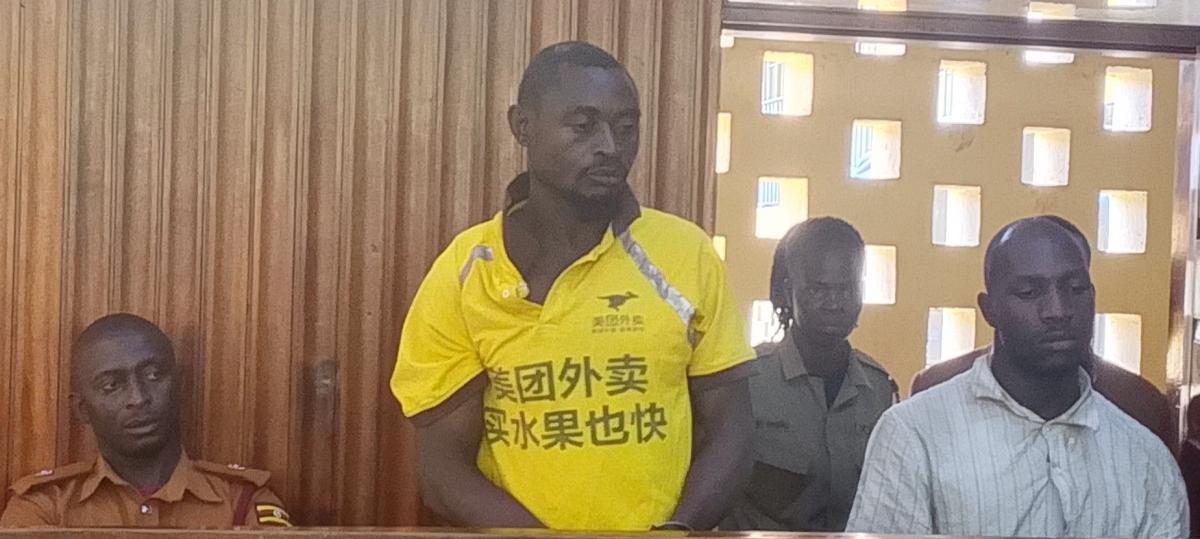
Inside the court, Okello, dressed plainly and flanked by his lawyers Richard Kumbuga and Sarah Awelo, showed little emotion as the charges were read out. When asked to respond, he firmly denied all counts, setting the stage for what is expected to be a gripping and highly contested trial.
Moments later, the prosecution began laying its case, presenting agreed evidence including postmortem reports detailing the injuries suffered by the young victims. The reports point to severe trauma consistent with attacks by a sharp object, believed to be a knife, painting a chilling picture of the final moments of the children.
The Judiciary had earlier gone to great lengths to prepare for the high-profile hearing. Jane Frances Abodo personally inspected the venue to ensure readiness, signaling the seriousness with which authorities are treating the case. Officials say the mobile court initiative is part of a broader transformation agenda aimed at bringing justice closer to the people and making proceedings more accessible.
But even as the public applauds the transparency, a fierce legal storm is brewing behind the scenes.
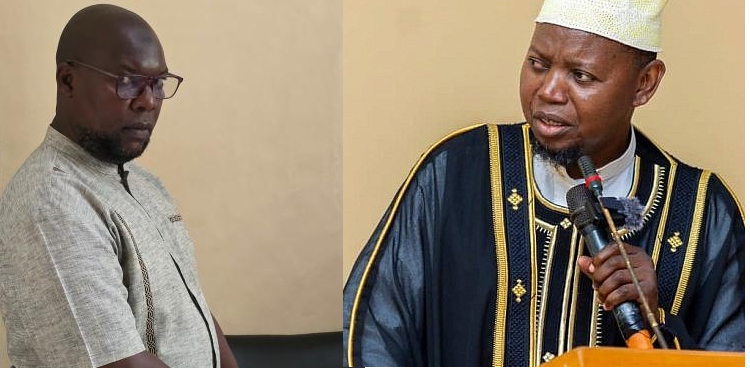
The Uganda Law Society has come out guns blazing, condemning the open court setup in the strongest terms. Its president, Isaac K. Ssemakadde, did not mince words, describing the proceedings as a “judicial lynching rally” and warning that the environment risks turning justice into spectacle.
“This is not public participation; it is the weaponization of public grief to pre-determine guilt,” he said, raising fears that the highly charged atmosphere could undermine the presumption of innocence and potentially trigger a constitutional crisis.
According to the prosecution, Okello was arrested on the same day of the incident after allegedly disguising himself as a parent to gain entry into the daycare centre before carrying out the attack. The brutality of the incident, involving children aged just two and three, has fueled intense public anger and calls for swift justice.
Following his committal to the High Court by Makindye Chief Magistrate Sarah Basemera, the state confirmed that investigations are complete. A mental health assessment has since declared Okello fit to stand trial, dismissing earlier suggestions that he may have been suffering from a mental defect.
Now, as the trial unfolds daily from 9:00 am to 4:00 pm, the nation watches closely—torn between grief, outrage, and the fundamental principle that every accused person is innocent until proven guilty.
For the families of the victims, justice cannot come soon enough. For the legal fraternity, however, the manner in which that justice is delivered may define the future of Uganda’s judicial system.
About Post Author