HUNTER HUNTED! Graduate Trainees, Multibillion NUSAF IV Project Officers Recruitment Storm Rocks IGG … Old Staff Cry Foul Over Alleged Backdoor Recruitment As Career Growth Stalls
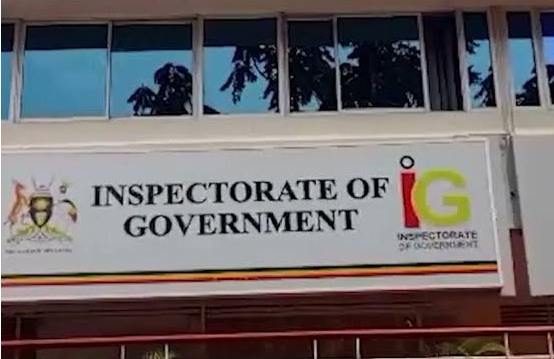
KAMPALA — The Inspectorate of Government (IGG), an institution constitutionally mandated to fight corruption, enforce accountability and promote integrity in public offices, is facing an internal recruitment storm, with disgruntled staff questioning the transparency of recruitment and deployment processes involving graduate trainees and a multibillion-shilling government project.
The controversy, according to three knowledgeable sources who have spoken to Red Pepper, centres on the alleged irregular entry and subsequent absorption of graduate trainees into the Inspectorate, as well as the recruitment of 16 officers reportedly earmarked for deployment under the Fourth Northern Uganda Social Action Fund (NUSAF IV).
The allegations have triggered questions about fairness, internal career progression and whether the anti-corruption watchdog is practising the very transparency and accountability standards it demands of other government institutions.
GRADUATE TRAINEES SAGA
The first storm reportedly erupted last year when IGG employees were surprised by the sudden appearance of a group of graduate trainees at the Inspectorate’s offices.
Sources familiar with the developments told Red Pepper that approximately 30 graduate trainees reportedly found their way into different departments without any publicly advertised recruitment exercise.
Their sudden presence reportedly left some established employees wondering how the newcomers had been selected, who had authorised their entry and what criteria had been used.
According to insiders, the trainees were initially earning approximately Shs700,000 monthly, with their engagements reportedly running in six-month spells before being renewed for another six months.
The biggest question among some employees, however, was how the trainees had been recruited in the first place, given that they had not seen an external advertisement inviting interested graduates to apply.
The situation reportedly became even more contentious when, after the two six-month engagement periods, an internal recruitment advertisement emerged, with the trainees allegedly among those targeted for permanent recruitment as Inspectorate officers.
Some employees questioned whether the process offered a genuinely competitive opportunity or effectively created a pathway for individuals whose initial entry into the institution had never been publicly explained.
Sources further alleged that some of the trainees had connections to senior officials, including through family, friendship and other personal relationships. These allegations have not been independently established.
The trainees are now reportedly transitioning into substantive IGG positions, with insiders claiming that some have secured permanent employment and associated salary packages.
For long-serving employees who have waited for opportunities to advance their careers, the developments have reportedly caused considerable frustration.
NUSAF IV JOBS STORM!
But just when some employees thought the graduate trainees controversy could not get any bigger, another recruitment storm reportedly emerged around NUSAF IV.
The Fourth Northern Uganda Social Action Fund is a major World Bank-supported government intervention managed through the Office of the Prime Minister (OPM), with implementation structures involving the Uganda Development Response to Displacement Impacts Project (DRDIP II).
The multibillion-shilling programme, valued at approximately US$276 million (nearly Shs1 trillion), is expected to run through 2031, supporting development interventions across nine sub-regions.
The Inspectorate of Government has an oversight responsibility under the Strengthening Transparency, Accountability and Anti-Corruption (STAAC/TAAC) component, which is intended to strengthen accountability, monitor implementation and prevent corruption and diversion of project resources.
The Inspectorate’s involvement in NUSAF programmes dates back to earlier phases, following concerns about corruption and accountability failures experienced during NUSAF I.
Sources say IGG personnel have historically been stationed on the projects to provide oversight, with the Inspectorate also undertaking supervisory responsibilities under DRDIP over the past five years.
With the first phase now completed and the next phase approaching implementation, the deployment of project officers has become another source of discontent within the institution.
Insiders claim that 16 officers have allegedly been recruited for the NUSAF IV-related assignments without what they describe as a transparent and properly communicated internal recruitment process.
The disgruntled employees argue that such positions should ordinarily be filled through established internal recruitment procedures, giving qualified serving officers an opportunity to express interest before external recruitment is considered.
They question why existing employees, some of whom have spent years serving the Inspectorate and hoped to advance their careers through project deployments, are allegedly being sidelined in favour of new entrants.
“Where is transparency and accountability if the same institution that is supposed to fight corruption cannot demonstrate those principles in its own recruitment processes?” one insider wondered.
The employees say project deployments offer opportunities for professional exposure, career advancement and improved remuneration, making the alleged recruitment arrangements particularly sensitive.
They fear that if the allegations are not addressed, experienced officers could continue watching opportunities go to people from outside their established ranks.
The developments are reportedly unfolding under the leadership of Inspector General of Government Lady Justice and her deputies— Dr. Patricia Achan Okiria and Anne Twinomugisha Muhairwe.
The Human Resource department has also come under scrutiny, with insiders questioning why employees have allegedly not received clear explanations about the graduate trainees’ recruitment, subsequent absorption and the reported NUSAF IV appointments.
Some employees reportedly feel that their concerns have been ignored, leaving unanswered questions about the criteria used to select the trainees and officers for the different assignments.
The controversy has also raised broader questions about internal human resource management, equal opportunities and whether serving employees are being given a fair chance to compete for available positions.
For an institution whose mandate includes investigating illegal recruitment, abuse of office, corruption and irregularities in public service, the allegations present an uncomfortable test of its own administrative standards.
The central question is whether the Inspectorate can demonstrate internally the transparency, fairness and accountability it expects from ministries, departments and government agencies under its watch.
Red Pepper could not independently establish the circumstances under which the alleged 30 graduate trainees initially entered the institution, the full details of their subsequent recruitment or the identities and selection criteria of the 16 officers reportedly earmarked for NUSAF IV assignments.
The big question: Who watches the watchdog when recruitment transparency itself becomes the subject of complaints?
The IGG has been contacted for a comment.
GOT A HOT STORY? BLOW THE WHISTLE!
Have breaking news, explosive revelations, juicy leads or evidence of wrongdoing?
WE WANT TO HEAR FROM YOU!
Send your tips, documents, videos, photos and audio recordings to:
redpeppertips@gmail.com
Whether it’s corruption, scandals, abuse of office, injustice or stories others are afraid to tell, help us bring the truth to light.
SOURCES ARE PROTECTED.
CONFIDENTIALITY IS OUR NO.1 PRIORITY!
About Post Author