NAKIVUBO CHANNEL SAGA! Police Report Exposes Four Men Convicted Over Demolition Without KCCA Permit
By Our Reporter
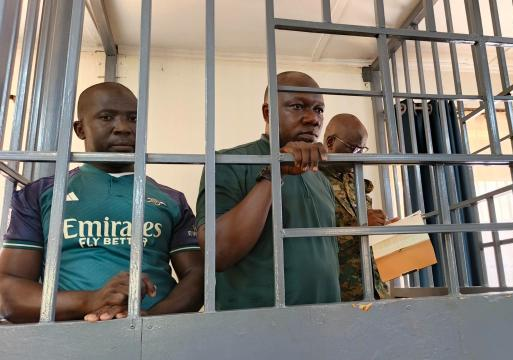
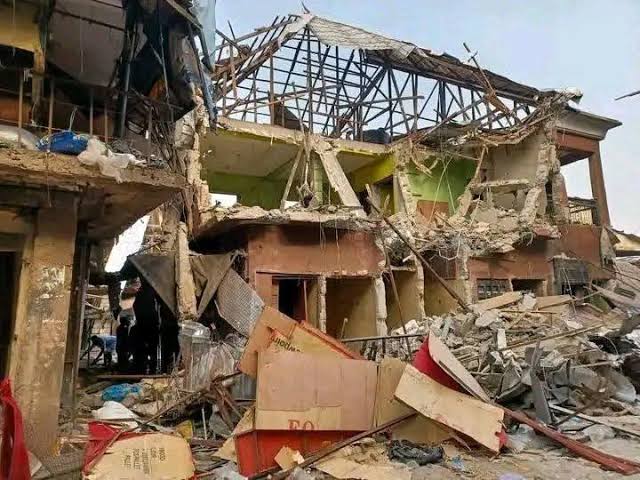
KAMPALA — A police investigation report has shed new light on the controversial demolition of buildings along Nakivubo Channel, revealing how four men were arrested, charged and convicted over malicious damage to property and conducting building operations without a valid permit from Kampala Capital City Authority (KCCA).
The revelations have reignited questions about the circumstances surrounding the redevelopment of Nakivubo Channel, the competing claims over land occupied by traders and the accountability of those involved in the controversial operation.
The controversy dates back to last year, when President Yoweri Kaguta Museveni asked KCCA to examine issues surrounding Kampala businessman Hamis Kigundu’s redevelopment of a section of Nakivubo Channel, a drainage system stretching approximately nine kilometres.
While the initial public debate largely focused on the drainage channel and its redevelopment, subsequent developments have raised concerns over alleged encroachment on land associated with St Balikudembe Market, commonly known as Owino Market, which is government-owned and managed by KCCA.
According to a police report dated October 7, 2026, the four men identified as Mayanja Hamza, Ssekiddu Joseph Emillam, Kabuye Regean and Sande Robert Kanjako were arrested following investigations into the demolition of buildings and alleged theft of property in Kampala Central Division during the night of March 7–8, 2026.
The report, seen by RedPepper, indicates that police responded to distress calls, documented the scene, recorded statements from complainants and witnesses, and recovered two excavators suspected to have been used in the demolition.
Investigators also recorded statements from the area chairperson, the Nakivubo Channel Redevelopment Project site manager and KCCA technical staff as they sought to establish the circumstances surrounding the incident.
KCCA DENIES ISSUING DEMOLITION PERMIT
The investigation took a significant turn when the case file was submitted to the Resident State Attorney (RSA) on March 9, 2026, for legal guidance.
According to the report, the prosecutor noted that the dispute involved competing land ownership claims between traders’ associations and Ham Enterprises, the company associated with Kigundu.
However, KCCA reportedly clarified that it had not issued any person or entity a permit to undertake building operations, including demolition, in the disputed area.
Following the prosecutor’s guidance, the four suspects were charged with three offences: malicious damage to property belonging to Moses Namatiti Kasajja; malicious damage to property belonging to St Balikudembe Market Stalls, Space and Lockup Shops Owners Association Limited (SSLOA); and carrying out building operations without a valid building permit.
The malicious damage charges were brought under Section 312(1) of the Penal Code Act, Cap. 128, while the charge relating to unauthorised building operations was preferred under Section 33(1) and (2) of the Building Control Act, Cap. 136.
The accused appeared before the Chief Magistrate’s Court at Buganda Road on March 11, 2026, and initially denied all three charges.
However, on March 18, they changed their pleas to guilty and were convicted on all counts, according to the police report.
The court imposed fines on the first two counts, with six months’ imprisonment in default of payment. On the third count, relating to building operations without a valid permit, the accused were cautioned.
The convictions have brought renewed attention to the legality of the demolition and the regulatory oversight of redevelopment activities around Nakivubo Channel.

WHO ORDERED THE DEMOLITION?
Despite detailing the investigation, arrests, charges and convictions, the police report does not establish who ordered the demolition or resolve the underlying land ownership dispute involving the traders’ associations and Ham Enterprises.
The report was issued at the request of Kityo and Co. Advocates, who represent Kasajja, following payment under payment reference number 2270003319736.
The findings raise questions about how the demolition proceeded without a valid building permit, as reportedly confirmed by KCCA, and whether all individuals who may have played a role in the operation have been held accountable.
The circumstances surrounding the demolition have also raised concerns about the protection of traders’ property and the loss of workplaces as redevelopment projects continue to reshape parts of central Kampala.
DEATH CLAIMS AND QUESTIONS OVER ACCOUNTABILITY
Separately, allegations have emerged that a man identified as Richard Lukyamuzi died during the demolition-related events.
Sources familiar with the matter allege that his relatives encountered difficulties in pursuing a case concerning his death. RedPepper has also received claims that his body took nearly two weeks to be released for burial.
The circumstances surrounding Lukyamuzi’s alleged death, the cause of death and the reported delay in releasing his body require independent verification. The available police report does not establish these claims or link the four convictions to the alleged death.
The allegations nevertheless raise further questions about whether the incident was fully investigated and whether the family obtained answers regarding the circumstances of his death.
FRESH CONCERNS OVER GOVERNMENT LAND
Meanwhile, redevelopment activities around Nakivubo Channel are reportedly continuing, with fresh concerns emerging over other public land in the city.
Information obtained by RedPepper alleges that another Kampala businessman, Tom Kitandwe, has taken over part of the land occupied by Nakivubo Settlement Government Primary School.
Sources further allege that private business arrangements may have been reached between Kitandwe and Kiggundu in connection with developments in the area. However, the nature of any such arrangements, the ownership status of the affected land and the circumstances of the alleged takeover remain to be independently established.
The claims raise questions about the protection of public land, the role of KCCA in safeguarding government property and the approvals, if any, granted for developments affecting public institutions.

MORE QUESTIONS THAN ANSWERS
The latest revelations have intensified calls for clarity on the Nakivubo redevelopment, particularly regarding the demolition of traders’ premises, the alleged absence of a valid permit and the extent to which the authorities have investigated the actions of all those involved.
Questions also remain over whether the affected traders have received compensation, how the competing land claims will be resolved and what measures are being taken to prevent further disputes.
Kigundu’s role in the redevelopment, the reported concerns over the school land and the allegations surrounding Lukyamuzi’s death remain matters requiring further evidence and responses from the relevant authorities and individuals named.
As the redevelopment proceeds, the central question remains whether the project is being implemented within the law and with adequate protection for traders, public institutions and the property rights of affected individuals.
This publication will continue seeking responses from KCCA, Uganda Police, the relevant land authorities, Ham Enterprises, Kigundu and Kitandwe regarding the allegations and outstanding questions.
GOT A HOT STORY? LET US KNOW!
Got breaking news, explosive secrets, or hard evidence?
Email us: redpeppertips@gmail.com
We accept tips, documents, videos, photos, and recordings—the more evidence you have, the better.
CONFIDENTIALITY IS OUR TOP PRIORITY. SOURCES ARE ALWAYS PROTECTED!
About Post Author