OBOTH TAKES ON MUST FUNDING CRISIS! Speaker Pledges Parliament Support As University Unveils Sh180.8bn Development Plan
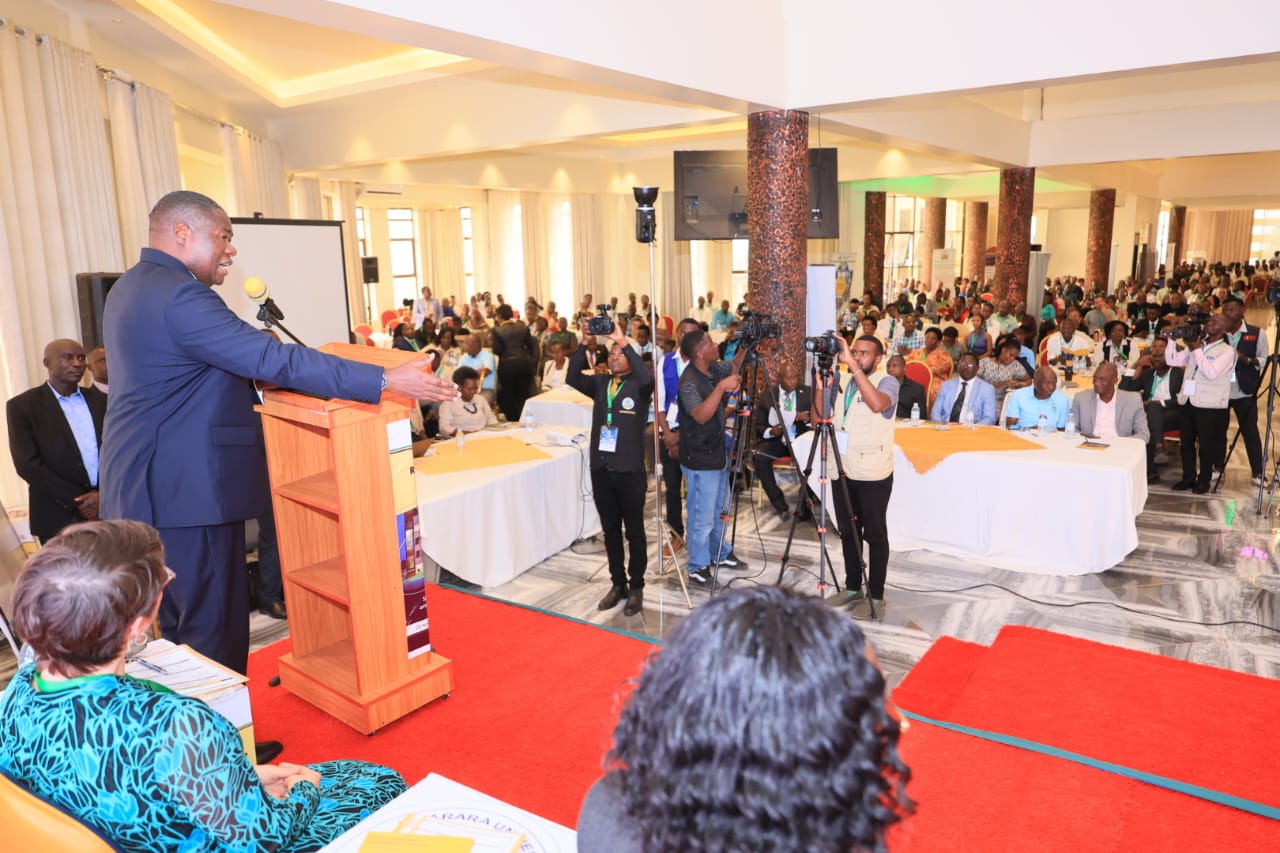
Speaker of Parliament Rt. Hon. Jacob Marksons Oboth has pledged Parliament’s support for Mbarara University of Science and Technology (MUST), particularly in infrastructure development and scientific research aimed at addressing Uganda’s healthcare challenges.
The Speaker made the pledge during his maiden visit to the university Friday , 20th November where he was Chief Guest at the 21st Annual Research Dissemination Conference and launched three milestones for the institution.
The Speaker began the day with a tour of the proposed College of Health Sciences at MUST’s city campus. He was accompanied by Members of Parliament from various committees and university officials.
The college will comprise six blocks housing the Schools of Nursing, Medicine, Dentistry, Biomedical Sciences and Medical Laboratory Sciences, among other units. The first phase is expected to cost about Shs96.7 billion and take approximately three years to complete.
Engineers on the project appealed to the Speaker to engage Parliament to prioritise funding for the university. Timely financial support, they said, could cut the completion period from three to two years.
Speaker Oboth commended MUST for its contribution to research, innovation and the country’s health sector, and pledged Parliament’s financial support and guidance.
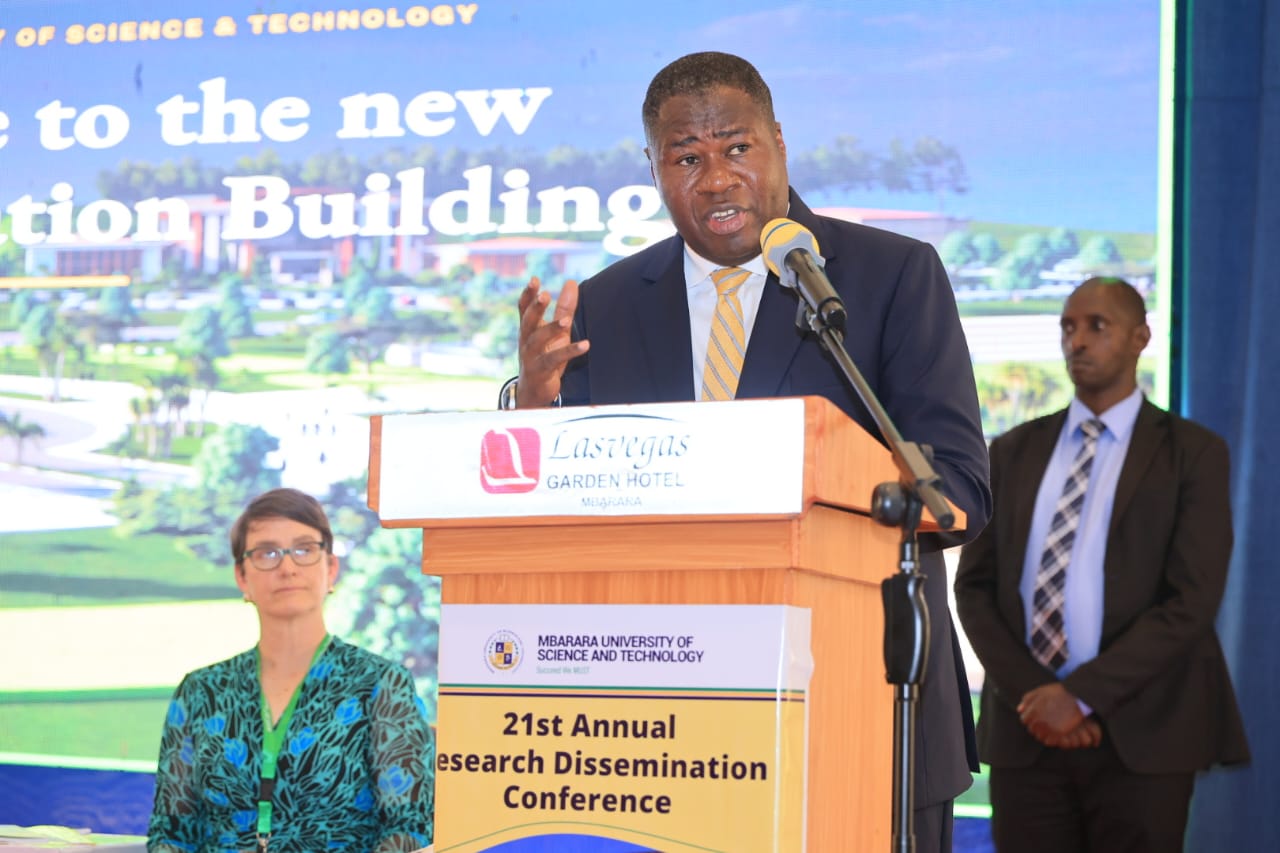
“We want to pledge our commitment as Parliament to support not just Mbarara University of Science and Technology, but the training institutions and, more so, research. We want research to inform the decisions that we make in this country,” he said.
The Vice Chancellor, Prof. Pauline Byakika-Kibwika, thanked the government for its support but called for a larger budget allocation. External research grants are valuable, she said, but cannot replace national investment in research infrastructure, early-career scientists and priority programmes, and their agendas sometimes differ from local priorities.
The Chairperson of the Committee on Science and Technology, Hon. Dr. Simon Acuti Opio, commended MUST for innovations such as renewable briquettes made from waste.
He noted that many such innovations remain stuck in the laboratory, and assured the university of the committee’s backing.
“I can assure you, as the Committee on Science and Technology, we shall fund. It might not be at one go, but in bits,” he said.
At Las Vegas Garden Hotel, Prof. Byakika-Kibwika welcomed the Speaker to the conference. This year’s edition followed a mentors’ workshop and the university’s 11th PhD Symposium.
She challenged every researcher to ask three questions of their work: Who will benefit? What problem will it solve? And what must happen next for it to have impact?
She announced that MUST had entered the Times Higher Education World University Rankings for the first time, placing in the 1,601–1,800 band.
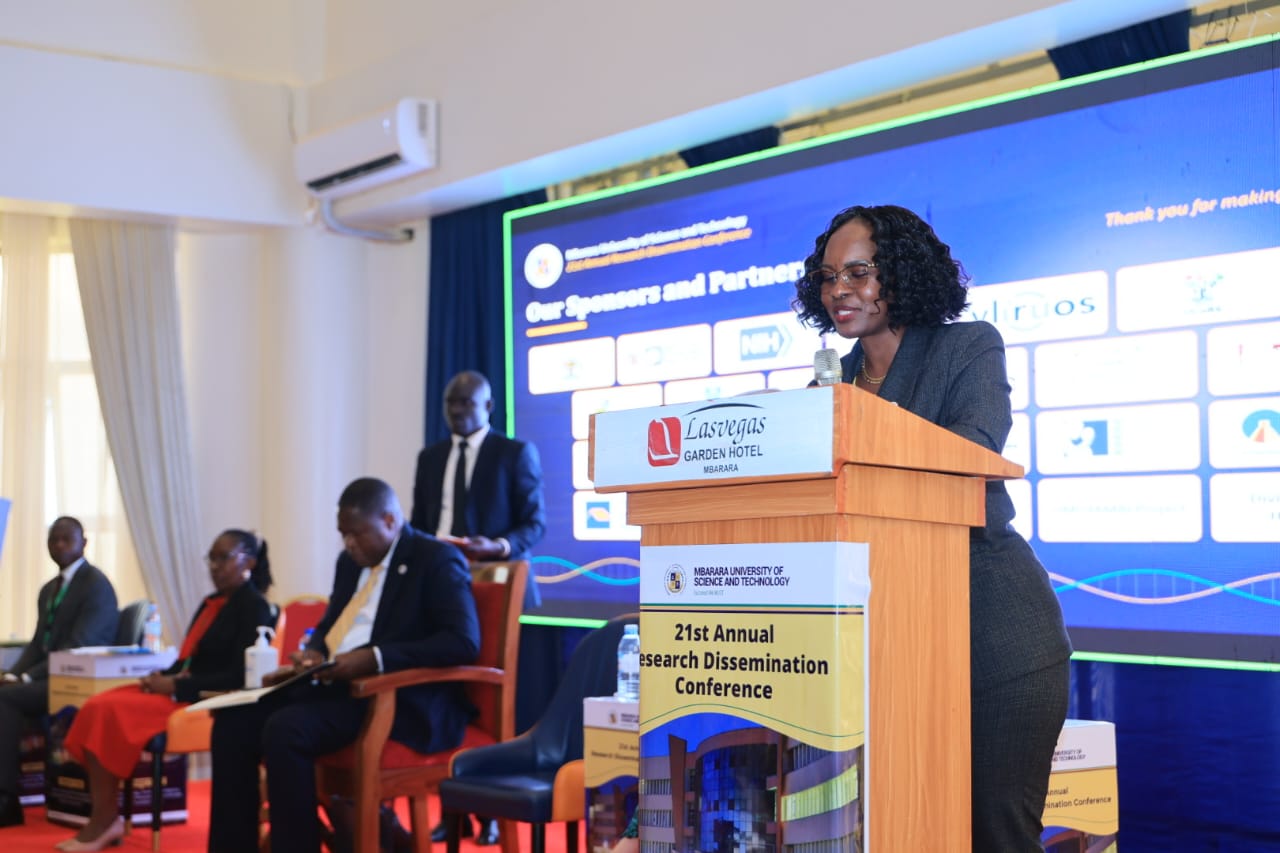
She also outlined the university’s preparations to introduce competence-based education in the 2027/28 academic year, which will require equipped laboratories, qualified staff and workplace placements.
The Vice Chancellor appealed for additional wage funding, noting that the university’s staffing stands at about 31% of its approved establishment and academic staffing at only 25%. She asked the Speaker to champion the university’s priorities through Parliament’s planning and budget processes.
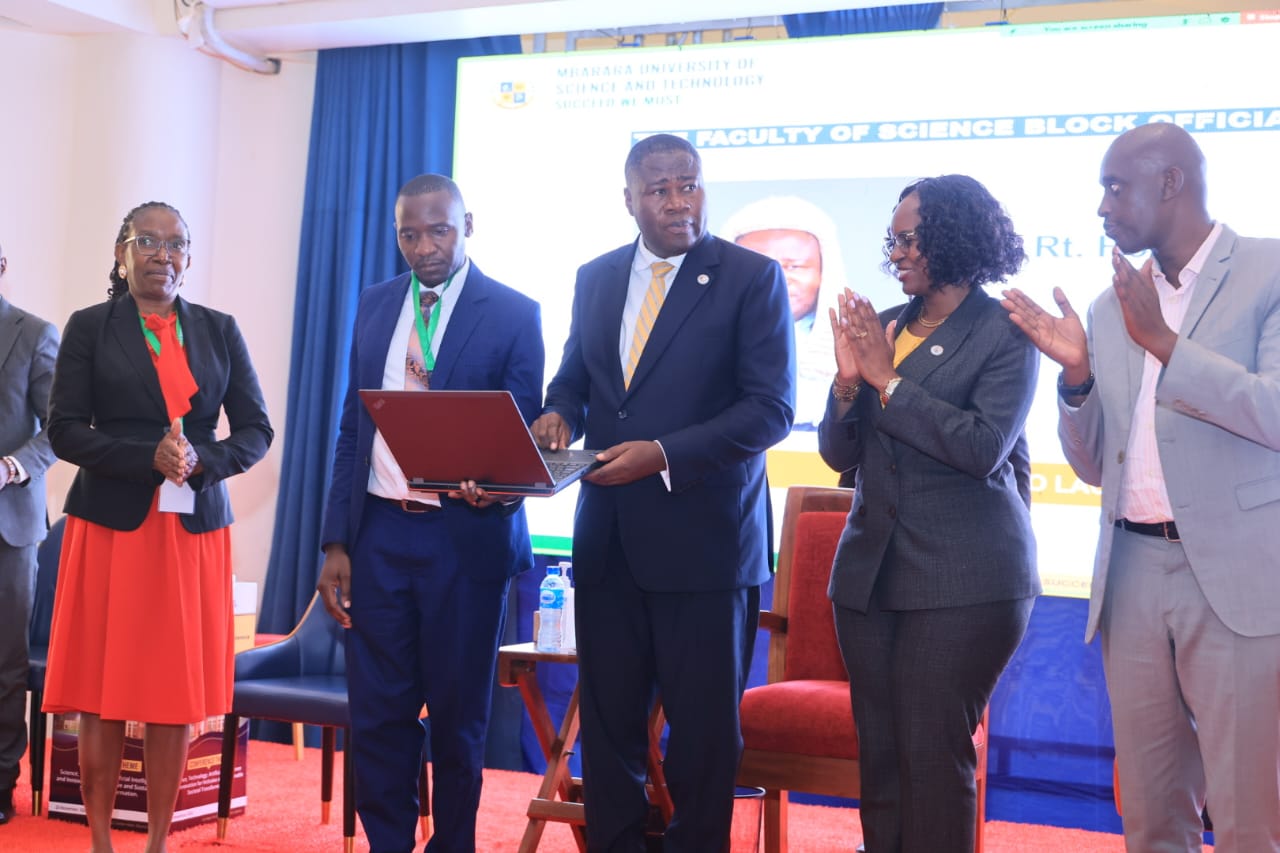
At the Vice Chancellor’s invitation, Speaker Oboth officially launched the MUST Strategic Plan 2025–2030 and the University Master Plan. He also unveiled the proposed Faculty of Science and Administration Blocks, whose construction the university hopes to begin this financial year.
The wider master plan is estimated at about Shs180.8 billion. It was designed by the National Housing and Construction Company and is being implemented by the National Enterprise Corporation.
In his address, the Speaker called for a shift in how Uganda values research.
“We must begin to appreciate research not by the papers presented or publications produced, but by the problems solved. The real harvest of research is its impact,” he said.
Drawing on the parable of the sower, he likened research to seed that must fall on good soil to bear fruit. He proposed a framework through which university research would directly inform Parliament’s legislative agenda, using Parliament’s Research Department and the re-established Institute of Parliamentary Studies.
“If MUST is willing to champion the initiative, let us begin here. And I can assure you, Parliament will be knee-deep in this effort,” he said. He also pledged that Parliament would sponsor the university’s next research dissemination conference.
“Let the seed find good soil. For ultimately, the value of knowledge lies not in knowing more, but in doing better with what we know,” he said, before declaring the conference open.
The keynote address was delivered by Dr. Lynn T. Matthews, MD, MPH, on how advances in science, technology and artificial intelligence can deliver inclusive health outcomes.
The Speaker also toured the research and innovation exhibition, where innovators explained their solutions to community challenges.
GOT A HOT STORY? BLOW THE WHISTLE!
Have breaking news, explosive revelations, juicy leads or evidence of wrongdoing?
WE WANT TO HEAR FROM YOU!
Send your tips, documents, videos, photos and audio recordings to:
redpeppertips@gmail.com
Whether it’s corruption, scandals, abuse of office, injustice or stories others are afraid to tell, help us bring the truth to light.
SOURCES ARE PROTECTED.
CONFIDENTIALITY IS OUR NO.1 PRIORITY!
About Post Author