RED PEPPER EXCLUSIVE! ENTEBBE AIRPORT MESS REPORT (PART 1): KENYA AIRWAYS CREW PREVENTS ENTEBBE LANDING DISASTER… Pilots Spot 120 Lights Designed to Guide Pilots Into Runway 17 Switched Off, Alert Control Tower As Critical Airport Safety System Goes Dark For Hours
KAMPALA — A Kenya Airways aircraft crew may have averted a potentially dangerous landing incident at Entebbe International Airport after alerting the Control Tower that critical approach lights guiding aircraft into Runway 17 were not working, RedPepper has learnt.
The shocking incident, which exposed vulnerabilities in the management and protection of critical airport infrastructure, occurred in the early morning hours of September 16, 2026, when the crew of a Kenya Airways aircraft noticed that the Approach 17 lighting system was not operational while landing.
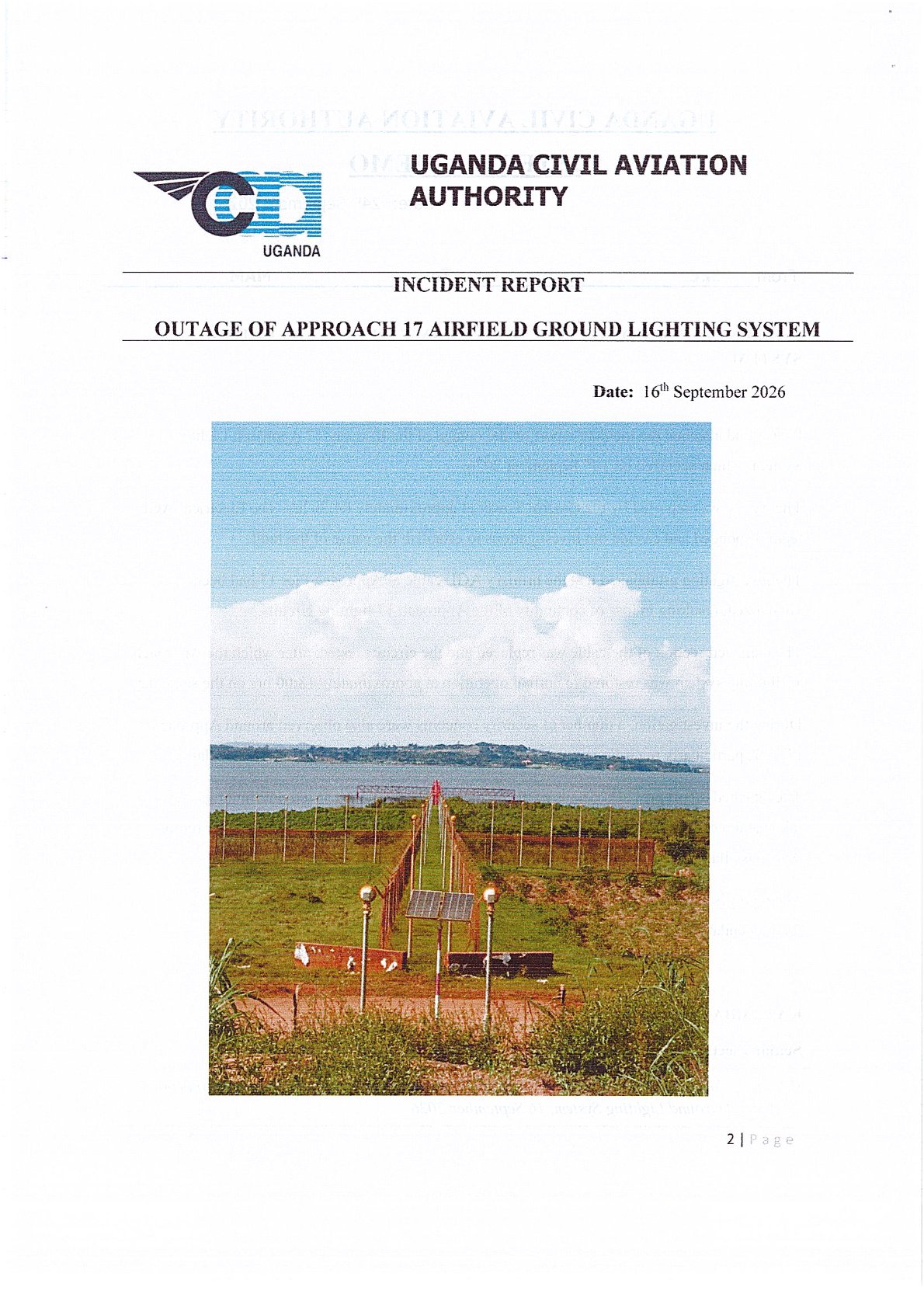
According to an internal Uganda Civil Aviation Authority (UCAA) incident report dated September 16, 2026 and reviewed by RedPepper, the aircraft crew detected the outage and alerted the Control Tower at approximately 04:20am.
The report, titled Outage of Approach 17 Airfield Ground Lighting System, reveals that the electrical installation had been knocked out after unknown individuals vandalised and cut the primary power cable supplying the lights.
The incident raises serious questions about how thieves accessed and tampered with such a critical aviation safety installation, leaving pilots without an important visual aid during landing operations.
WHAT THE LIGHTS DO
The Approach 17 lighting system is not ordinary airport lighting. It is a critical aviation safety installation designed to guide pilots during the final stages of landing.
According to the UCAA report, the installation consists of 120 lights extending approximately 900 metres before the beginning of Runway 17.
The lights form part of the Airfield Ground Lighting (AGL) system and serve aircraft operating under Category I (CAT I) precision approach landing criteria.
Their purpose is to provide pilots with visual guidance as an aircraft approaches the runway, helping them align the aircraft with the runway centreline and maintain the correct wing-level position.
In simple terms, the lights help pilots establish the correct direction and orientation as they prepare to touch down.
They also provide visual information about the remaining distance to the runway threshold, while confirming to the pilots that the runway is ahead.
Without these lights, pilots lose an important visual reference during the approach and landing phase, making an already critical stage of flight more challenging.
It was this vital installation that went dark at Entebbe, with the Kenya Airways crew being the first to alert airport authorities to the problem.
470 METRES OF CABLE CUT!
The internal report indicates that the electrical team initially received information from the Control Tower at approximately 04:20am that the Approach 17 lights were not operational.
Electrical Technician Ogaria Moses, who was stationed at the Threshold Building, received the Control Tower’s call reporting the outage.
At the same time, Senior Electrical Technician Denis Musoke, the shift leader, and Senior Electrical Technician Joel Kabanda, who were at the Electrical Centre SCADA room, became aware of the problem and proceeded to investigate.
Their first attempts to restore the lighting system proved unsuccessful.
Both Constant Current Regulators (CCRs), which supply electricity to the Approach 17 lighting circuits, had tripped and were displaying an “Open Circuit” alarm.
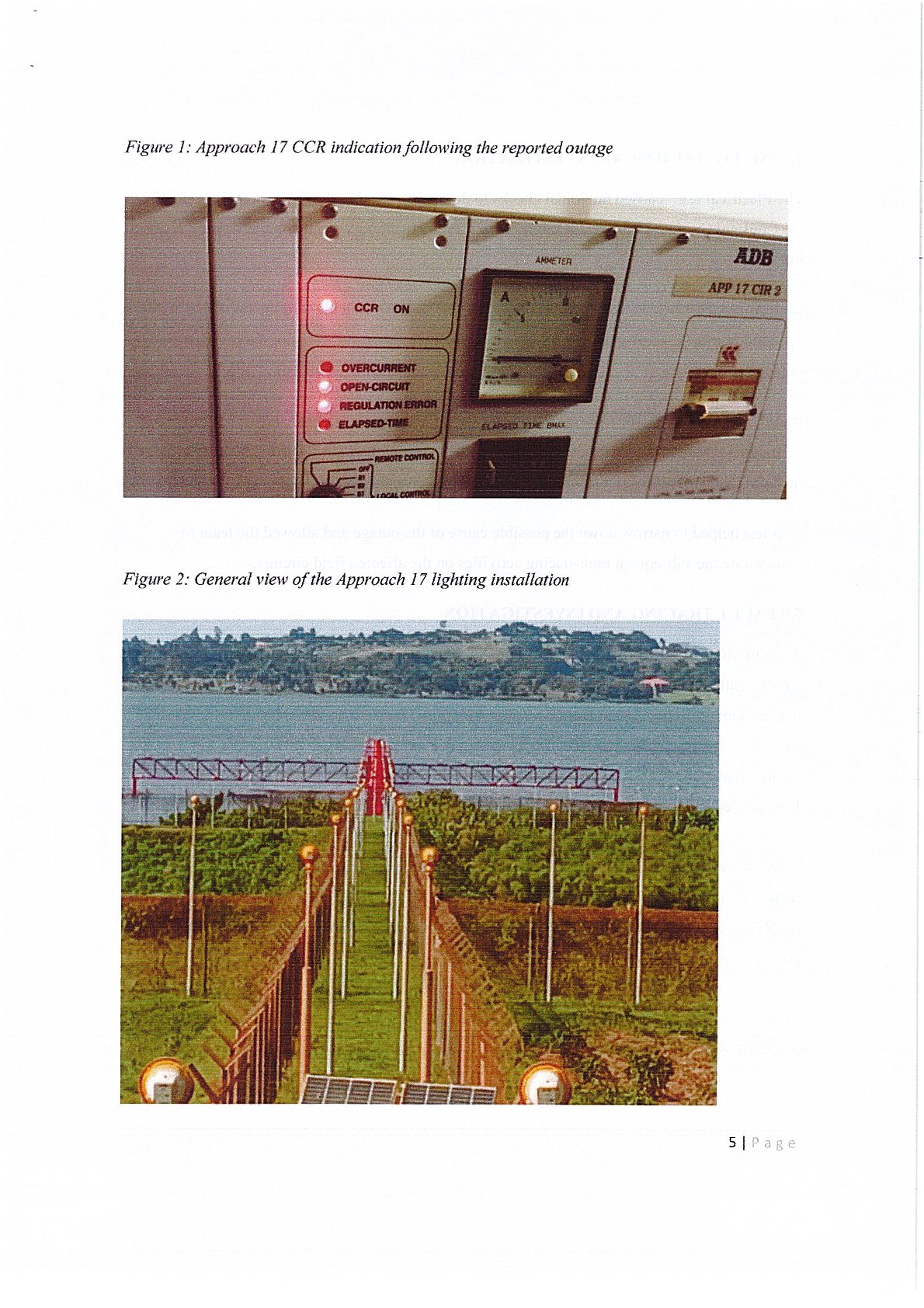
The team initially had to establish whether the problem was caused by faulty regulators or damage to the electrical cables supplying the lights.
They tested both regulators using a dummy load and established that they were functioning normally.
This pointed to a problem outside the regulators, prompting the engineers to investigate the underground electrical cables, manholes and connections along the approach lighting route.
At approximately 6:05am, additional Airfield Ground Lighting (AGL) personnel, including Joseph Wasswa and John Wasswa, joined the investigation.
The team inspected the manholes within the Runway 17 Runway End Safety Area (RESA) before extending the search towards Approach Pier 17.
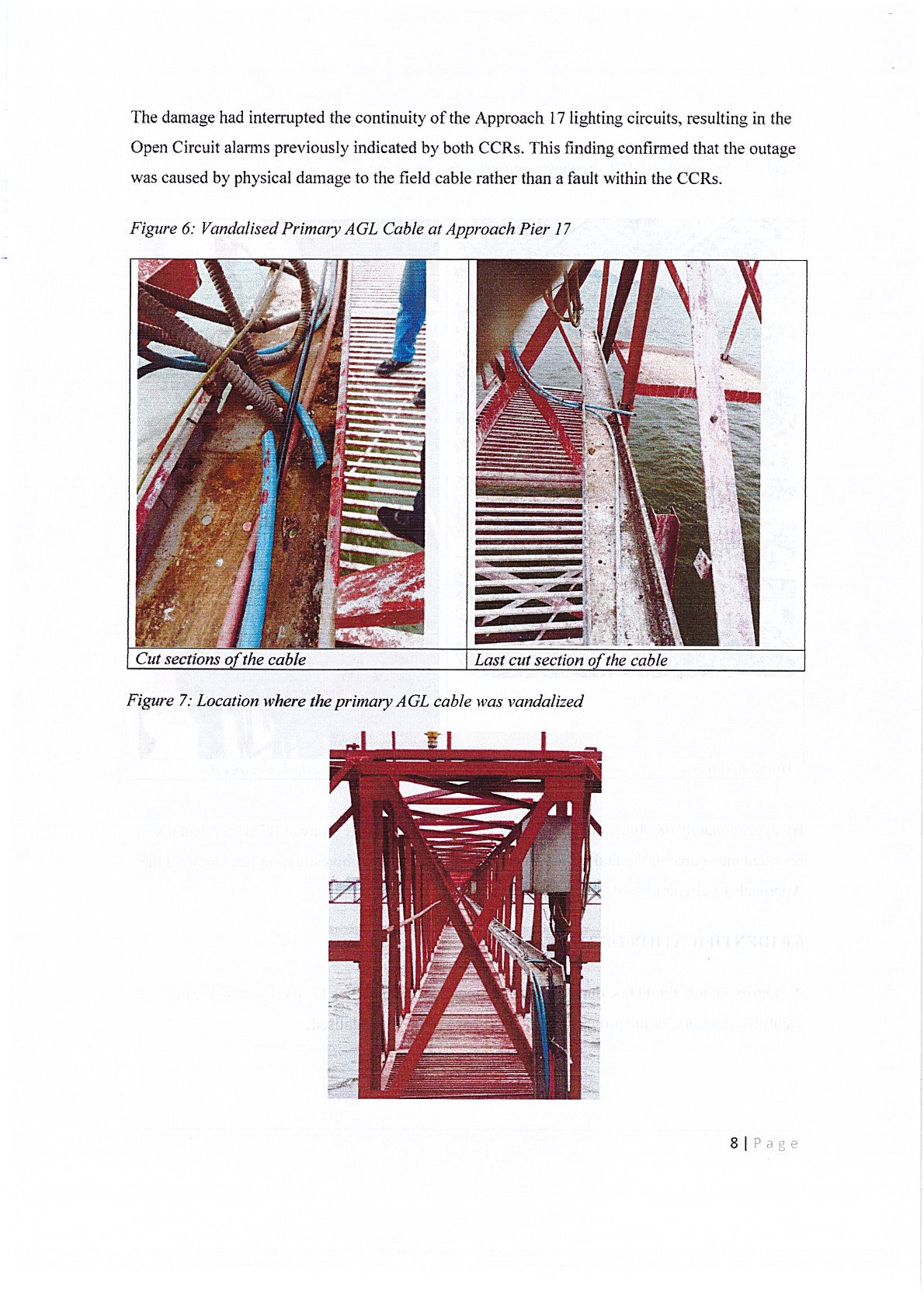
At approximately 9:00am, the engineers discovered a section of the primary AGL cable that had been vandalised at Approach Pier 17.
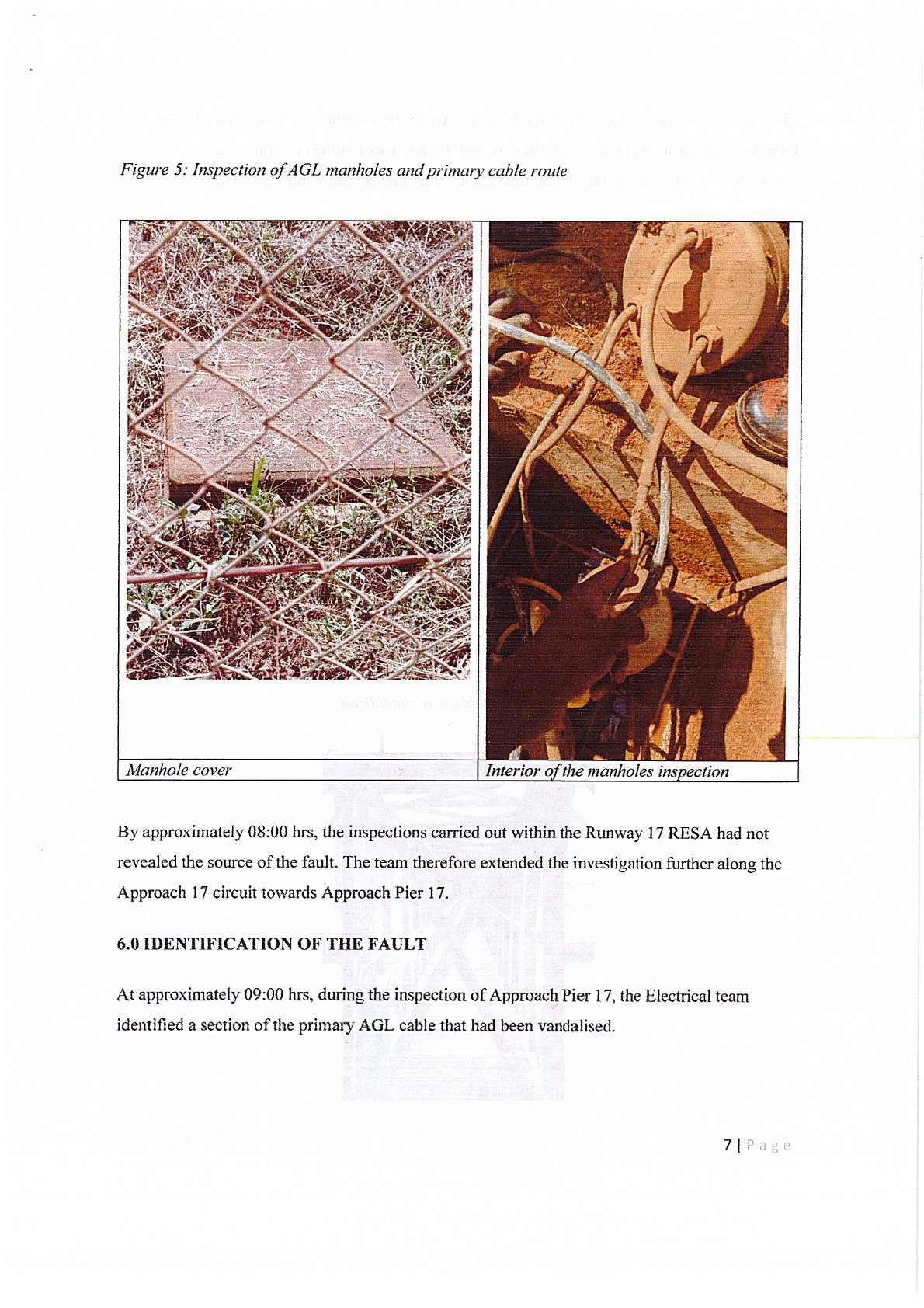
The damage had interrupted electrical continuity, causing the two regulators to trip and consequently knocking out the entire Approach 17 lighting system.
Minutes of a joint security meeting held at UCAA headquarters on September 16 indicate that the stolen cable was estimated at approximately 470 metres, comprising two sections measuring 250 metres and 220 metres.
The cable theft was confirmed by the electrical team during its investigation.
LIGHTS REMAINED OFF UNTIL EVENING
Despite the discovery of the damaged cable in the morning, the lighting system was not restored immediately.
The incident report indicates that the damaged section of the primary cable was replaced, after which the electrical circuits were tested.
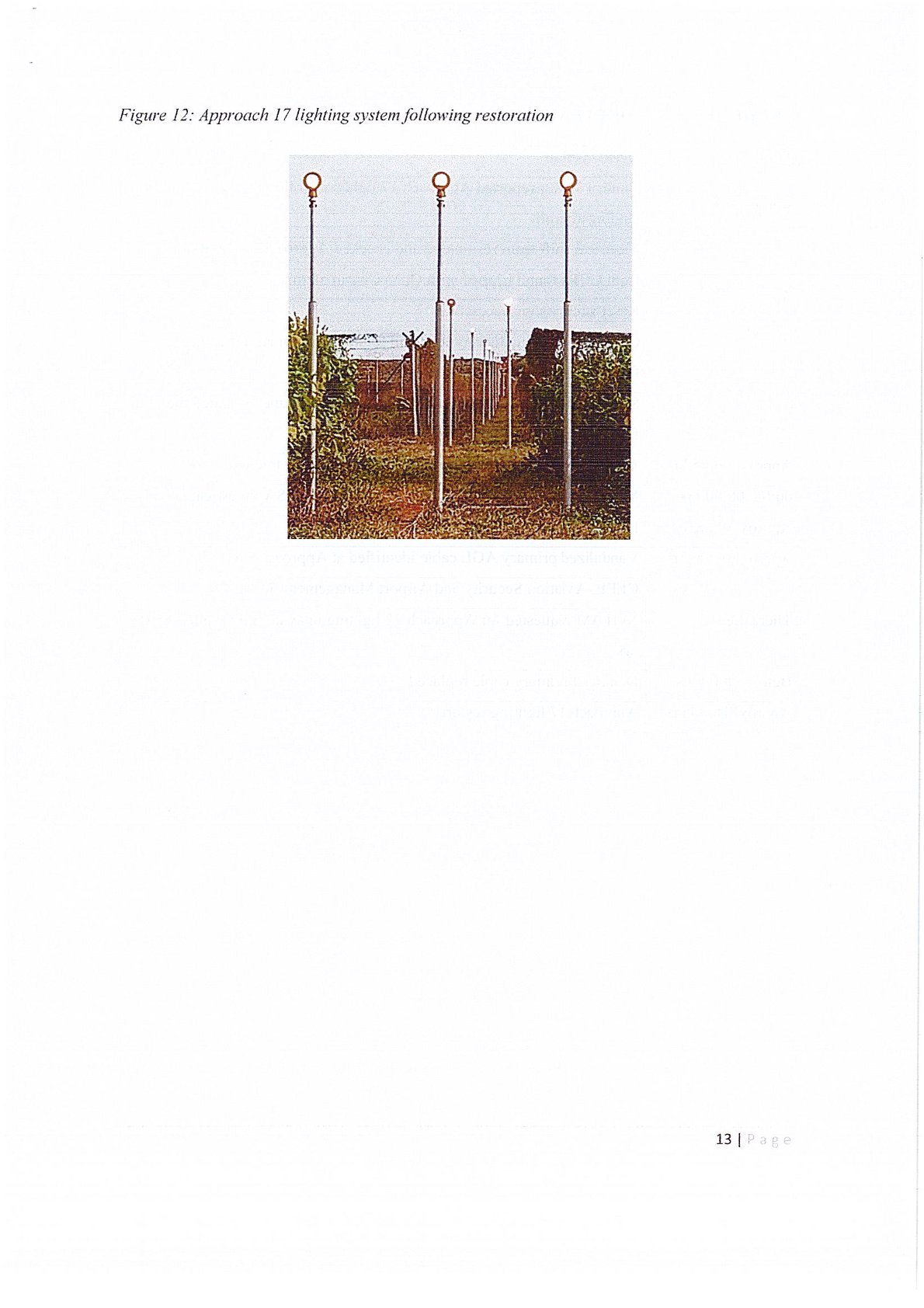
The Approach 17 lighting system was eventually restored to normal operation at approximately 6:00pm on September 16, meaning the critical installation had remained out of service for much of the day.
The report further indicates that before the outage was detected, aircraft movements on Runway 17 had continued normally during the night, with no earlier indication of a fault in the Approach 17 lighting system.
The Kenya Airways crew’s observation and alert to the Control Tower therefore brought the problem to the attention of the airport’s electrical team, triggering investigations that eventually exposed the vandalised cable.
The incident is among the developments now placing UCAA’s management of critical airport infrastructure under scrutiny, with 13 authority officials having been remanded to Kigo Prison over separate allegations involving neglect of duty, theft of electrical materials and interference with airport installations.
The officials have denied the charges.
The Approach 17 incident report was compiled by Senior Electrical Engineer Rogers Katamba and submitted through the electrical engineering department.
Who is to blame? Part 2 of the report to follow…
GOT A HOT STORY? BLOW THE WHISTLE!
Have breaking news, explosive revelations, juicy leads or evidence of wrongdoing?
WE WANT TO HEAR FROM YOU!
Send your tips, documents, videos, photos and audio recordings to:
redpeppertips@gmail.com
Whether it’s corruption, scandals, abuse of office, injustice or stories others are afraid to tell, help us bring the truth to light.
SOURCES ARE PROTECTED.
CONFIDENTIALITY IS OUR NO.1 PRIORITY!
About Post Author