SHOCKING INEQUALITIES EXPOSED! Speaker Orders Equal Opportunities Report Tabled Next Tuesday… As Gaps In Healthcare, District Services & Minority Protection Emerge
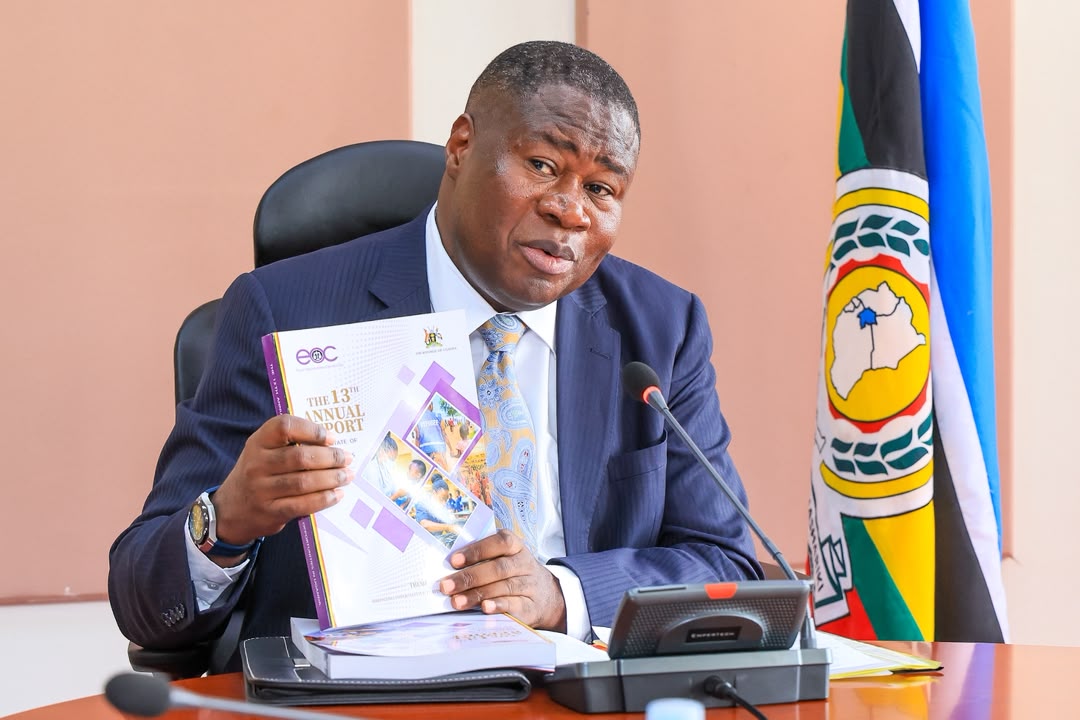
KAMPALA – The Speaker of Parliament has ordered that the Equal Opportunities Commission’s 13th Annual Report be tabled before Parliament next Tuesday, saying its findings must influence national budget decisions and government spending priorities.
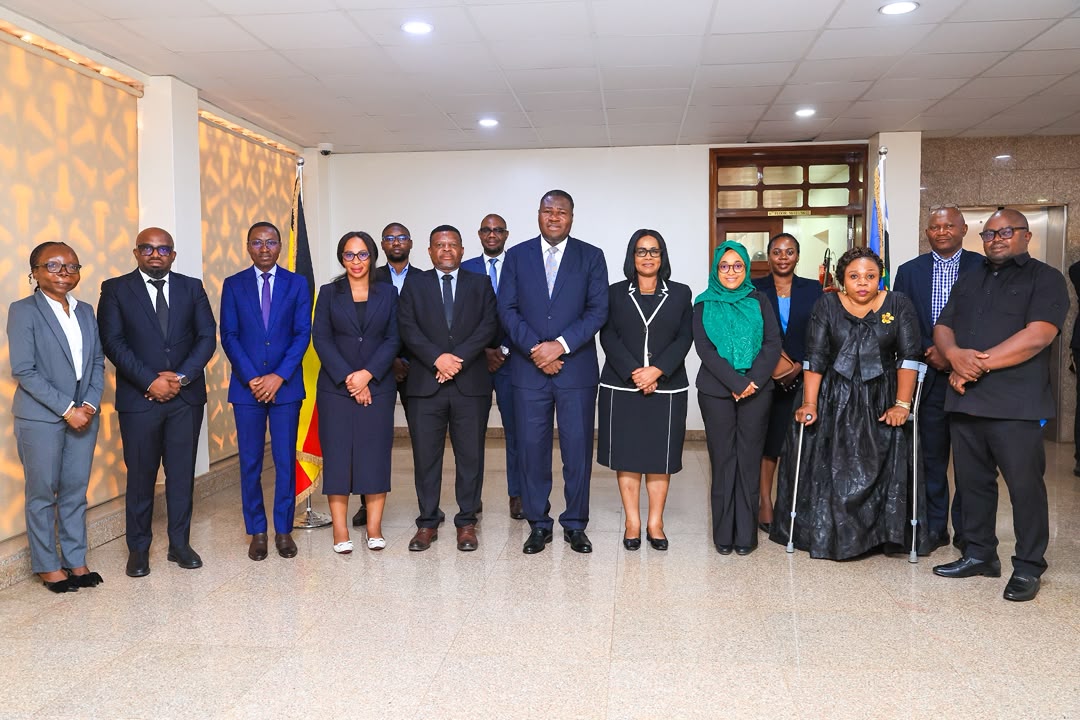
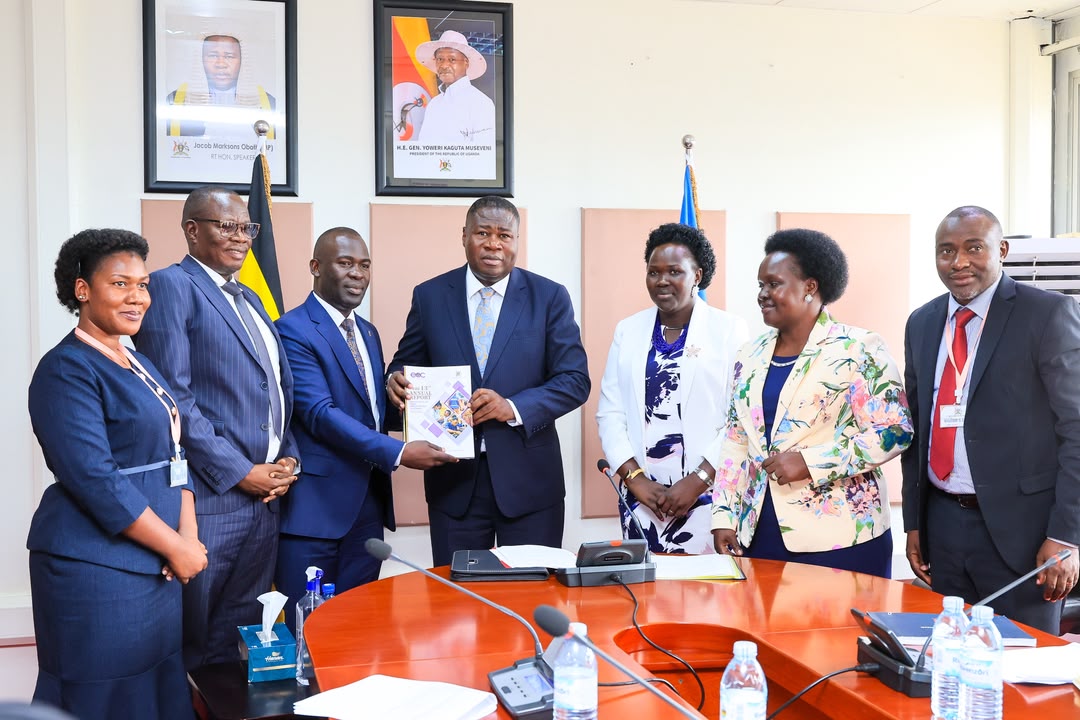
The directive came as the Commission presented its report, themed “Bridging Inequalities: Leaving No One Behind,” to the Speaker at Parliament on Wednesday, laying bare widening inequalities in access to healthcare, local government services, employment opportunities and protection of vulnerable communities.
The Speaker said the report had arrived at a critical time when Parliament was considering budget priorities and should not be treated as another document gathering dust on parliamentary shelves.
“I need this to be laid on Tuesday. That will refer to the committees and then work begins,” the Speaker directed.
The Speaker added that the findings should inform Parliament’s approach to evidence-based budgeting and debate.
“We are saying evidence-based budgeting, evidence-based debate. They have done their part. They have extracted the findings. This should now form how Parliament handles some issues,” the Speaker said.
Once tabled, the report will be referred to the Committee on Equal Opportunities for scrutiny and follow-up with the responsible institutions.
LOCAL GOVERNMENTS STARVED OF FUNDS
One of the major concerns raised by the Speaker was the declining share of the national budget allocated to local governments, despite persistent complaints about poor service delivery.
According to the Commission, local governments received just 9.7% of the national budget in the 2026/27 financial year, against the 20.1% benchmark provided for under the National Development Plan.
Even more concerning, only 15.6% of the funds allocated to local governments went towards development expenditure.
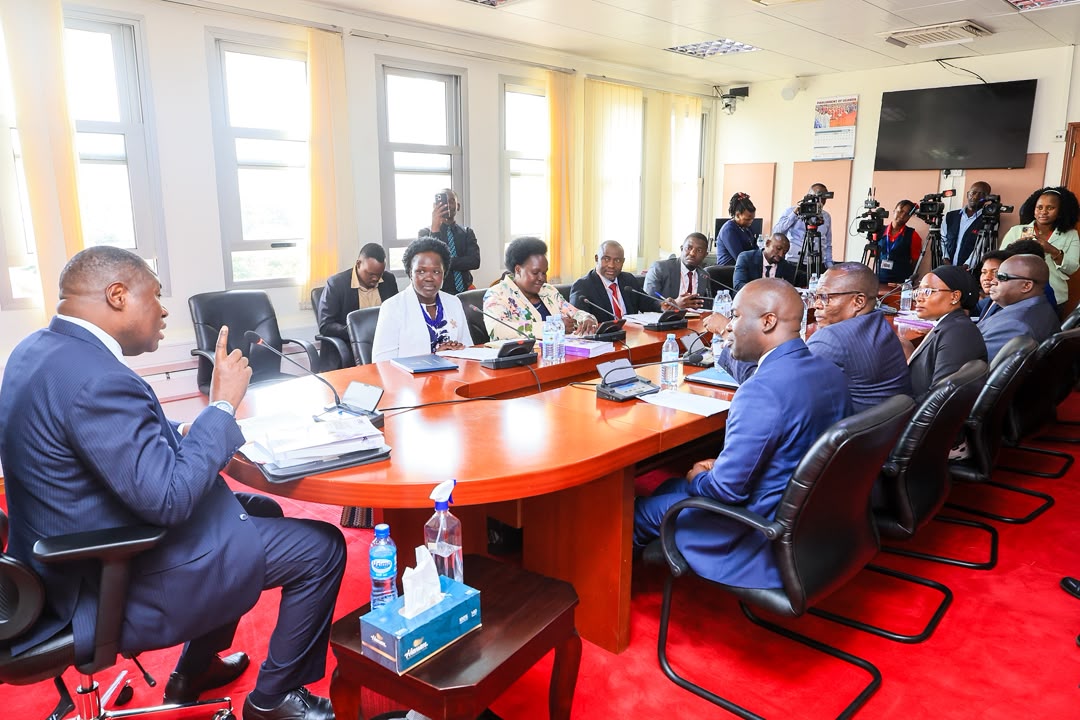
The Speaker questioned how Parliament and other responsible institutions could continue demanding better services while local governments received such a small share of national resources.
“Instead, we are declining from 9.9 to 9.7, and then we cry about service delivery. Seems like somebody is not doing his job. And that somebody could be us. We don’t want to be part of that,” the Speaker said.
SHOCKING COST OF MEDICAL TREATMENT
The report paints a grim picture of the cost of accessing healthcare, warning that serious illnesses are pushing ordinary Ugandan families into financial distress.
The Commission found that a medical bill of Shs30 million is equivalent to nearly ten years of earnings for someone living on the national median income of Shs260,000 per month.
Treatment of accident-related fractures in private hospitals can cost between Shs7.9 million and Shs54.3 million.
Although healthcare in public facilities is supposed to be free, patients continue spending money out of pocket because of frequent shortages of medicines, diagnostic services and essential medical supplies.
The situation is worse for patients seeking specialised treatment, much of which is concentrated in Kampala, forcing people from other parts of the country to spend additional money on transport and accommodation.
Some families have resorted to exhausting their savings, borrowing money and selling productive assets to meet medical bills.
The Commission warned that “access to life-saving health care is increasingly being determined by one’s ability to pay rather than medical need.”
It urged Parliament to fast-track the proposed National Health Insurance Scheme, with subsidised contributions for poor households, and increase public health spending towards the 15% target under the Abuja Declaration.
NEW DISTRICTS, NO SERVICES
The Commission also raised concerns about the performance and financial sustainability of newly created districts.
An assessment of 16 new districts found serious shortages of infrastructure and personnel, with 124 parishes lacking government primary schools and 69 sub-counties without government secondary schools.
About 46% of approved district positions remain vacant.
In one district, a single agricultural extension worker serves approximately 2,500 farmers, against the national standard of 500 farmers per extension worker.
The financial figures are equally worrying.
The assessed districts spent Shs86.5 billion on administration in the 2025/26 financial year, compared with only Shs52 billion allocated to development.
Locally generated revenue accounted for just 1.8% of their budgets, leaving the districts heavily dependent on central government transfers.
“Bringing administration closer to the people should not be mistaken for bringing services closer to the people,” the Commission warned.
It recommended maintaining the suspension on the creation of additional districts until existing ones are adequately equipped to deliver services.
REFUGEES, JOBLESS YOUTH & VULNERABLE CHILDREN
The report further highlights mounting pressure on refugees, young people and children.
Uganda was hosting approximately 2.06 million refugees by October 2026, but humanitarian funding has failed to keep pace with the growing needs.
Only 663,000 refugees receive food assistance, while more than 642,000 people in refugee settlements face crisis-level food insecurity or worse.
Access to education is also limited, with only 10% of refugees enrolled in secondary school.
On youth unemployment, the Commission put the national rate at 17.9%, rising to 21% among young women.
An estimated 5.25 million young people, representing 50.9%, are not in employment, education or training.
For children, the report estimates Uganda’s population of those below 18 years at 22.7 million.
It warns that nearly one in four girls aged 15 to 19 has experienced teenage pregnancy, costing the country approximately Shs645 billion annually.
The report also found that one in three women aged 20 to 24 was married before reaching 18 years.
Against this background, the Commission asked Parliament to reconsider the proposed dissolution of the National Children’s Authority.
MINORITY TRIBES FACE EXTINCTION
Perhaps the most alarming findings concern indigenous ethnic minority communities, some of which are experiencing dramatic population declines.
While Uganda’s overall population increased by 32.5% between 2014 and 2024, 14 indigenous minority groups recorded a combined population decline of 36,461 people.
The Mvuba population dropped by 86.7%, the Vonoma by 74% and the Batwa by 37.8%.
The Commission warned that if the trend continues, the Mvuba community could have fewer than 100 members by 2031.
The figures prompted a strong reaction from the Speaker, who reflected on the danger of entire communities disappearing.
The Speaker joked about initially mistaking “Mifumba” for second-hand clothes before turning to the seriousness of the findings.
“My father’s household alone, without the clan, we are more than 100,” the Speaker said.
“There are people who are in danger of being wished away or washed away.”
To protect these communities, the Commission is pushing for an Indigenous Ethnic Minority Groups Act, the establishment of a national council and adoption of a national policy to safeguard their rights and interests.
The Speaker pledged continued cooperation between Parliament and the Commission, with the report expected to trigger scrutiny of the institutions responsible for addressing the highlighted inequalities.
The Commission, meanwhile, challenged leaders to measure national development beyond economic growth and infrastructure, arguing that progress must also be reflected in the lives of vulnerable citizens.
“The true measure of Uganda’s development should not only be how far the country has progressed, but how many of its people have been able to progress with it,” the Commission said.
GOT A HOT STORY? BLOW THE WHISTLE!
Have breaking news, explosive revelations, juicy leads or evidence of wrongdoing?
WE WANT TO HEAR FROM YOU!
Send your tips, documents, videos, photos and audio recordings to:
redpeppertips@gmail.com
Whether it’s corruption, scandals, abuse of office, injustice or stories others are afraid to tell, help us bring the truth to light.
SOURCES ARE PROTECTED.
CONFIDENTIALITY IS OUR NO.1 PRIORITY!
About Post Author