SHS120M BOOST! Equity Bank Helps Arua’s Vurra S.S Build Bigger, Brighter Future

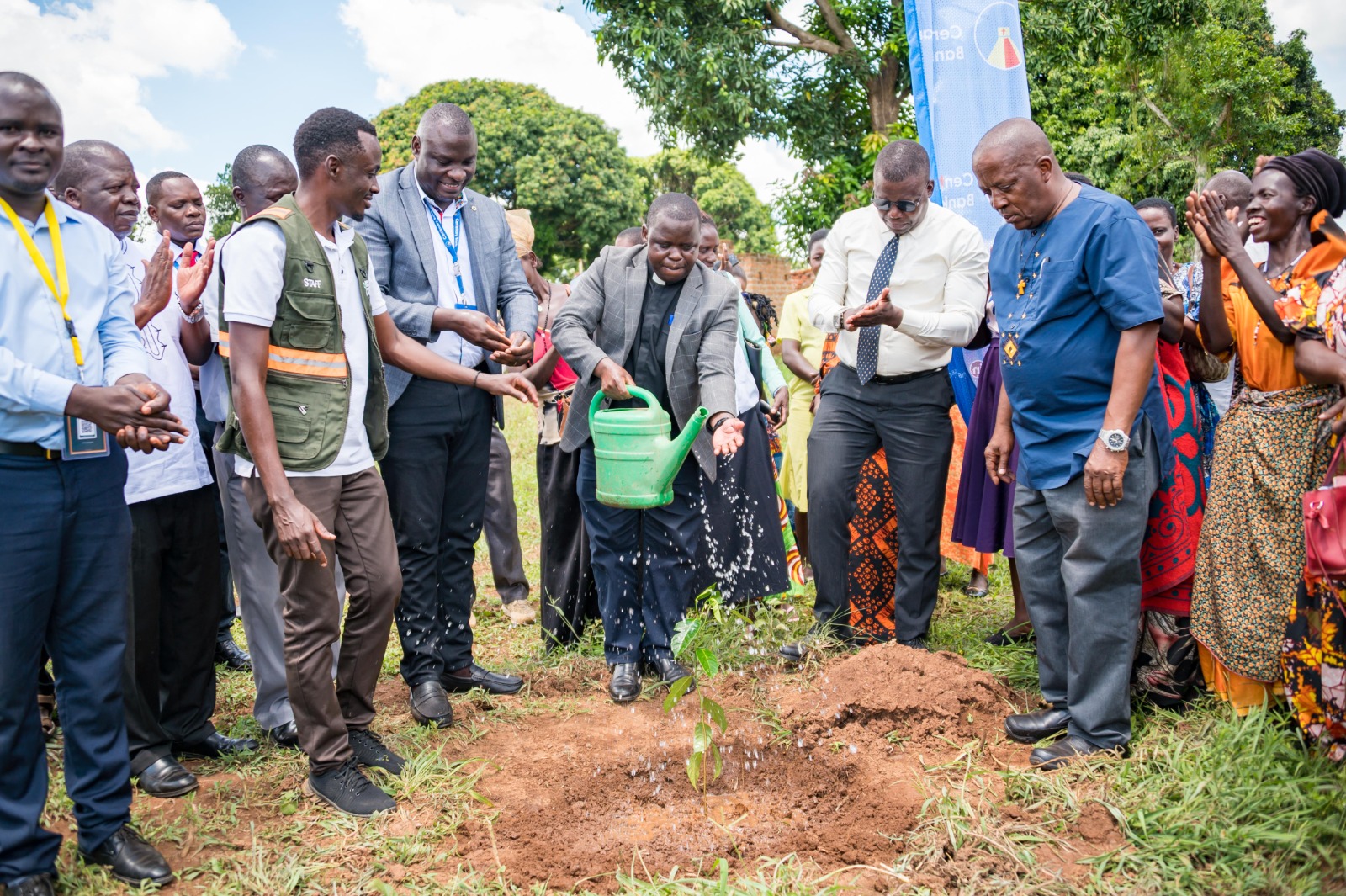
The executive leadership of the bank and the VURRA SS school administration pose for a photo after a strategic engagement in Arua district
Set against the vibrant landscape of Arua in West Nile, Vurra Secondary School is expanding to keep pace with a rapidly growing student population. School leaders are racing to add classrooms and dormitories to ensure every learner has space to study, live, and thrive.
Founded by the Church in 1981 and now government-aided, Vurra Secondary School faces a challenge familiar to many growing institutions across Uganda: rising enrollment amid limited resources. With public funding unable to meet the cost of major infrastructure projects, financing expansion from the school’s operating budget would put pressure on day-to-day activities.
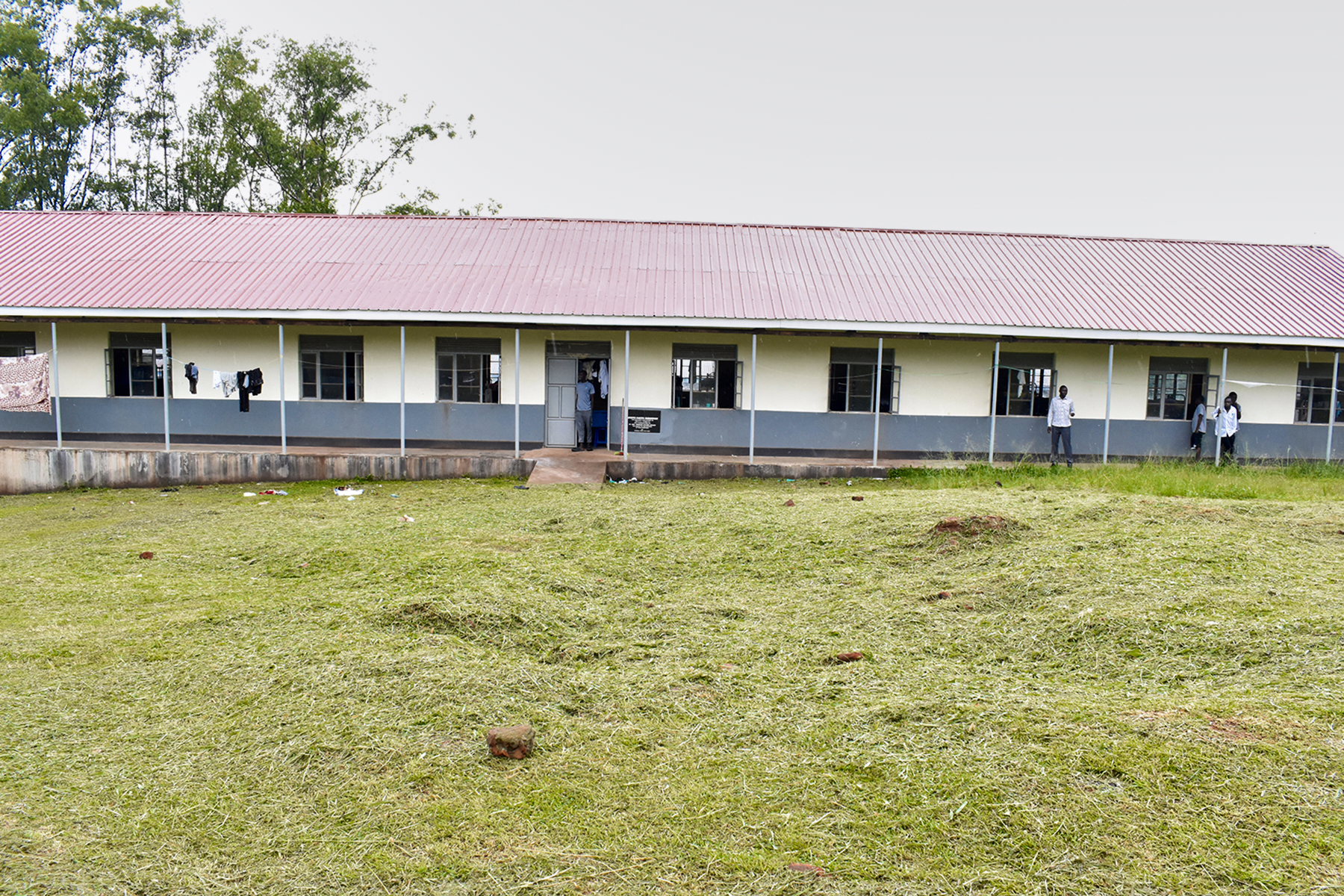
To bridge the gap, the school partnered with Equity Bank Uganda in late 2024. The partnership soon enabled the school to secure a Shs120 million credit facility, helping it complete a Shs280 million, 120-bed boys’ dormitory.
“We opened an account with Equity in late 2024, around November, and by January, we were granted a savings facility of Shs120 million to put up the dormitory,” says David Dima, Head Teacher of Vurra Secondary School.
The new facility has eased pressure on the school’s existing accommodation, particularly for boys. But as enrollment grows, the school is now turning its attention to providing equal accommodation for girls.
“The completed dormitory currently accommodates 120 students and has eased pressure on our existing facilities,” Dima says. “Now, we want to build a matching dormitory for the girls, with completion targeted for February next year so that incoming Senior Five students in March, 2027 can be accommodated.”
Enrollment is projected to reach 900 students next year, with the school’s long-term target set at 1,200 learners. Without additional classrooms and accommodation, Dima says, the school could be forced to turn away qualified students.
“Right now, we cannot admit more students than our current capacity, yet enrollment is increasing,” he says. “I want to ensure equal opportunities for both boys and girls.”
The school is also acquiring additional land for future development and exploring flexible financing to purchase a school bus. The bus would improve transport and help the institution attract students from surrounding communities.
Beyond infrastructure, school leaders are developing financial support packages for teachers and non-teaching staff who are not on the government payroll.
Equity Bank Uganda Managing Director Gift Shoko says schools should not have to put expansion plans on hold because of financing constraints. Through structured financing, institutions can begin projects immediately and repay over time.
“In terms of the structure you want, you don’t have to wait,” Shoko says. “It can be put up immediately so that work starts now, where you only start paying after the block is complete and operational.”
For Vurra Secondary School, the goal is sustainable growth without compromising financial stability. Its experience demonstrates how strategic financing and the right partnerships can help rural schools turn pressing infrastructure needs into long-term opportunities for more learners.
About Post Author