UGANDA’S LAND TRUST CRISIS! “Plot Not For Sale” – How Did Wanaichi End Up In Uncertain Waters?
Many years ago, while a student of political science, there was an interesting topic; — _The Agrarian Question in Uganda—It was focused on land ownership issues in Uganda and agricultural development in the pre and post colonial era.
In the post-modernity era, Uganda is increasingly faced by an urgent and often underrated land ownership / management challenge setting a familiar topic- The unresolved land question in Uganda.
How many times have you visited your “ka plot” and found a native has put up a “temporary” structure or cultivated some plants or crops without your consent?
What starts as someone using your piece of land some where in Kabembe-Mukono or Kayunga- Nansana to plant say maize for less than 5 months, often times ends up in a protracted property dispute pitting the Land lord and the “temporary planter” who quickly becomes a squatter. Many of these documented land disputes have left hitherto peaceful people at loggerheads, sometimes claiming precious lives in the process.
Land conflicts in Uganda; True and lived experiences
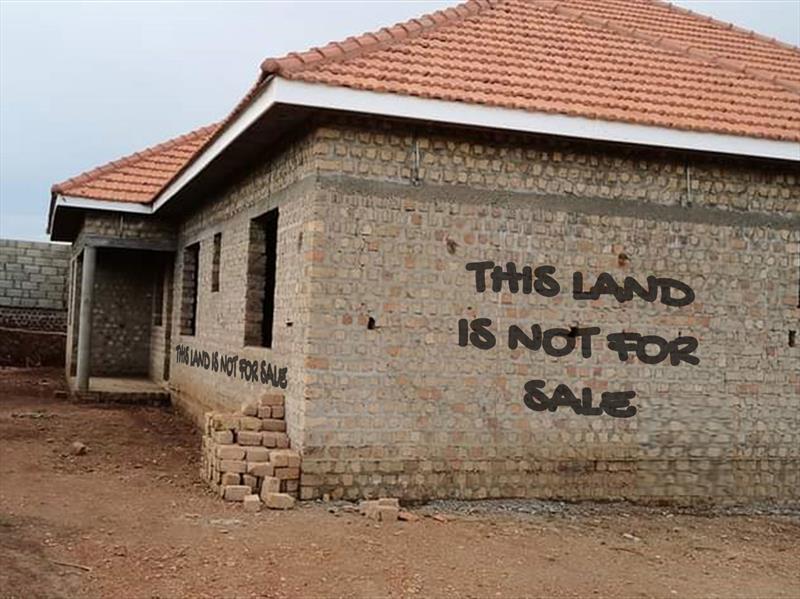
For the reader to appreciate the challenge of land / property grabbing, take a walk in any suburb of your city. You will barely move more than 1000 metres without one notice: not for sale, most times when the neighbourhood isn’t fully developed. Even fully developed neighbourhoods grapple with cases of houses built on contested plots, double titled properties.
Why is Uganda increasingly faced with people grabbing or inventing illegal, orchestrated property transactions? Is this driven by economic pressures, or inadequate socialisation of land rights and responsibilities, or simply greed?
Land is now Uganda’s most contested asset. Land disputes make up over 33% of all pending civil suits in Uganda’s courts.
According to the Uganda Police Annual Crime Report 2025, land-related crimes increased by 67% from 397 cases in 2024 to 663 cases in 2025.
The most common types were disputed boundaries (46%), family land wrangles (30%), and land grabbing (22%). Northern Uganda constituted majority at 33% while Central Uganda was at 25%. Media coverage of land wrangles frequently mentions Kampala Metropolitan area—especially Wakiso, Mukono, Mubende.
There is progress, however authentic land management reforms remain a sustainable development challenge.
The government of Uganda has long worked to address land grabbing and fraudulent land titling in the country. Efforts include strengthening the National Land Information System (NLIS),digitization of land systems- real time property ownership verifications through SMS messaging; these and other measures are geared towards strengthened credibility and transparency of the land registration process.
A few months ago, a real estate professional and seminary alumni assured me that forging of land titles is a wide spread phenomenon and all the fraudsters need is the location of the property and they will make the “deal” happen. A person selling land in suburban A of Kampala,Mbale or Arua has to carefully consider who they share the plot, block number with.
Using details of other properties in the neighborhood, fraudsters quickly secure a fake title and “smartly” put the fraudulent property on sale alongside the genuine one. I know of a Surveyor who declared a title in his custody lost while he had secretly put the property in question on sale, only for the owner to be rudely shocked when construction works started on his “unsold plot”!
What does the future hold in the land conflicts space?
With a stead population rate at an average of 2.9% and a population of 45M according to the 2024 census by UBOS, it means in 10 years there will about 29% increase in the population if nothing changes, that’s about 1.3M people. Implication? Land conflicts will escalate due to different reasons; rapid urbanisation, weak customary land documentation, sophisticated digital fraud.
What can you do to counter rising land/property scams?
- Visit your property as often as possible. An empty plot is usually a soft target.
There is cost of being out of sight. An empty, unvisited plot is the easiest target.
- Carefully choose the caretaker / person living on your property. This will wad off scenarios of property / house being bought / transferred to another person. Your caretaker can become your weakest link or your safeguard. Select someone you trust, agree in writing what they can and cannot do and a local leader can witness this exercise.
- Invest in thorough pre-purchase due diligence. Ask more persons to verify information received because people who scam always collude and they will position their trick stars to tell a genuine story. Do not rely on one agent, one LC, or one neighbour. Verify with the Ministry of Lands, the surveyor, the LC1, neighbours, and family independently. Being in a hurry to transact is usually a recipe for scamming.
- Ensure your property is fenced off to avoid petty encroachers and compromising boundaries. Fencing ensures that your boundaries are visible.
- For those who can afford it, CCTV with a live feed to your phone is now a practical tool, especially for diaspora owners and owners in Kampala with land upcountry.
- Do not surrender block and plot numbers carelessly, including your title to anyone you don’t trust.
Lastly, to ensure Uganda boldly moves to achieve the tenfold growth strategy, harmony, fidelity to the law in the land management/property sector remain key because land conflicts are direct threats to the different development targets.
Simon Sigirenda
Governance and Policy Advisor, strategic story teller.
ssigirenda@gmail.com
DISCLAIMER: The views expressed here belong to the author(s) and do not
necessarily reflect the editorial policy of the Red Pepper. Send your opinion,
complaint, feedback, and letter to redpeppertips@gmail.com.
Anonymous writers must indicate the reason.
About Post Author