
AFRICA: Burkina Faso President Traoré Dissolves Electoral Commission, Sparking Debate
By MUHINDO DEFRAISE Enosh
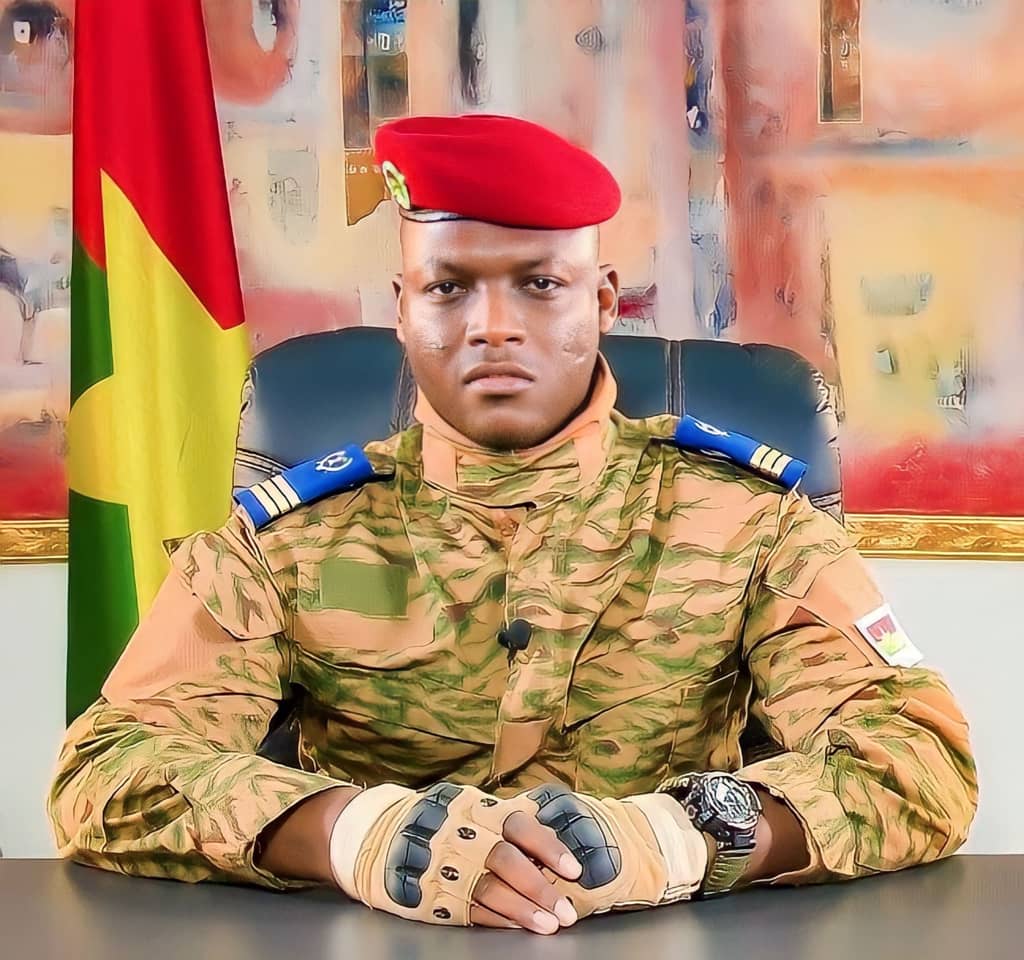
Burkina Faso’s President, Captain Ibrahim Traoré, announced on July 18 the dissolution of the National Independent Electoral Commission (CENI), a significant shift in the country’s electoral framework. According to an official decree, the responsibilities of the CENI will now be handled by the Ministry of Territorial Administration.
The government cited economic and sovereignty concerns as the basis for this decision. Territorial Administration Minister Emile Zerbo stated that the CENI, with an estimated annual budget of $870,000, represented a substantial financial burden. He also emphasized that transferring electoral duties to the ministry would enhance national sovereignty by reducing foreign influence in the electoral process.
This move comes as Burkina Faso, led by Traoré since a September 2022 coup, postponed elections originally scheduled for July 2024 to July 2029. The extension of the transitional period toward civilian rule was formalized through a national charter adopted last year.
The decision has elicited mixed reactions. Some citizens, particularly in Burkina, most have praised it as a step toward asserting national independence from external influences mentioning that there is no need of election when the country is well led. Some have raised concerns about the transparency of future elections, now overseen by a government ministry. Civil society organizations have yet to issue official statements, but analysts note the move could fuel discussions about electoral governance.
Burkina Faso continues to grapple with significant challenges, including escalating insecurity from jihadist attacks, which have claimed thousands of lives and displaced over two million people.
Traoré’s government has prioritized combating terrorism while pursuing reforms to strengthen national autonomy, including forging new partnerships with countries like Russia.
This decision, reshaping the electoral landscape, unfolds amid ongoing political and security tensions. Observers are closely monitoring the next steps to assess its impact on democracy and stability in the country.
About Post Author


