CLIMATE CRISIS! Oboth Blasts Leaders Over Empty Talk, Demands Action
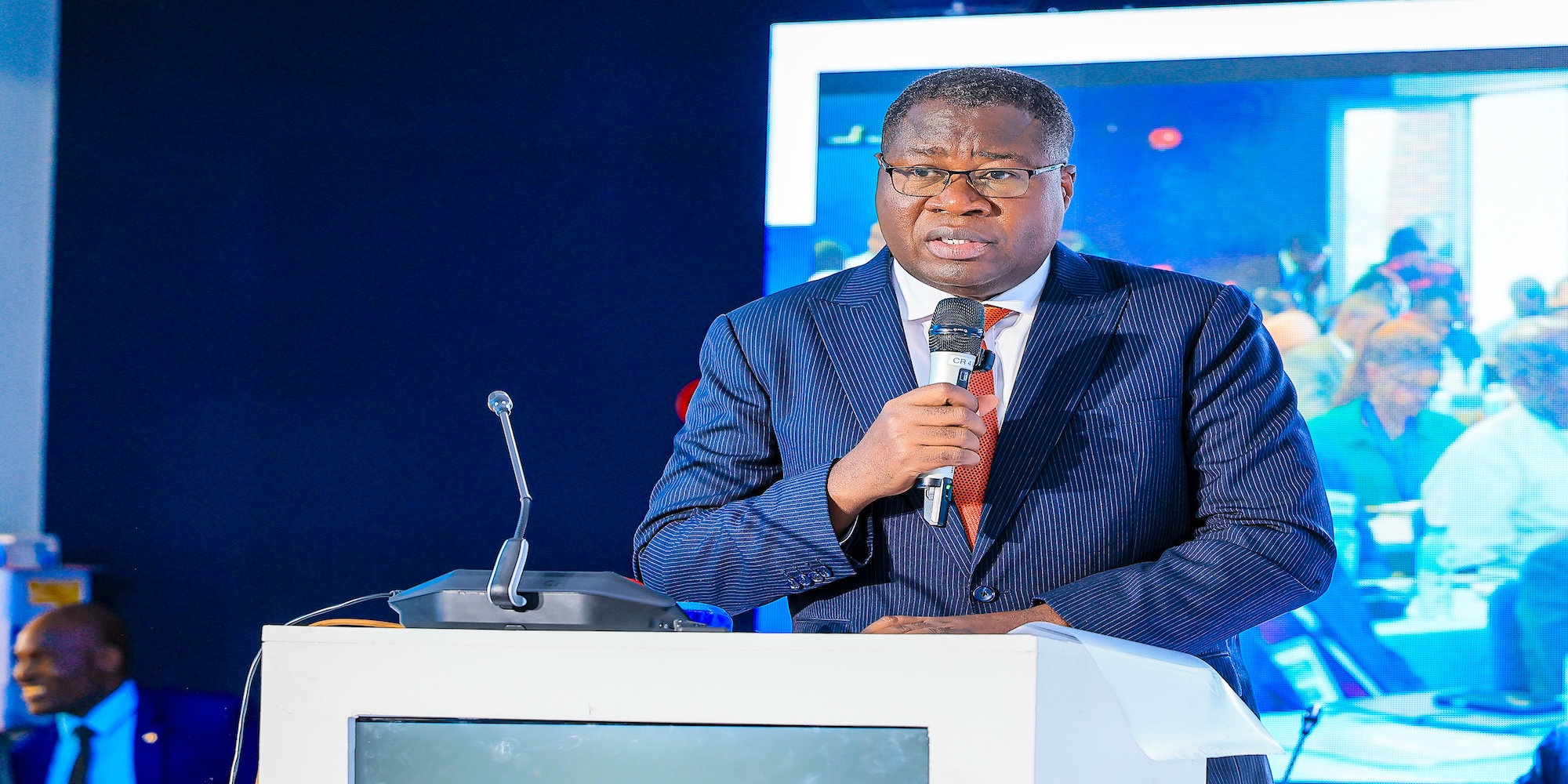
KAMPALA — Speaker of Parliament Jacob Markson Oboth has challenged Uganda’s leaders to stop endless boardroom discussions and deliver tangible results against climate change, warning that floods, landslides and prolonged droughts are destroying livelihoods, infrastructure and years of development gains.
“Let us stop trading statistics in boardrooms and start delivering measurable climate action,” Oboth said.
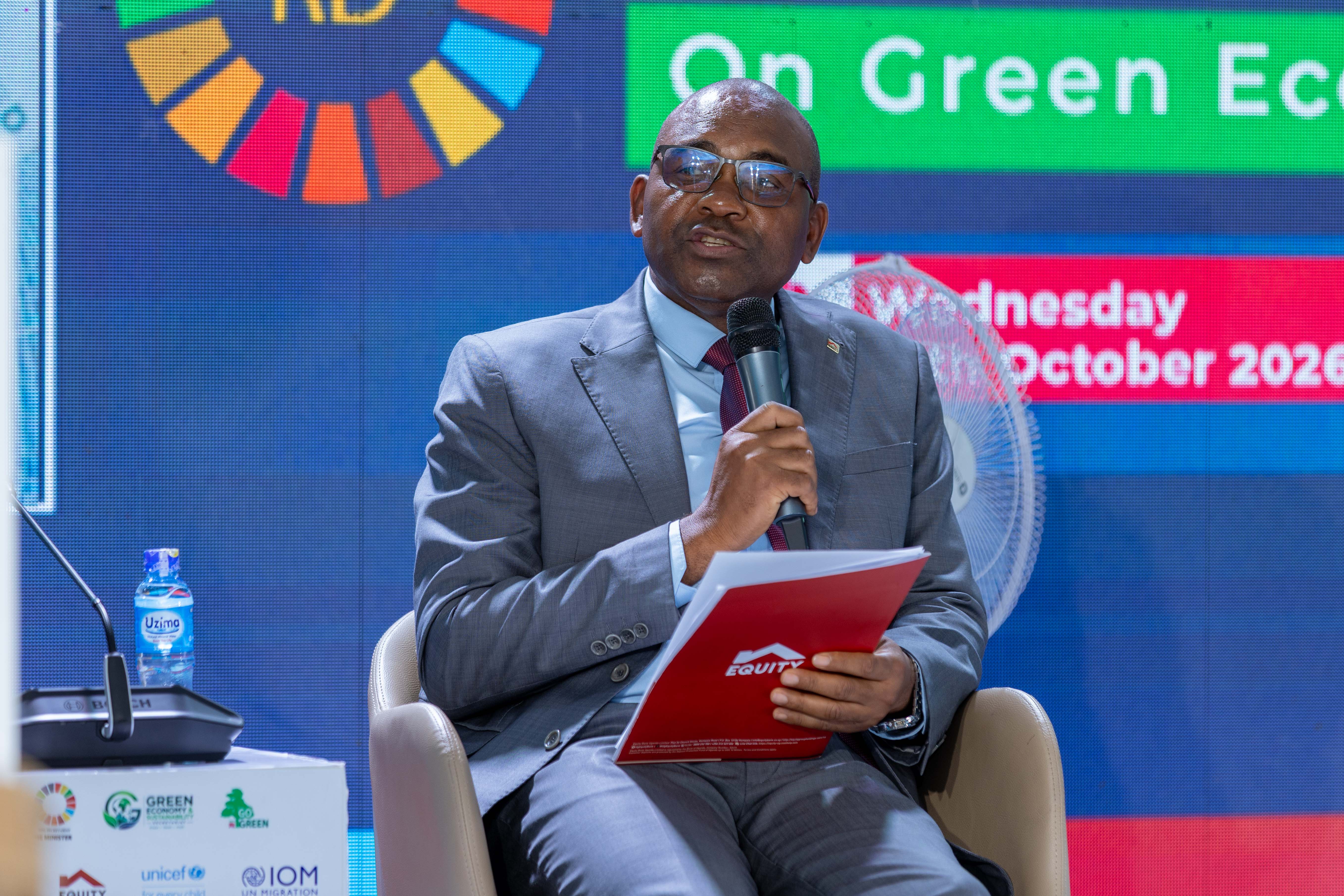
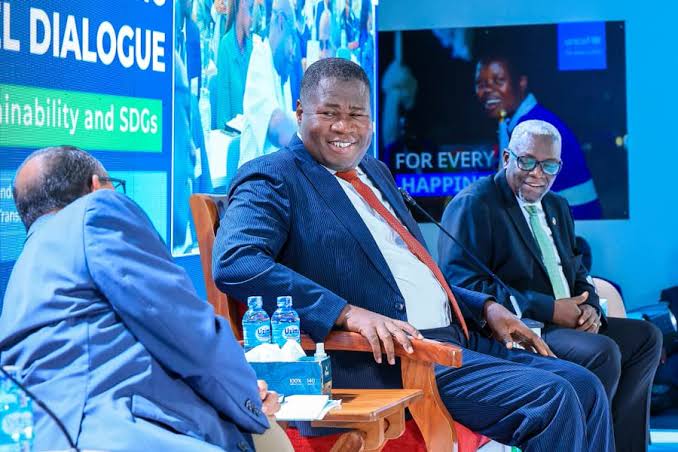
He was speaking at the 3rd CEOs’ Breakfast Meeting and High-Level Dialogue on Green Economy and Environmental Sustainability, held at the UNICEF grounds in Mbuya under the theme “Accelerating Uganda’s Green Economy Transition through Digital Transformation.”
The event was organised by Youth Go Green, founded by Mr Edwin Muhumuza.
Delivering the keynote address, Oboth said climate change was increasingly threatening communities through unpredictable rainfall, prolonged droughts, landslides and flooding, with devastating consequences for agriculture, rural livelihoods and economic development.
He pledged Parliament’s support for the laws, budget allocations and oversight mechanisms needed to strengthen climate action and accelerate Uganda’s transition to a green economy.
Oboth cited global data showing that the 11 years from 2015 to 2025 were the warmest on record, with global temperatures in 2025 reaching approximately 1.44°C above pre-industrial levels.
He warned that recurrent floods and droughts were undermining years of development gains and called for urgent investment in forest and wetland protection, restoration of degraded land and expansion of renewable energy.
The Speaker also emphasised the need to harness digital technologies for real-time environmental monitoring, efficient resource management and sustainable development.
He urged participants to ensure that high-level engagements produce practical resolutions, clear commitments and measurable outcomes rather than ending with discussions and statistics.
PARLIAMENT PLEDGES SUPPORT
The Chairman of Parliament’s Committee on Climate Change, Hon. Henry Aggrey Bagiire, MP for Bunya County West, assured delegates that Parliament was ready to translate political commitments into action on the ground.
Bagiire said Speaker Oboth had taken a firm stance on dedicated budget allocations for the committee to strengthen parliamentary oversight and facilitate collaboration with environmental stakeholders.
He said effective oversight and adequate resources were essential to ensuring that climate policies and commitments translated into tangible results.
UCC WARNS OF ICT CARBON FOOTPRINT
Addressing the digital transformation theme, Uganda Communications Commission (UCC) Director of Corporate Affairs Fred Otunnu said digital technologies were improving agricultural productivity and service delivery but warned that the information and communications technology sector must also address its growing environmental footprint.
“A recent UCC Carbon Footprint Study revealed that under business-as-usual operations, ICT energy consumption in Uganda could more than double by 2030. Globally, the ICT sector contributes nearly 4% of carbon emissions due to energy-intensive infrastructure, data centres and 5G expansion,” Otunnu said.
Marking International E-Waste Day, observed on October 14, Otunnu also highlighted the dangers of improper disposal of electronic equipment, including the release of hazardous heavy metals such as lead and mercury into the environment.
He said UCC was launching Phase Two of its national ICT e-waste collection project, aimed at promoting responsible disposal and turning electronic waste into opportunities for refurbishment, material recovery and green job creation.
CLIMATE ACTION MUST INCLUDE THE VULNERABLE
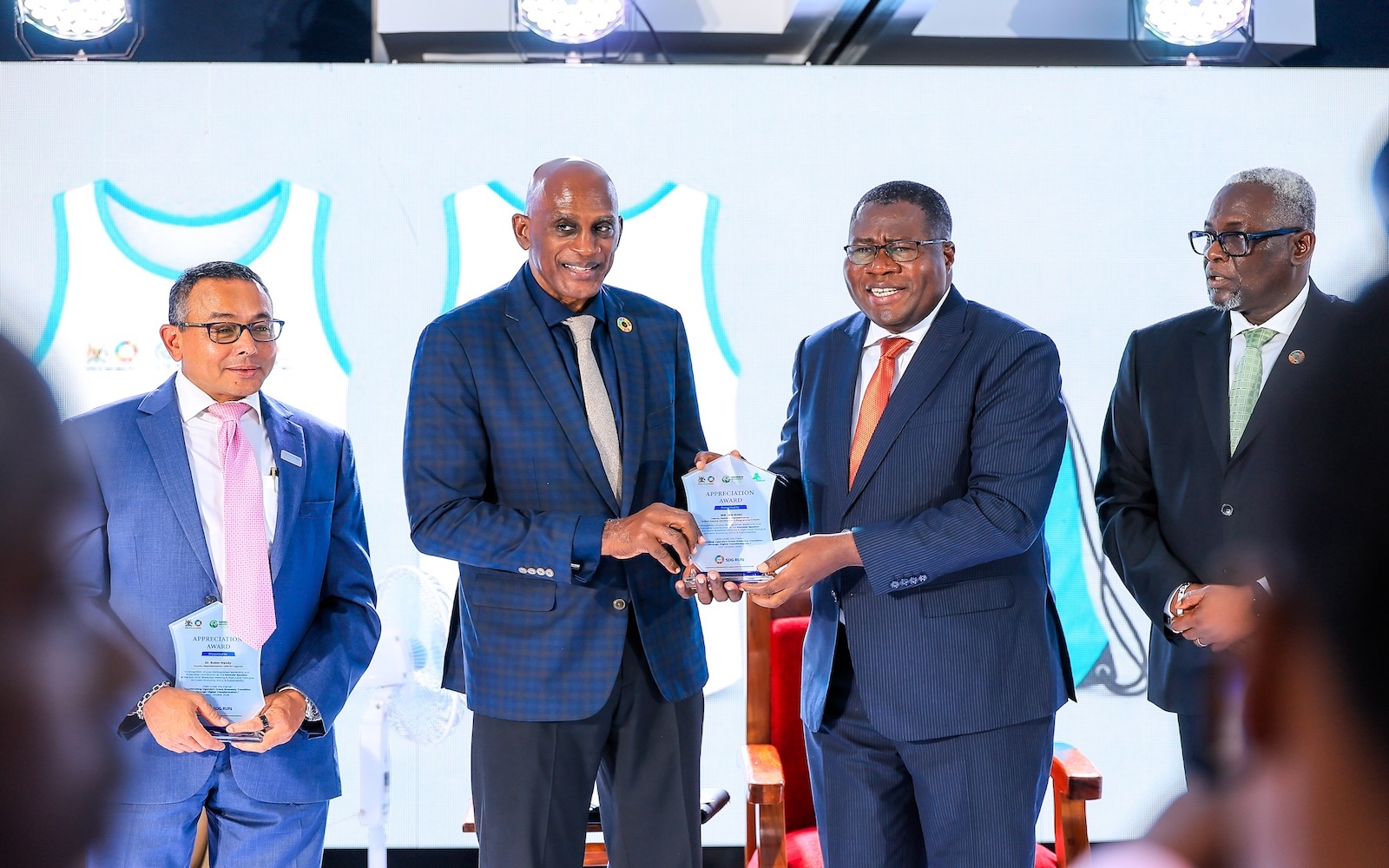
Mr Sanusi Tejan Savage, Chief of Mission for the International Organization for Migration (IOM), said digital and green solutions must benefit vulnerable populations, including refugees, migrants and rural communities.
He commended Uganda for championing the Kampala Ministerial Declaration on Migration, Environment and Climate Change (KDMECC), an initiative launched by President Yoweri Museveni that has since expanded to 35 signatory nations across Africa.
Savage also urged delegates to participate in the upcoming SDG Run as part of efforts to translate commitments into practical action.
Dr Robin Nandi, UNICEF Representative to Uganda, highlighted Sustainable Development Goal 6 on clean water and sanitation as a critical foundation for inclusive climate resilience.
Nandi pointed to gaps in water and sanitation services and the threat of drought as major obstacles to building resilient communities.
He challenged private-sector chief executives to increase investment through public-private partnerships (PPPs) and environmental, social and governance (ESG) initiatives.
He identified smart water-monitoring systems, digital payment infrastructure, solar-powered water systems and water-efficient irrigation as opportunities for businesses to support climate resilience while improving services for vulnerable communities.
The meeting called for stronger collaboration among government, the private sector, development partners and communities to accelerate Uganda’s green economy transition and ensure climate commitments deliver measurable benefits.
GOT A HOT STORY? LET US KNOW!
Got breaking news, explosive secrets, or hard evidence?
Email us: redpeppertips@gmail.com
We accept tips, documents, videos, photos, and recordings—the more evidence you have, the better.
CONFIDENTIALITY IS OUR TOP PRIORITY. SOURCES ARE ALWAYS PROTECTED!
About Post Author