LANDS MINISTRY EXPOSED! Office Attendants Typing Titles, Sh10M 10-Year Trainees Bribes, Family Ties, Questionable Recruitment & Sweetheart Deals Raise Eyebrows

KAMPALA — Whispers of alleged nepotism, questionable staff deployments, sweetheart deals and long-serving graduate trainees are causing sleepless nights in some Ministry of Lands, Housing and Urban Development Zonal Offices (MZOs), with insiders raising uncomfortable questions about who really calls the shots in the country’s land administration system.
From allegations of relatives securing plum jobs to claims that graduate trainees have overstayed their welcome for up to a decade, the grapevine is buzzing with stories of favouritism, questionable recruitment practices and staff allegedly performing duties outside their official job descriptions.
And that is not all.
Questions are also being raised about who gets access to sensitive land registration systems, who is allowed to type official titles and whether some staff members have become too connected to be transferred.
In Jinja MZO, allegations have emerged that an insignificant junior staffer has been involved in typing land titles, prompting questions about staff responsibilities, professional qualifications and who authorises access to sensitive documentation.
Insiders are wondering whether the Ministry has enough qualified personnel to handle specialised tasks or whether certain employees are being allowed to perform duties outside their designated roles.
The plot thickens with claims that some district local government employees under District Lands departments are working in MZOs, while some Kampala Capital City Authority (KCCA) staff reportedly perform duties in land offices instead of doing their own work in the City Lands Department. This has reportedly increased corruption and bribery.
Secretaries, cartographers, staff handling searches and personnel associated with the Registry of Titles are among the positions mentioned in the allegations.
Questions are being asked about the arrangements under which these employees operate, who supervises them and whether their deployments comply with established public service procedures.
Some transferred employees are also alleged to have resisted taking up their new assignments, raising questions about whether official deployment decisions are being respected.
RELATIVES, FAVOURITES AND THE MZO CONNECTIONS!
But the biggest gossip concerns alleged family connections and the recruitment of contract staff in land offices.
Several senior and former government officials have been mentioned in claims that their relatives occupy positions within public institutions, including land administration offices.
The allegations include claims that a valuer has five relatives working as assistants. JB is alleged to have three relatives at KCCA, while a former Undersecretary is alleged to have three relatives in the system.
A former Permanent Secretary is also alleged to have three relatives, while a former Minister is alleged to have five.
The claims have not been independently verified, and the employment of relatives does not, by itself, establish nepotism or wrongdoing. However, the allegations raise questions about whether recruitment procedures are transparent, competitive and based on merit.
Insiders want to know whether all applicants are given a fair chance or whether connections can open doors that remain closed to other qualified candidates.
TRAINEES WHO NEVER LEAVE!
The graduate trainee programme is another hot topic in the land-office grapevine, with allegations that some trainees have remained in MZOs for five, seven or even ten years.
Graduate traineeships are generally intended to provide practical experience and professional development. But insiders are questioning how some trainees allegedly remain in the system for years, repeatedly renewing their placement letters instead of progressing through a clearly defined training or recruitment process.
Even more explosive are claims that some trainees allegedly pay between Shs5 million and Shs10 million to secure extensions or continued placement.
These allegations have not been substantiated, and it remains unclear who allegedly receives the money.
If proven, however, such payments would raise serious questions about the integrity of recruitment and placement procedures.
The gossip does not end there. Some trainees are alleged to be performing data-entry duties, handling records and typing official correspondence despite their training assignments being in different fields.
Questions have also emerged about whether some trainees are being granted access to sensitive land administration systems before completing adequate training or receiving the appropriate authorisation.
Given the legal and financial importance of land records, insiders want the Ministry to explain who approves system access and what safeguards prevent unauthorised handling of official documents.
LOVE, POWER AND COVETED JOBS?
The grapevine is also awash with allegations that personal relationships may have influenced the placement of some employees in desirable positions.
One land official, identified in the allegations as PW, has been accused of having more than five women described by sources as his wives working as registrars and stenographers in different MZOs.
The claim remains unverified, and no evidence has been provided to establish the alleged relationships or whether they influenced any employment decisions.
Nevertheless, the allegations have stirred questions about transparency in recruitment and whether staff appointments are being subjected to the same standards regardless of personal connections.
The question being asked is simple: are positions awarded through fair recruitment procedures, or do some applicants enjoy advantages unavailable to others?
WHO IS SIGNING LAND TITLES?
Perhaps the most sensitive issue concerns the training and authorisation of registrars responsible for signing land titles.
Sources allege that during Sarah Kurata’s tenure, registrars were expected to undergo approximately three years of training before being allowed to sign titles.
However, the allegations suggest that some individuals may now be entrusted with registrar responsibilities after only months or about a year of training.
The claims raise questions about the training standards, professional competence and authorisation procedures governing the signing of land titles.
Land titles are critical legal documents. Any weaknesses in their preparation, verification or signing procedures could undermine public confidence and expose property owners to unnecessary risks.
The Ministry needs to clarify the applicable training requirements, who authorises registrars and whether all officers signing titles meet the required professional standards.
With allegations of nepotism, prolonged traineeships, questionable staff deployments and possible irregularities in access to land registration systems, the Ministry faces growing questions about the management of its zonal offices.
Who monitors graduate trainees? How are contract staff recruited? Can transferred employees remain at their preferred stations without formal authorisation? And what controls ensure that only qualified and authorised personnel handle sensitive land records?
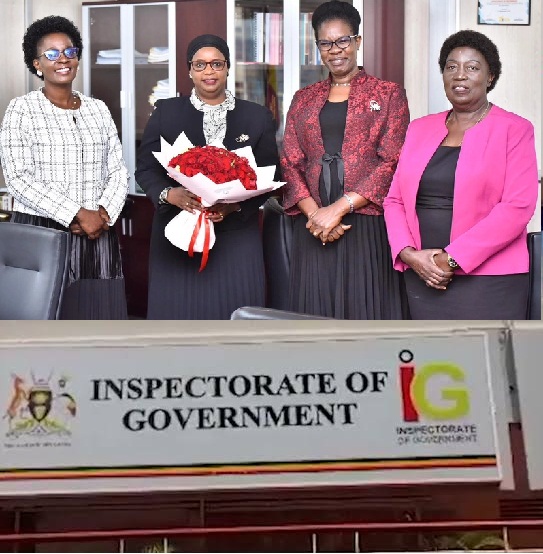
RedPepper understands a voluminous whistleblower report is already on the Inspector General of Government’s (IGG) desk. What exactly is buried in that dossier? Who are the big shots mentioned, and what could be waiting to explode?
Watch out in our subsequent publication.
GOT A HOT STORY? LET US KNOW!
Got breaking news, explosive secrets, or hard evidence?
Email us: redpeppertips@gmail.com
We accept tips, documents, videos, photos, and recordings—the more evidence you have, the better.
CONFIDENTIALITY IS OUR TOP PRIORITY. SOURCES ARE ALWAYS PROTECTED!
About Post Author