From Kampala to Singapore in 7 Days: Lessons for Uganda’s Future
By Kerebu Nuwagira
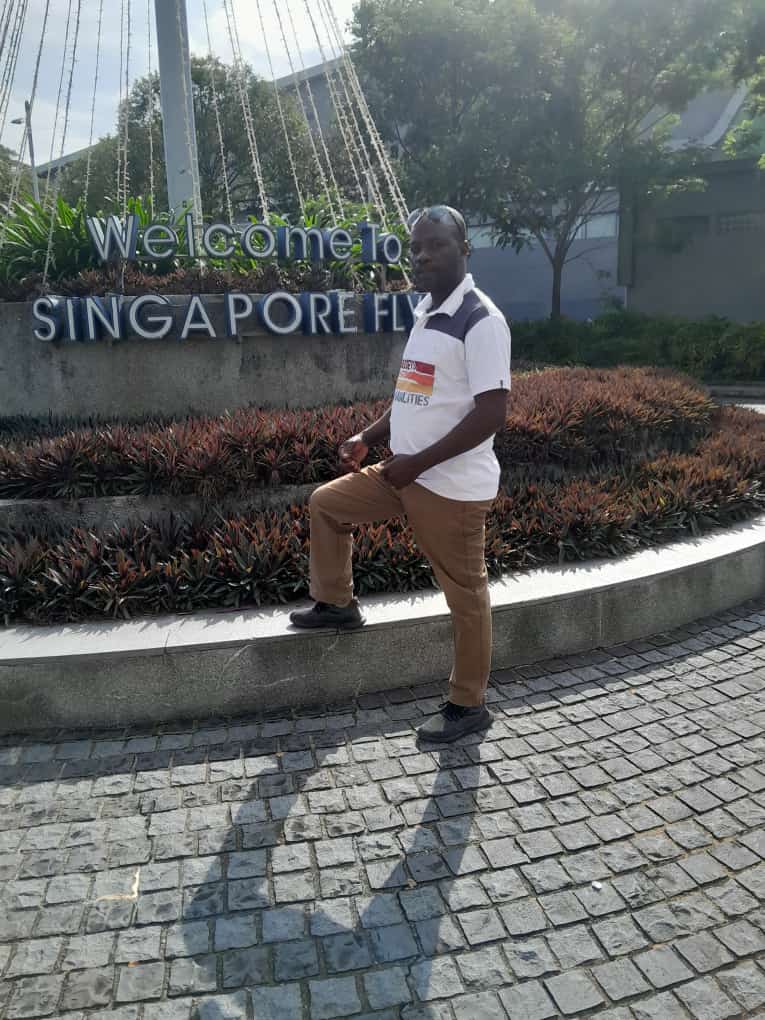
In May 2025, I spent one transformative week in Singapore. What I saw was not just a clean city with beautiful buildings, but a living example of what visionary leadership, discipline, and smart planning can achieve. As a Ugandan, I couldn’t help but reflect on the possibilities for our own country.
In the heart of Southeast Asia lies a small island nation that has done the seemingly impossible. Singapore once a colonial backwater with no natural resources has risen to become one of the world’s most efficient, clean, and futuristic cities. After just one week there, I left with a mind full of questions and a heart full of hope for Uganda.
This article shares seven key lessons Uganda can borrow to build a brighter, more functional future.
1. Cleanliness and Order: It Starts with Discipline
One of the first things that struck me in Singapore was its cleanliness. No litter. No plastic bags flying through the air. No garbage heaps in corners. Every citizen plays a part in keeping the environment clean, backed by clear rules and stiff penalties for littering, spitting, or illegal dumping.
Public education around sanitation is strong, and waste collection systems work like clockwork. By contrast, cities like Kampala continue to grapple with poor waste disposal, blocked drainage systems, and public apathy.
Can Kampala replicate this? Absolutely. But it requires public awareness, strong political will, and consistent enforcement of sanitation laws.
2. Efficient Public Transport: From Boda Bodas to Systems
Singapore’s MRT (Mass Rapid Transit) is fast, clean, safe, and affordable. Trains arrive on time. Stations are spotless. And the entire city is connected seamlessly. In Singapore, you don’t need a private car to move around efficiently.
Compare that to Kampala, where the lack of a coordinated transport system forces people to rely on boda bodas, taxi, and congested roads. While boda bodas offer flexibility, they are also symptoms of a system without structure.
Uganda can begin with bus rapid transit (BRT), explore cable cars in high-traffic areas, and regulate informal transport. Mobility is not just about movement it’s about creating smart, people-friendly systems.
3. Urban Planning and Infrastructure: Building with Purpose
Singapore’s urban planning is thoughtful and strategic. High-rise buildings coexist with green parks, walkways, schools, and business centers. Everything seems to fit because it was planned to.
Uganda’s cities, unfortunately, are often reactive. Slums expand without oversight, roads are built before drainage, and green spaces are slowly disappearing.
It’s not too late to change course. Ugandan towns can be re-zoned with community involvement. Long-term infrastructure must be guided by a national vision, not campaign cycles. We must build livable cities, not just settlements.
4. Technology and Innovation: Future-Ready Systems
Singapore is a model smart city. From cashless transport cards to facial recognition at government offices, technology enhances daily life. Tech hubs and innovation centers are everywhere, and the youth are actively shaping the future.
Uganda has enormous potential here. Our youth are creative and tech-savvy, but they lack access to affordable internet, strong ICT education, and consistent funding for innovation. If we invest in ICT, startups, and digital literacy, we can unlock the creativity and energy of Uganda’s next generation.
5. Social Welfare and a Strong Savings Culture: A Safety Net That Works
Singapore mandates that every employed citizen save at least 20% of their income through the Central Provident Fund (CPF). These funds cover healthcare, retirement, housing, and education.
In Uganda, public servants rely on pension schemes, while the private sector depends on the National Social Security Fund (NSSF), which has often fallen short in both performance and reach.
We must rethink our savings culture and strengthen social safety nets to provide dignity and security for all citizens not just a few. Insurance penetration in Singapore stands at over 98%, while in Uganda it remains below 1% as of 2024.
6. Leadership and Governance: The Game-Changer
The greatest difference between Uganda and Singapore is not in infrastructure, but in leadership. Since 1965, Singapore’s leaders have fought corruption, prioritized competence over connections, and led with a clear national vision.
Uganda does not need to copy every detail but we must embrace the basics: clean streets, efficient systems, merit-based appointments, and public institutions that serve the people.
Accountability, transparency, and ethical governance are non-negotiable if we are to progress.
7. Patriotism and National Duty: Unity Through Service
In Singapore, all male citizens are required to serve at least two years in the military before pursuing careers or further studies. This mandatory service instills discipline, loyalty, and a strong sense of national identity.
Uganda’s approach to patriotism is inconsistent. National service is not enforced, and civic education is often missing in our schools.
If we want to build a country where people act in the national interest, we must start by fostering patriotism through service, discipline, and shared values.
Conclusion: A Seed of Possibility
Singapore was once a struggling nation like ours. What changed was not just policy but belief. A belief that change was possible, and worth working for.
Uganda doesn’t need to become Singapore overnight. But we can begin by believing that we deserve better and working together to achieve it. Cleaner streets. Smarter cities. Accountable leaders. Inspired citizens.
The future we want will not come from slogans, donors, or empty promises. It will come from the will of a people who know they can do more and demand more.
The writer is a Ugandan professional in financial services with a strong interest in public policy, leadership, and sustainable development. He shares insights on national transformation and public affairs.
kerebunuwagira@gmail.com
About Post Author