Housing Finance Bank, NSSF, NHCC Sign Multilateral Agreement to Advance Affordable Homeownership in Uganda

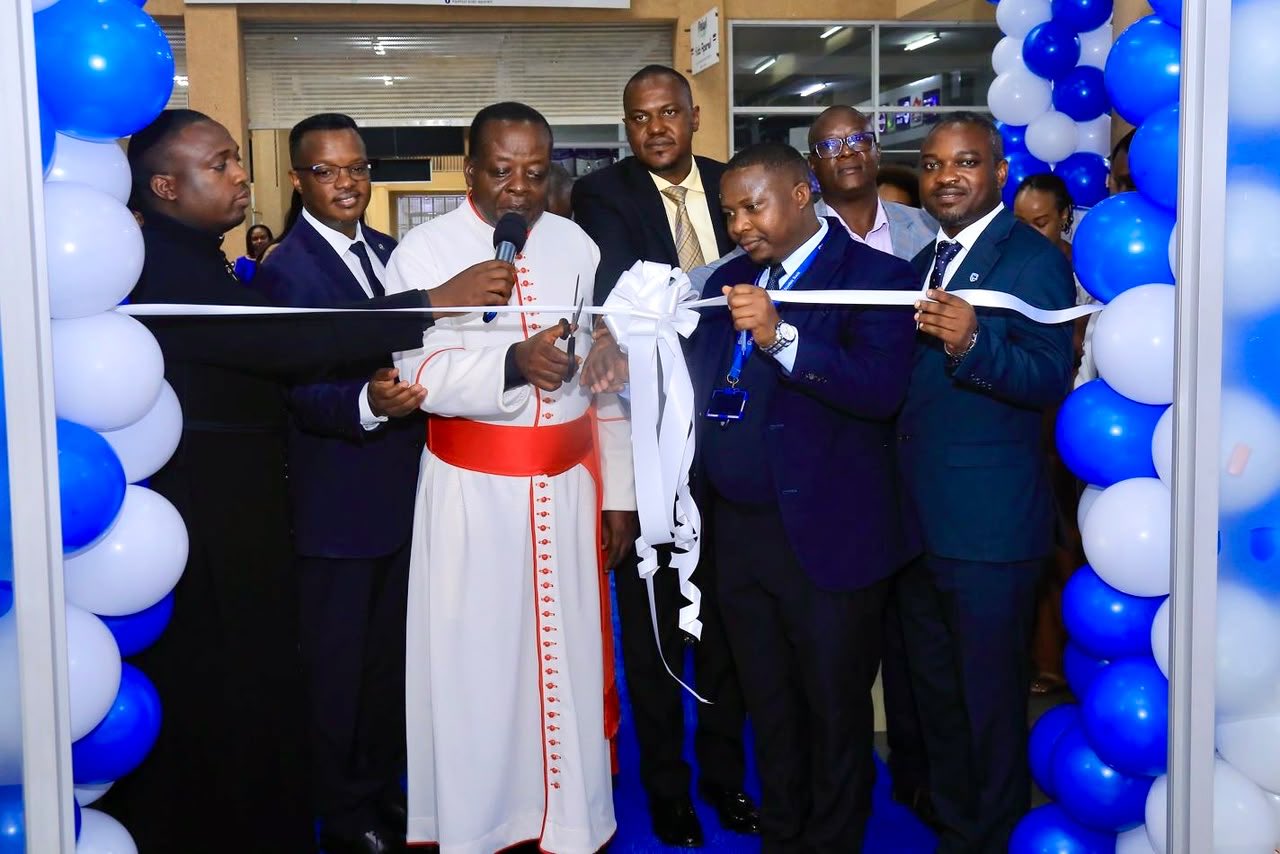
Delegates pose for a group photo at the MOU signing
Kampala, Uganda: Addressing Uganda’s affordable housing challenge requires more than increasing the supply of houses. It calls for strong institutional partnerships that bring together the resources, expertise and financing needed to make homeownership more accessible to Ugandans.
Housing Finance Bank has partnered with the National Housing and Construction Company (NHCC), the National Social Security Fund (NSSF), Shelter Afrique Development Bank and the Amaka Umbrella Fund to sign a Multilateral Memorandum of Understanding that establishes the foundation for Uganda’s inaugural Affordable Housing Project Framework.
The signing took place in the presence of Hon. Judith Nabakooba, Minister of Lands, Housing and Urban Development; Hon. Henry Musasizi, Minister of Finance, Planning and Economic Development; Hon. Lt. Gen. (Rtd) Henry Tumukunde, Minister of Gender, Labour and Social Development; and Hon. Persis Namuganza, Minister of State for Lands, Housing and Urban Development (Housing).
The framework brings together institutions with complementary capabilities in land, housing development, long-term savings, investment and housing finance to establish a more coordinated approach to delivering affordable homes. It also aligns with Uganda’s national development priorities and the Tenfold Growth Strategy, particularly the ambition to stimulate investment, grow the construction sector, create employment and improve livelihoods.
For Housing Finance Bank, the partnership builds on nearly 60 years of experience in housing finance and reinforces its mandate of making housing more accessible through innovative and sustainable financing solutions. Under the framework, the Bank will provide the programme’s banking infrastructure, facilitate project collections, support mortgage liquidity initiatives, finance qualifying homebuyers and contribute its expertise in housing finance and project bankability.

“For many years, Uganda’s housing challenge has been viewed primarily as a construction challenge. Yet housing is much more than building houses. We have land that can be developed, long-term savings, financial institutions, developers with the capability to deliver projects and thousands of Ugandans aspiring to own homes. The challenge has often been connecting these elements in a way that works for all stakeholders. This partnership brings the entire housing value chain together under a shared framework, creating a practical pathway through which affordable housing can be developed, financed, delivered and ultimately owned by Ugandans,” he said.
The need for such an integrated approach is underscored by findings from a survey of 4,141 respondents presented during the engagement. While 95% expressed a desire to own a home, 59% identified saving for a deposit as their biggest challenge, highlighting the financing barriers that continue to limit access to homeownership.
To address some of these barriers, the proposed SMARTLIFE AMAKA model introduces a savings-first, rent-to-own approach that allows families to save towards a deposit, move into a home and make payments that contribute towards ownership. A smaller mortgage could help finance the outstanding balance where necessary.
The framework also provides for different pathways to homeownership, including outright purchase, mortgage financing and tenant purchase arrangements. This recognises that homeownership is not a one-size-fits-all journey and that households require solutions that reflect their different financial circumstances and capacities.
At the engagement, Hon. Lt. Gen. (Rtd) Henry Tumukunde called for closer collaboration between developers, lenders and insurers to explore longer repayment periods and lower upfront deposits. He highlighted the potential of insurance in helping financial institutions offer more flexible financing terms to households that can manage monthly repayments but struggle to raise substantial deposits. He also emphasised the importance of improving awareness of available homes and financing options, alongside ensuring timely project delivery.
The partnership comes at a time when Uganda faces an estimated annual housing demand of 300,000 units against delivery of fewer than 100,000. Beyond increasing housing supply, the framework recognises the importance of sustainable urban planning, efficient land use and adequate infrastructure in developing communities that respond to the country’s growing housing needs.
For Housing Finance Bank, the opportunity lies in connecting housing development with accessible financing, building on nearly 60 years of experience in Uganda’s housing finance sector to ensure that homes developed under the framework are supported by practical solutions that enable qualifying buyers to acquire them.
Beyond expanding homeownership opportunities, the initiative is expected to stimulate investment, support growth in the construction sector, create jobs and strengthen industries linked to housing development. These outcomes reinforce the contribution of affordable housing to Uganda’s broader economic transformation and national development ambitions.
Ultimately, the success of the framework will be measured not simply by the number of houses delivered, but by the number of Ugandans who can access and sustain homeownership.
GOT A HOT STORY? BLOW THE WHISTLE!
Have breaking news, explosive revelations, juicy leads or evidence of wrongdoing?
WE WANT TO HEAR FROM YOU!
Send your tips, documents, videos, photos and audio recordings to:
redpeppertips@gmail.com
Whether it’s corruption, scandals, abuse of office, injustice or stories others are afraid to tell, help us bring the truth to light.
SOURCES ARE PROTECTED.
CONFIDENTIALITY IS OUR NO.1 PRIORITY!
About Post Author