Let’s Bring Parliament Closer to the People, Cheers Deputy Speaker Tayebwa!
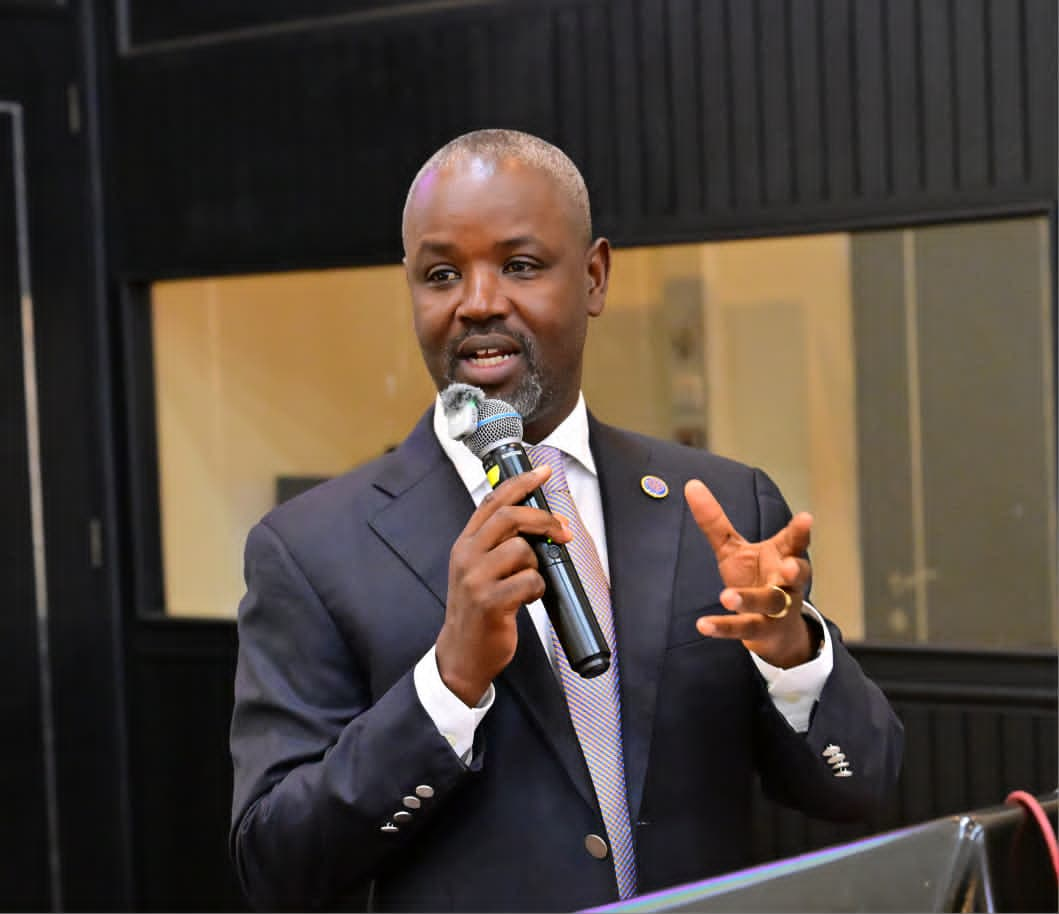
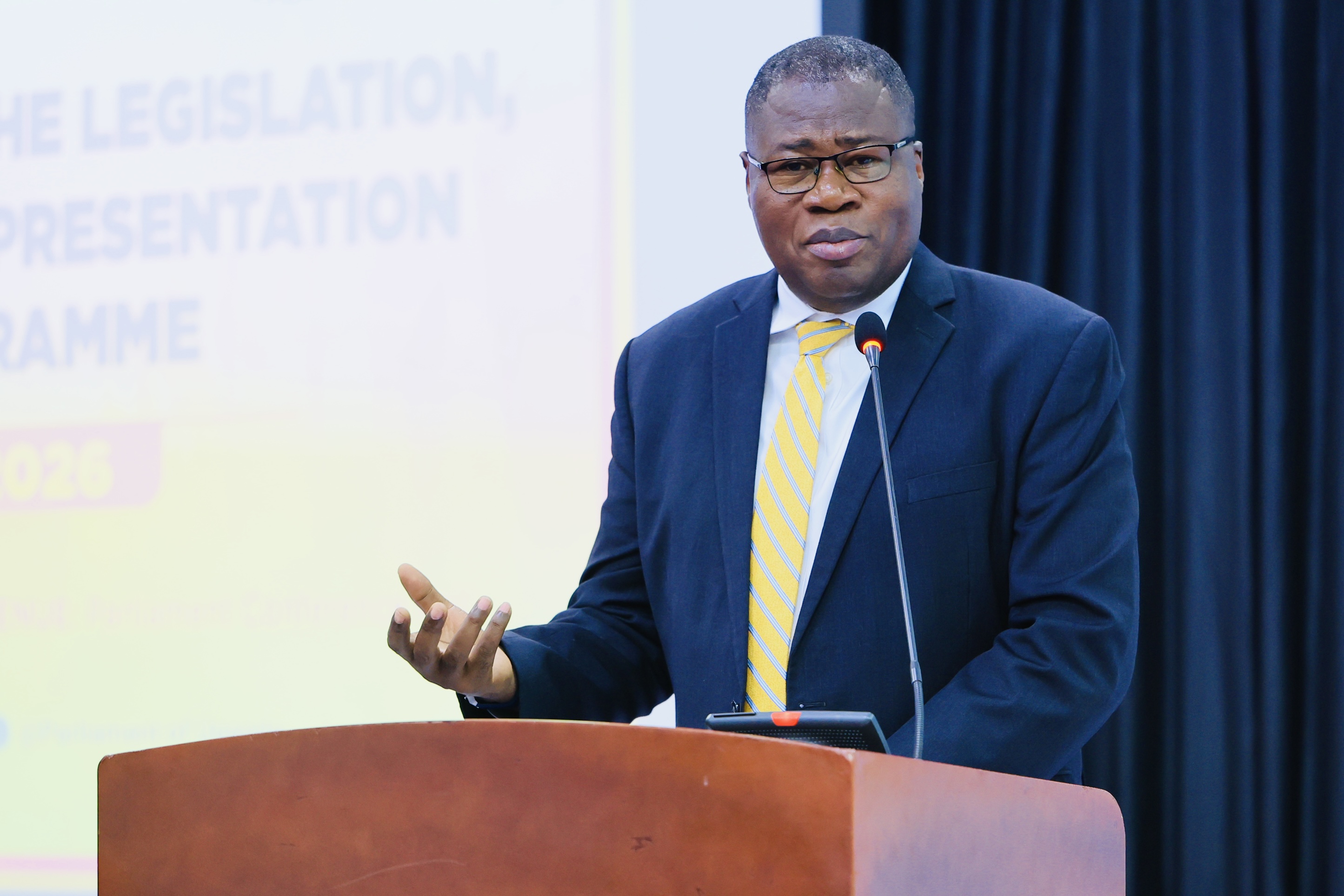
Deputy Speaker of Parliament Thomas Tayebwa has urged parliamentary committee chairpersons to take Parliament closer to the people through regular field visits.
He stated that this initiative could improve legislative debates, strengthen oversight, enhance Parliament’s public image, and help the institution achieve its vision of becoming a “transformed, independent, and people-centered Parliament.”
“Can we take Parliament to the people? That will help improve the image of Parliament. The best way to take Parliament to the people is not for people to come to Parliament,” he remarked.
Tayebwa made these comments on Thursday while opening a quarterly meeting of sectoral committee chairpersons, regional, and zonal whips at Mestil Hotel in Kampala. The meeting, convened by Chief Whip Jane Ruth Aceng, aimed to assess their performance during the first quarter.
He urged committees to visit communities to assess the implementation of government programs firsthand, stating that the information gathered would help MPs make informed decisions when scrutinizing ministerial policy statements.
“Let the committees go to the field. Go and be felt. Going to the field doesn’t mean that you should bring a report to Parliament. No, you will gather information that will enable you to perform your duties effectively when processing ministerial policy statements,” Tayebwa said.
Speaker of Parliament Jacob Oboth-Oboth committed funds that were previously held under his office to parliamentary committees, ensuring they are adequately funded to carry out oversight activities.

Advancing Musevenomics
Tayebwa also urged MPs to play a critical role in translating Musevenomics, Uganda’s homegrown economic philosophy, into laws, budget priorities, and stronger oversight of government programs to accelerate economic transformation.
He emphasized that Parliament should ensure the philosophy transitions from mere political branding to a practical framework that increases production, creates wealth, and improves household incomes.
“Parliament must anchor Musevenomics in law and in the budget,” Tayebwa asserted, identifying legislation, funding, and oversight as key tools for its implementation.
Musevenomics combines market efficiency, strategic government guidance, and social inclusion. Its principles include value addition, industrialization, infrastructure development, regional integration, combating corruption, and human capital development.
Tayebwa outlined five priorities for Parliament: promoting value addition through legislation, funding infrastructure that supports production, strengthening oversight of the Parish Development Model and Emyooga, legislating for land consolidation and tenure security, and championing regional integration to expand markets.
Regarding value addition, he called for Uganda to move away from exporting raw materials and towards processing, packaging, and branding products locally.
“No more export of raw coffee beans, raw dairy, raw minerals. We must roast, grind, process, package, and brand from Uganda,” he stated.
He also emphasized the importance of accountability in government programs, asserting that Parliament must ensure public funds reach their intended beneficiaries and support productive activities.
GOT A HOT STORY? LET US KNOW!
Got breaking news, explosive secrets, or hard evidence?
Email us: redpeppertips@gmail.com
We accept tips, documents, videos, photos, and recordings—the more evidence you have, the better.
CONFIDENTIALITY IS OUR TOP PRIORITY. SOURCES ARE ALWAYS PROTECTED!
About Post Author