SCIENCE-POLICY DISCONNECT! Speaker Oboth Challenges Researchers To Expose Government Failures… Pledges Parliamentary Action, Accountability
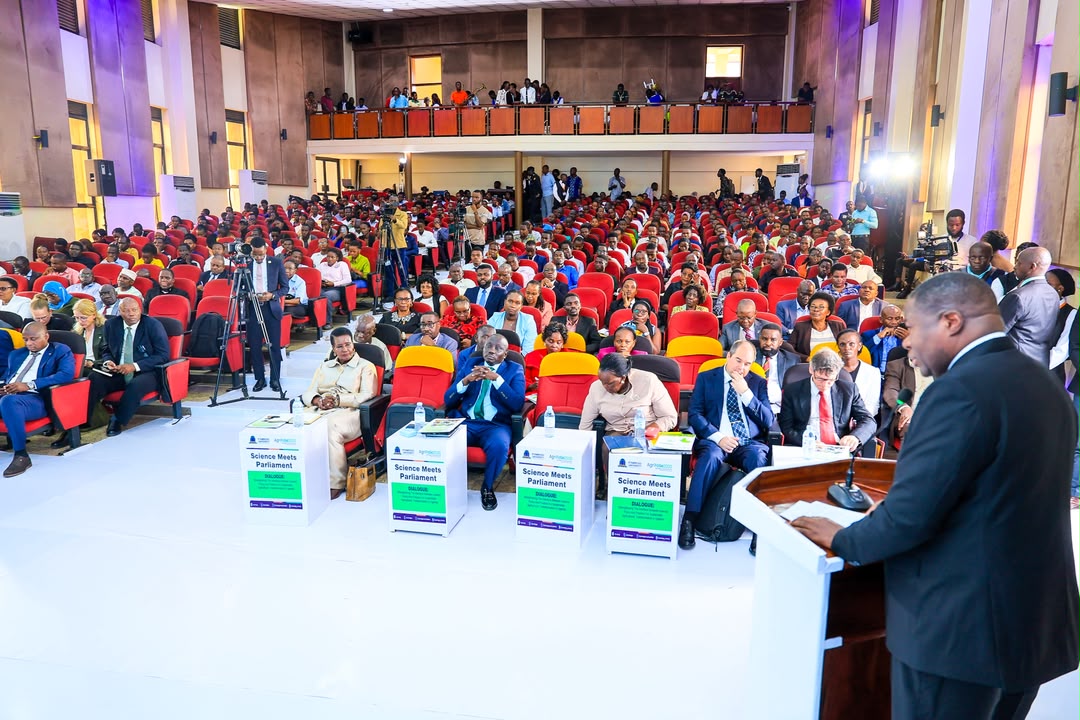
KAMPALA — The Speaker of Parliament, Rt. Hon. Jacob Marksons Oboth, has invited Uganda’s researchers to petition Parliament with evidence of where science fails to reach policy, pledging that the House will find the causes, assign responsibility and pursue accountability.
“We would want to be petitioned and shown where the disconnect is, so that we can address it,” Oboth said on Thursday, November 12, at Kyambogo University, where he was chief guest and keynote speaker at the Science Meets Parliament, a dialogue organised by the AgriFoSe2030 Uganda Hub.
The dialogue is being held under the theme, under the theme “Strengthening the Interface between Science, Policy and Practice for Sustainable Agricultural Transformation in Uganda.”
The Speaker said he had passed up an African Parliamentary Union meeting of Speakers in Lomé, Togo, to attend.
“My coming here is to let you know that we value this engagement,” he said.
Vice-Chancellor Prof. Elly Katunguka told the gathering that Oboth was the first Speaker to visit Kyambogo since its founding in 2003. The Speaker had a reply: “It could also be possible that I am the first Speaker to be invited.”
From think tanks to action tanks
Oboth said Uganda does not lack policies, expertise or research institutions. What it lacks is an understanding of why research, policy, resource allocation and implementation fail to connect.
“We have many think tanks. Perhaps it is time to develop action tanks,” he said, urging scientists to package findings as actionable policy proposals rather than academic conclusions. He quoted Benjamin Franklin: “Well done is better than well said.”
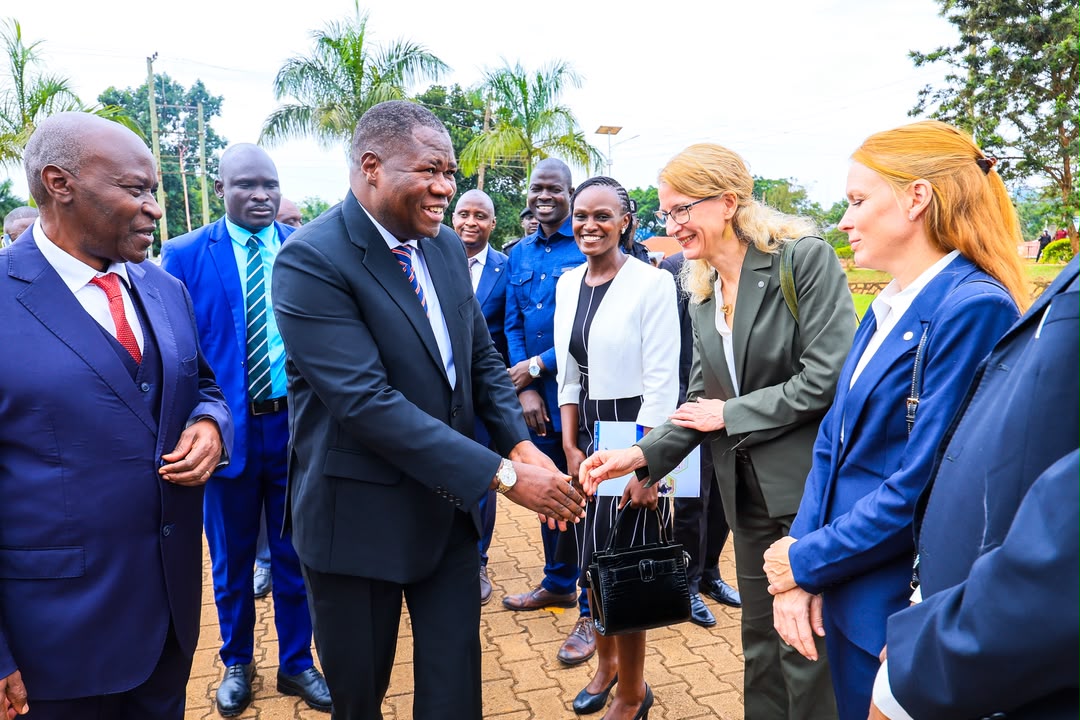
The Speaker committed to working through parliamentary committees, using Parliament’s oversight, budget and legislative powers to “examine, prevent and fix these bottlenecks.” He introduced members of the committees on Agriculture and on Science, Technology and Innovation, six from each, all of whom attended.
He returned repeatedly to the farmer in Tororo, Bushenyi, Gulu, Arua and Mawokota. “If we fail the farmer, we ultimately fail ourselves, because a country that cannot feed itself puts its own future at risk,” he said.
A university that cannot spend fast enough
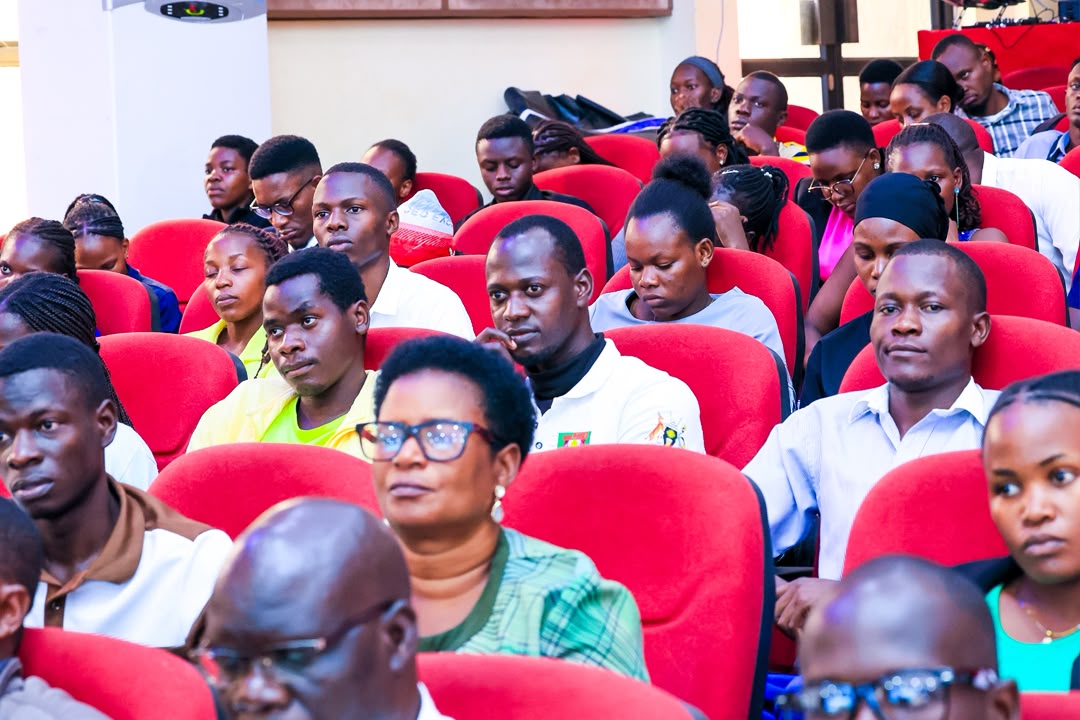
Katunguka used his remarks to lay out Kyambogo’s case. The university started an internal research grant scheme around 2018 with Shs1 billion of its own revenue. This year the Government added Shs3 billion, raising the fund to Shs4 billion.
The windfall brought its own problem. With Shs2 billion due for release in February and accountability required by June, he said, the money cannot be spent well in one year, and it had already drawn a query when the university appeared before Parliament’s accountability committee. He asked for a multi-year research fund.
“When you have somebody who was starving, you don’t introduce a lot of food all of a sudden,” he said.
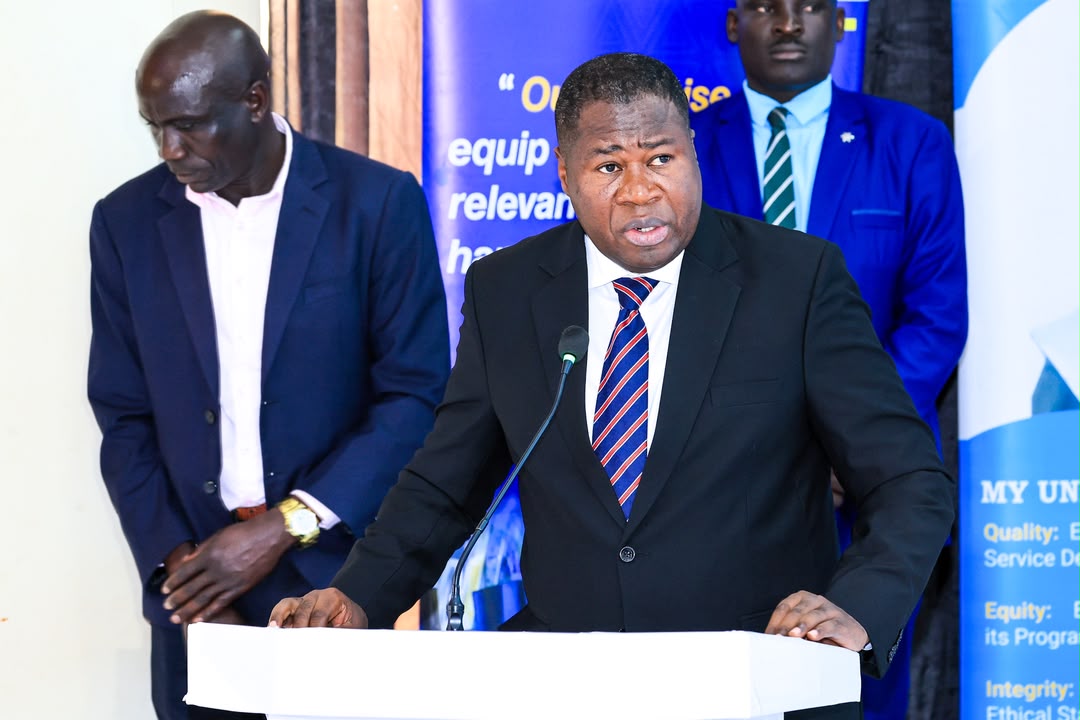
Oboth picked up the image. The problem, he said, was years of neglect of research. “We shall see how to help Kyambogo get used to too much food.”
The Vice-Chancellor also said public universities are staffed at only 34 to 35 percent of their requirement, and Kyambogo struggles to keep engineers with PhDs, who earn more in the private sector. He proposed a parliamentary science-policy dialogue platform and a centre of excellence for science translation at Kyambogo.
“In the past, university lecturers were told, publish or perish,” he said. “We are now changing focus to make sure the research we do is taken up by communities.”
“Knowledge alone does not create change”
Prof. Elisabeth Rajala, Programme Director of AgriFoSe2030, said the programme, led by the Swedish University of Agricultural Sciences and funded by Sida, marks ten years this year. It has three regional hubs in Uganda, Kenya and Zimbabwe, with the Uganda hub co-managed by Kyambogo and Gulu universities.
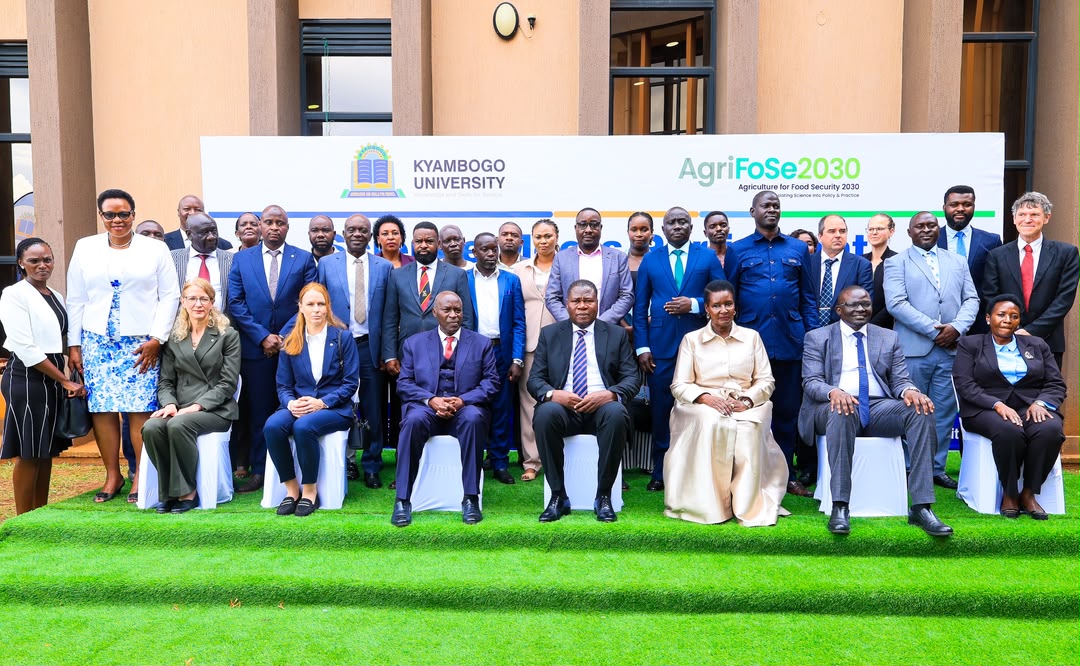
“Too often, knowledge remains in scientific publications rather than reaching policymakers, farmers and communities,” she said.
She added: “It is when knowledge is shared, understood and put into practice that it makes a difference.”
Echoing the hub’s Dr. Judith Nagasha, Rajala said the next step was not to generate more knowledge but to build lasting mechanisms that turn it into action. She welcomed the proposed centre of excellence, saying it could become a national and regional resource with Parliament as a strategic partner.
GOT A HOT STORY? BLOW THE WHISTLE!
Have breaking news, explosive revelations, juicy leads or evidence of wrongdoing?
WE WANT TO HEAR FROM YOU!
Send your tips, documents, videos, photos and audio recordings to:
redpeppertips@gmail.com
Whether it’s corruption, scandals, abuse of office, injustice or stories others are afraid to tell, help us bring the truth to light.
SOURCES ARE PROTECTED.
CONFIDENTIALITY IS OUR NO.1 PRIORITY!
About Post Author