UGANDA’S TOURISM CROWN! Fort Portal’s Hidden Secrets Exposed… 4 National Parks, 50+ Crater Lakes, Royal Kingdom, Mystical Caves & Mountains Of The Moon
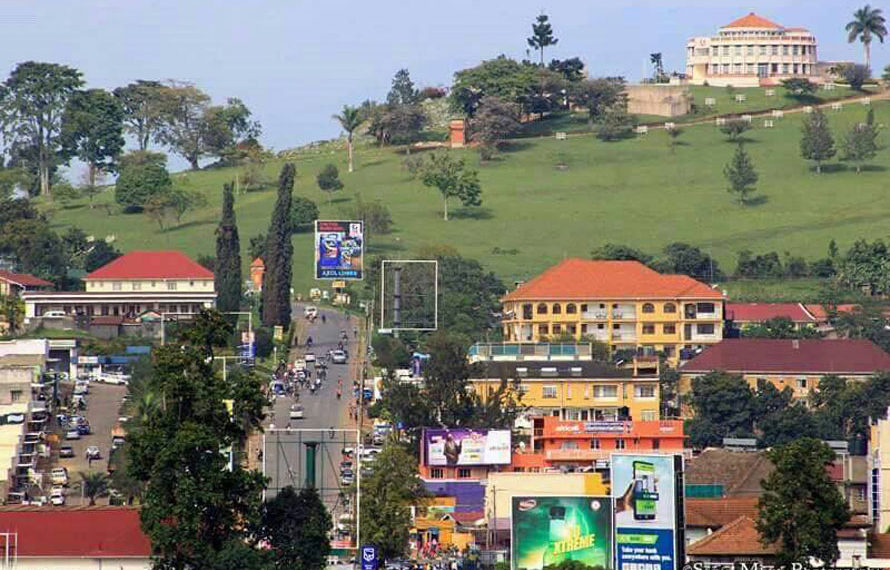
Fort Portal is Uganda’s Tourism City and one of the country’s most rewarding bases for exploring western Uganda. Sitting in the foothills of the Rwenzori Mountains, the city places travelers within easy reach of some of Uganda’s most remarkable natural and cultural attractions, from crater lakes and rainforest to chimpanzees, wildlife parks and the historic Tooro Kingdom.
What makes Fort Portal particularly important is its location. From the city, travelers can explore Kibale National Park, one of Africa’s best destinations for chimpanzee tracking, as well as Queen Elizabeth National Park, the Rwenzori Mountains National Park, Semuliki National Park and the Crater Lakes Region, a remarkable landscape filled with more than 50 crater lakes. Few places in Uganda offer such a wide mix of wildlife, scenery, adventure and culture within such a manageable area.
Fort Portal is also more than a convenient stop between attractions. It is the center of the Tooro Kingdom, with its royal history, traditions and cultural sites adding another layer to the destination. Around the city, visitors can explore crater lakes, waterfalls, caves, tea plantations, forests and communities, making it possible to build an entire Uganda experience around Fort Portal rather than simply passing through it.
For travelers planning a Uganda itinerary, Fort Portal deserves serious attention. Whether your priority is chimpanzee trekking, mountain scenery, crater lakes, wildlife, cultural experiences or simply discovering a quieter side of the country, the Tourism City puts many of these experiences within reach.
Why Fort Portal Wears the Crown of “Tourism Capital”
Fort Portal takes its name from Sir Gerald Herbert Portal, the British special commissioner sent to Uganda in the 1890s to assess whether the country should become a British protectorate. He based his operations in the west, and the fort that once stood there eventually gave the town its very English-sounding name making it something of an outlier among Uganda’s largely indigenous place names.
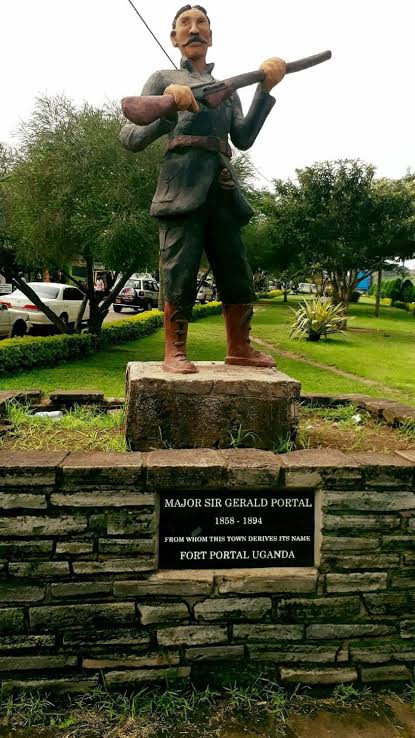
Today his statue still stands along the town’s main road, a small nod to a colonial footnote in a place that has otherwise built its identity around something much older.
In 2020, the Ugandan government formally elevated Fort Portal from municipality to city status and, alongside that, crowned it the country’s official Tourism City. The reasoning wasn’t sentimental it was geography.
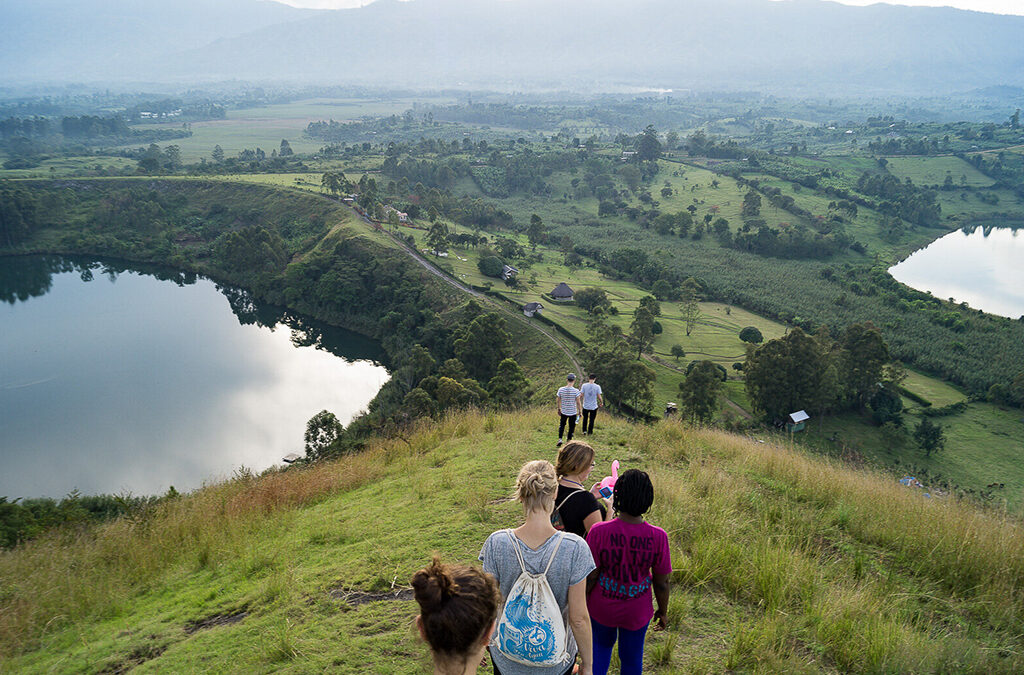
Fort Portal sits within striking distance of Kibale National Park, Semuliki National Park, the Rwenzori Mountains National Park, and Queen Elizabeth National Park, and it does so while surrounded by a cluster of more than fifty crater lakes packed into a radius small enough to explore in a single day.
No other town in Uganda offers that kind of density. Add in a genuinely walkable, clean, well laid out town center, reliable banking and connectivity, and tarmacked roads running out to nearly every major attraction, and you can see why the government bet on Fort Portal as the anchor point for western Uganda’s tourism circuit.
It also happens to be the seat of the Tooro Kingdom, one of Uganda’s five constitutionally recognized traditional kingdoms and that royal identity is not a footnote here. It’s the town’s backbone.
The Kingdom at the Center of It All
The Tooro Kingdom, known formally as Tooro or Toro, broke away from the older Bunyoro Kingdom generations ago and built its own royal line, the Babiito dynasty, with its monarch carrying the title Omukama.
For most of the last three decades, that throne belonged to one of the most recognizable royal figures in the world, King Oyo Nyimba Kabamba Iguru Rukidi IV, who became the planet’s youngest reigning monarch at just three years old in 1995, after the sudden death of his father, King Olimi III.
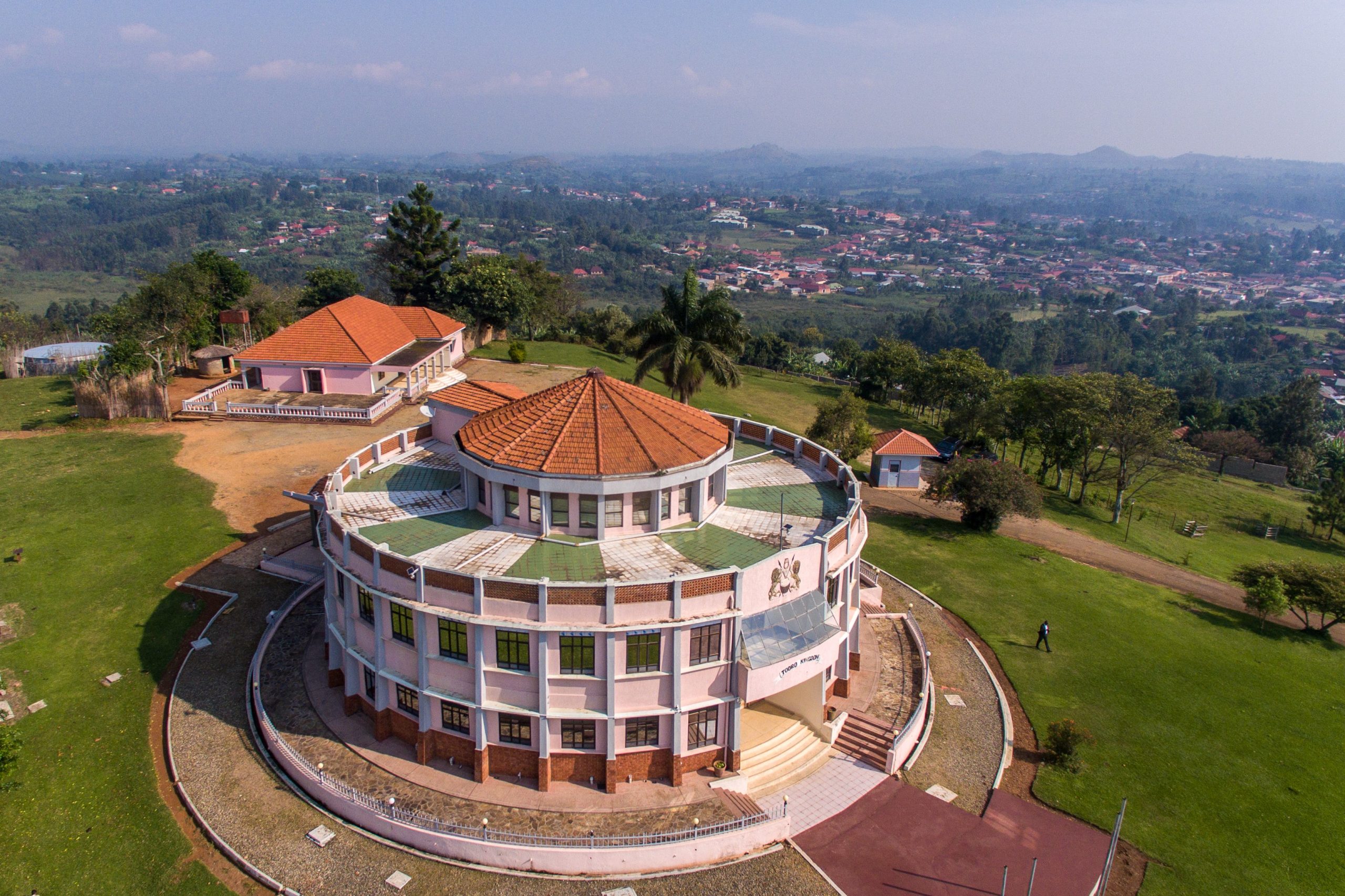
He grew into the role in public, guided in his early years by regents including his mother, and later became a familiar presence in Ugandan public life, associated over the years with education, health, environmental conservation, and tourism initiatives close to his kingdom’s heart.
That long reign came to an end on the night of August 27, 2026, when King Oyo died at the age of 34 while receiving treatment for cancer in the United States, following weeks of health rumors the kingdom had initially downplayed.
The announcement, delivered by Tooro’s Prime Minister, Calvin Armstrong Rwomiire Akiiki, described it as an “immeasurable loss” to the royal family, Tooro, and the nation. Condolences poured in from Uganda’s other traditional kingdoms, and flags were lowered in tribute across the region.
What followed his death has turned into one of the most closely watched succession stories in Uganda’s recent history.
Amabere Ga Nyina Mwiru the Legend Carved into Stone
Long before any of this year’s headlines, Fort Portal was already home to one of Uganda’s oldest and strangest legends, preserved not in a museum but inside a set of dripping limestone caves just a few kilometers outside town.
The story goes back to the era of the Batembuzi and Bachwezi dynasties, generations before the Babiito line that rules Tooro today. Nyina Mwiru was the daughter of a king named Bukuku, and according to the tale, a seer warned that she would bear a son destined to overthrow her father’s throne.
To prevent that prophecy from ever taking shape, Bukuku had his daughter’s breasts cut off the thinking being that without them, no man would ever desire her, and she would never bear a child at all. He then hid her away inside a cave to make certain of it.
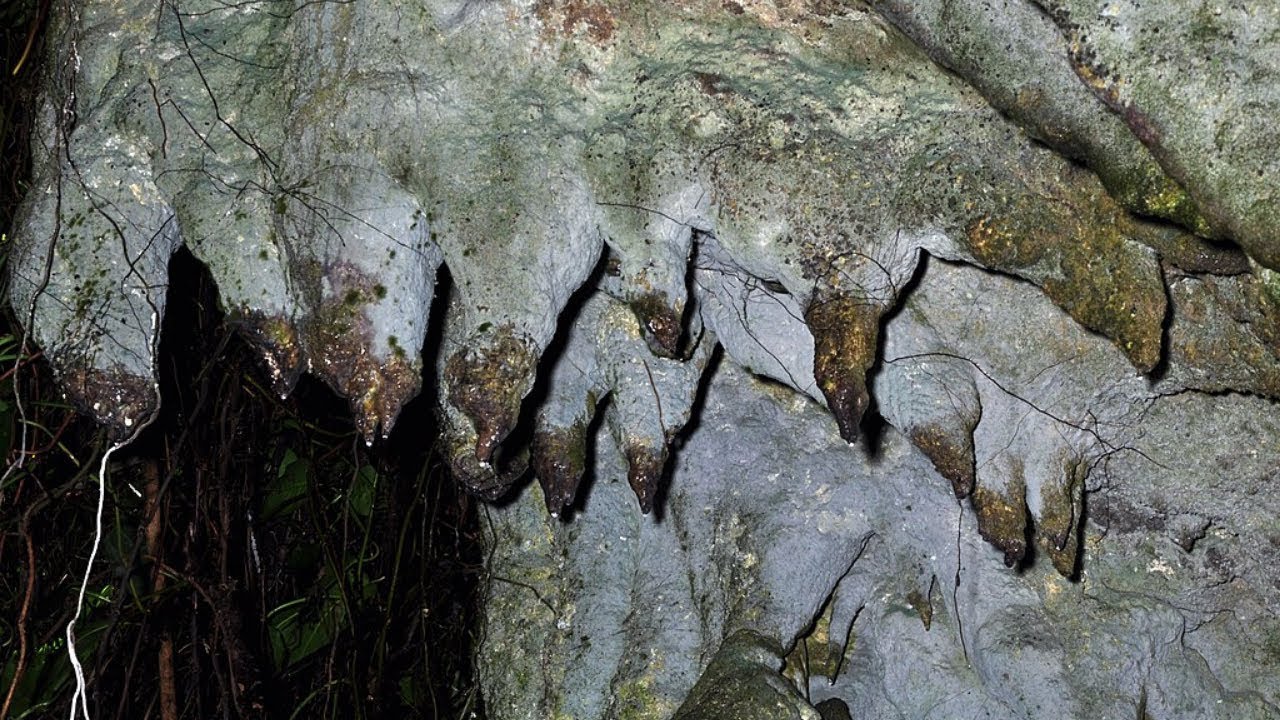
The plan failed. Despite everything done to disfigure and conceal her, Nyina Mwiru became pregnant by King Isaza of the Batembuzi, and gave birth to a son named Ndahura inside that same cave.
With no way to nurse her newborn, legend says she turned to what looked like milk dripping steadily from the cave’s stalactites moisture made milky-white by the limestone’s high calcium content and used it to keep her child alive.
Ndahura grew up and, just as the prophecy foretold, went on to seize the throne from Bukuku, later founding one of the great early empires of Africa’s Great Lakes region.
Geologically, what you’re looking at inside the caves is nothing supernatural mineral-rich water dripping over thousands of years, forming stalactites and stalagmites that happen to resemble breasts, which is exactly where the name Amabere Ga Nyina Mwiru, “the breasts of Nyina Mwiru,” comes from.
But the Batooro people have carried this story for generations, and it remains one of the region’s most spiritually significant sites, with some locals believing the caves still hold the presence of ancestors.
Visitors today can combine the folklore with the natural setting a waterfall tumbling past the cave mouth, a cold plunge pool at its base for anyone brave enough to swim in it, and a network of nearby crater lakes and forest trails that turn a quick cultural stop into a half-day outing.
The National Parks Fort Portal Puts Within Reach
No other town in Uganda hands you this many parks on a plate.
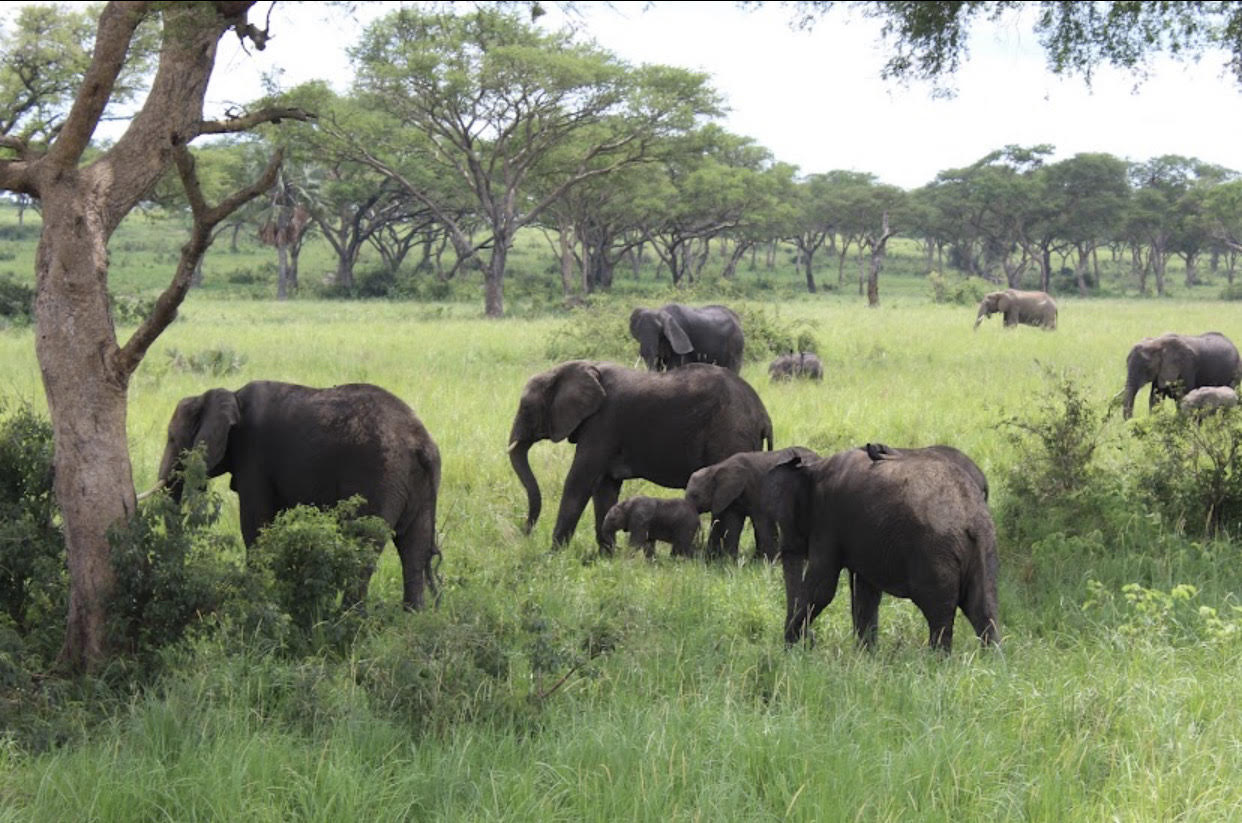
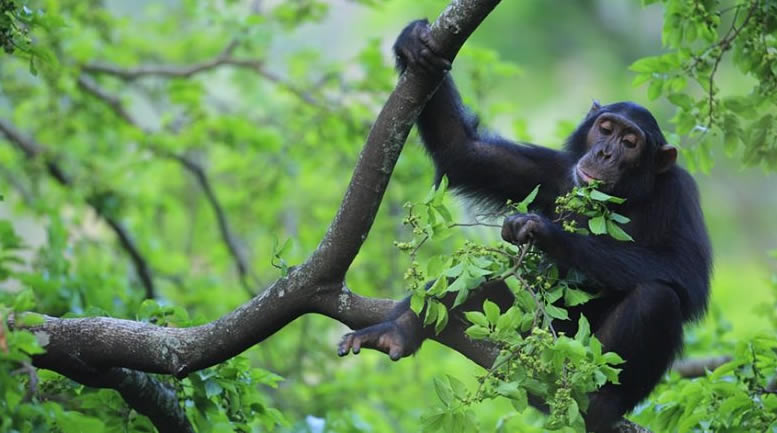
The Primates capital of East Africa, Kibale National Park, roughly 30 kilometers and under an hour’s drive from town, is widely regarded as the best place on the continent to track wild chimpanzees, thanks to an unusually high density of habituated primates alongside forest elephants and well over 300 recorded bird species. Pair a chimp trek here with a walk through the nearby Bigodi Wetland Sanctuary and you’ve covered primates, birds, and wetland ecology in a single morning.
The less known Semuliki National Park and Toro Semliki Reserve are located roughly an hour’s drive away. Semuliki National Park that is famous for the hotsprings sits right on Uganda’s border with the Democratic Republic of Congo, is a lowland rainforest outlier this far east a genuine slice of Congo Basin habitat, home to over 50 mammal species and more than 400 recorded bird species. Its Sempaya Hot Springs, bubbling and steaming out of the forest floor, are one of the more surreal natural sights in the country.
The Rwenzori Mountains National Park, about an hour’s drive out, holds the legendary “Mountains of the Moon” a snow-capped range sitting almost directly on the equator, and a UNESCO World Heritage Site prized by serious trekkers for multi-day climbs through alpine bogs, moss-draped forest, and glacial peaks that few visitors to Uganda ever attempt but that reward the ones who do.
Uganda’s most visited destination, Queen Elizabeth National Park, roughly two hours away via Kasese, brings the classic savanna safari into range tree-climbing lions in the Ishasha sector, boat cruises along the wildlife-dense Kazinga Channel, and some of the best game viewing anywhere in Uganda.
Between those four parks and the Crater Lake district ringing the town itself including well-known stops like Lake Nyinambuga and Lake Nkuruba, some of which host hippos that wandered up from the Kazinga Channel generations ago Fort Portal genuinely earns its reputation as a base camp rather than a destination people simply pass through.
What to Actually Do While You’re there?
Chimpanzee trekking in Kibale, ideally combined with a nature walk through Bigodi Wetland for monkeys and birdlife.
Hiking or climbing in the Rwenzori Mountains, from short day hikes with sweeping valley views to multi-day treks toward the glaciers.
Soaking in Sempaya Hot Springs in Semuliki, after a walk through genuine lowland rainforest.
Canoeing or swimming in the crater lakes, several of which are ringed by walking trails and small lodges built specifically for the view.
Touring Karuziika Palace and the Karambi Royal Tombs, the resting place of several former Omukamas of Tooro, complete with the ceremonial drums, spears, and personal effects buried alongside them.
Visiting the Tooro Botanical Gardens, a quieter stop built around indigenous plants and an organic farming project growing herbs, flowers, and medicinal plants.
A boat cruise on the Kazinga Channel, an easy add-on once you’ve made the drive out to Queen Elizabeth National Park.
A city and food tour of Fort Portal itself, still regularly cited as one of the cleanest, most walkable towns in the country.
GOT A HOT STORY? BLOW THE WHISTLE!
Have breaking news, explosive revelations, juicy leads or evidence of wrongdoing?
WE WANT TO HEAR FROM YOU!
Send your tips, documents, videos, photos and audio recordings to:
redpeppertips@gmail.com
Whether it’s corruption, scandals, abuse of office, injustice or stories others are afraid to tell, help us bring the truth to light.
SOURCES ARE PROTECTED.
CONFIDENTIALITY IS OUR NO.1 PRIORITY!
About Post Author