The Fall of a Queen: Teddy Acham’s Humbling at Soroti NRM Polls
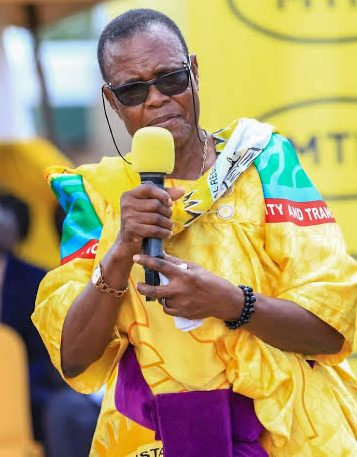
In what has been dubbed the political spectacle of the season, Teddy Acham, the once-vibrant NRM mobiliser of Soroti City, was left drenched in political embarrassment after a stunning defeat in the structural elections of the NRM Elders League.
Vying for the Secretary for Publicity position, Acham entered Soroti Senior Secondary School polling station like a monarch returning to reclaim her throne.
Draped in a glowing yellow gomesi, crowned with a bold yellow beret, and strutting in silky-pointed kakondo shoes that clicked with regal intent, she bounced into the arena with the air of a sure victor.
Around her neck, a shiny golden like necklace danced in the sun, a symbol of confidence—no, conviction—that she had the numbers. It was an entrance fit for royalty.
Historians would have mistaken her for a modern-day Marie Antoinette—only this time, the guillotine was the ballot box.
But as the whistle blew and the votes were cast, the crowd revealed its true colors.
In a landslide verdict that shook the school walls, Stephen Enou stormed ahead with a commanding triumph security 98% votes, leaving Acham with a paltry 6 lonely votes, each one more painful than the last. Even her own loyalists, standing behind her with downcast eyes, bore the posture of defeat long before the results were read.
The once-glamorous strut gave way to shaky steps. Her bounce turned to a slump. Tears welled in her eyes as the reality dawned—this was not her moment.
Disappearing into thin air, she left behind whispers, laughter, and the bitter scent of electoral rejection.
But the people of Soroti had spoken—and they had spoken loudly. Their message? The NRM must grow, not glow. Voters cited a desire for genuine leadership and fresh ideas, turning their backs on what they described as performative politics and misplaced pride.
Many were heard murmuring that any candidate receiving the kiss of endorsement from Acham might as well prepare for defeat.
In Soroti, this was not just an election—it was a revolution in yellow. A reminder that political flamboyance without grassroots substance will always be exposed under the unforgiving light of democracy.
The will of the people had triumphed, and in doing so, had drawn a bold line in the political sands of Teso.
About Post Author