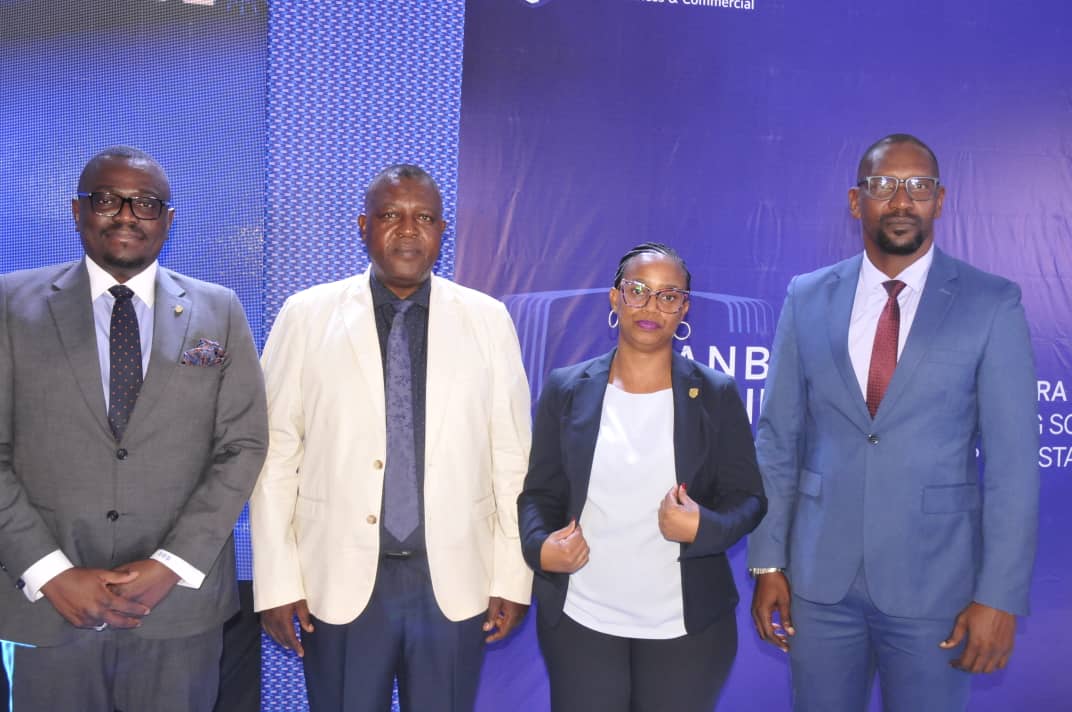
UNEB IN EXAM CRISIS! Billions Gap, Idle Assets & System Failures Exposed as Odongo’s Board Faces Heat

Uganda’s national examinations body is under intense scrutiny after a damning Auditor General’s report exposed deep cracks in planning, procurement, financial management and system preparedness at the Uganda National Examinations Board — raising serious concerns about whether the institution entrusted with shaping the country’s academic future is itself failing its own test.
At the centre of the storm is Executive Secretary Dan Nokrach Odongo, who has led UNEB since April 2016 and is now facing mounting pressure over a string of operational gaps flagged in the December 2025 audit.
The report paints a picture of an institution juggling big responsibilities with uneven execution, where some progress is evident but critical weaknesses threaten to undermine efficiency and long-term credibility.
One of the most glaring red flags is the persistence of domestic arrears amounting to UGX 1.244 billion — debts that have remained unpaid since the 2022/2023 financial year.
For an institution that manages billions and oversees national examinations, the failure to clear long-standing arrears raises questions about financial discipline and prioritisation.
“These arrears have been outstanding since the FY 2022/2023,” the report notes, a clear signal that the issue has not been treated with urgency.
Procurement performance also fell short of expectations. UNEB had planned to execute procurements worth UGX 60.342 billion during the 2024/2025 financial year, but only contracts worth UGX 42.787 billion were actually awarded.
This translates into an implementation rate of just 71 percent — a gap that suggests delays, inefficiencies or bottlenecks in executing planned activities.
For a body that relies heavily on timely procurement to deliver exams, print materials and manage logistics, such shortfalls can have ripple effects across the entire education system.
Yet amid the criticism, the report acknowledges areas where UNEB delivered.
A total of 65,959 Senior Three and Senior Four teachers were trained in Continuous Assessment out of a target of 67,000 — a near-complete achievement that demonstrates commitment to education reforms.
But even this success is overshadowed by systemic weaknesses that could derail progress.
Perhaps most alarming is UNEB’s failure to implement a Business Continuity and Disaster Recovery System.
In an era where examination bodies worldwide are digitising and safeguarding their operations against disruptions, the absence of such a system leaves Uganda’s exam processes exposed.
“If anything goes wrong, there is no clear recovery mechanism,” an education analyst observed, telling Red Pepper that this gap could have serious consequences in the event of system failure or crisis.
The financial strain becomes even more evident when looking at the broader strategic picture.
UNEB’s five-year strategic plan required UGX 883.1 billion to fully implement, but only UGX 679.2 billion was released — leaving a funding gap of UGX 203.9 billion, or 23 percent.
This shortfall has inevitably constrained operations and limited the Board’s ability to fully deliver on its mandate.
However, questions are also being asked about planning efficiency.
Despite the funding challenges, UNEB had not finalized a new draft strategic plan aligned to the National Development Plan IV by its scheduled start date of July 1, 2025.
The delay in aligning with national priorities has now raised concerns about whether the Board is keeping pace with the country’s broader education and development agenda.
“This resulted in delayed alignment with national priorities,” the report states, highlighting a lag that could have long-term implications.
Even routine reporting has not been spared.
Quarterly performance reports were submitted late across all four quarters — by 21 days in the first quarter, 26 days in the second, 9 days in the third and 4 days in the fourth.
While the delays reduced over time, auditors say the pattern reflects weak internal coordination and accountability mechanisms.
More troubling is the absence of a structured Monitoring and Evaluation framework.
The Board did not have an annualised M&E system, and no specific M&E reports were produced — effectively leaving a blind spot in tracking performance and outcomes.
“How do you improve what you don’t measure?” one observer asked, pointing to a critical gap in performance oversight.
Asset management also came under fire.
Assets worth UGX 226 million were found lying idle, with no documented procedures for monitoring their utilisation.
There were no usage logs, no downtime reports, and no performance indicators — meaning valuable resources could be sitting unused while needs elsewhere go unmet.
“This indicates weaknesses in asset management,” the audit implies, exposing inefficiencies that could easily be avoided with proper systems.
Taken together, the findings present a mixed but worrying picture.
On one hand, UNEB is pushing forward key reforms like continuous assessment training. On the other, it is grappling with financial gaps, delayed planning, weak systems and underutilised resources.
For Dan Nokrach Odongo and his team, the message from the Auditor General is loud and clear.
The Board may be grading millions of students every year — but now, it is the one being graded.
GOT A HOT STORY? EMAIL: redpeppertips@gmail.
SOURCE PROTECTION/CONFIDENTIALITY IS OUR NO.1 PRIORITY.
About Post Author