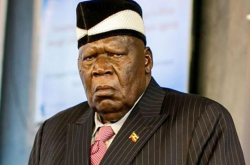
Nile Aluminium Company Boss, 16 others Charged with Terrorism over Electricity infrastructure Vandalism

17 Slapped with Treason Charges Over Electric Infrastructure Vandalism
Robert Nirere, a supervisor at Nile Aluminium Limited, a company which produces aluminium household products like saucepans and kettles has been charged with terrorism with 16 others in the Nakawa Chief Magistrates Court, Kampala for orchestrating widespread vandalism of Uganda’s crucial electricity infrastructure.
Nirere alias Kanyamunyu’s arrest resulted from a concerted joint operation by various security agencies and the Uganda Electricity Distribution Company Ltd (UEDCL), aimed at stemming a tide of economic sabotage that has plagued the nation.
While charges of terrorism were formally read, they were not allowed to plead as terrorism offences are exclusively triable by the High Court. Investigations into the matter are ongoing, and the suspects have been remanded to Luzira Prison until July 17, 2025.
Prosecutors allege that between 2022 and May 2025, Nirere along with others still at large, deliberately targeted electricity installations across several districts, including the Kampala Metropolitan Area, Luweero, Nakasongola, Mityana, Kiboga, and Mubende. These acts of vandalism, which included cutting down power transmission poles with power saws, were allegedly committed with the intent to intimidate the public and exert influence on the government for political, social, and economic gains.
The consequences of this sabotage have been severe, leading to extensive power disruptions that have impacted vital facilities such as Luweero Industries and Nakasongola Military Hospital. This has resulted in widespread load shedding, substantial replacement costs for UEDCL (estimated at over Shs3 billion in recent months), and significant inconvenience to both domestic and commercial electricity users.
In a strong condemnation of the vandalism, President Yoweri Museveni personally intervened, directing the Chief of Defence Forces, Gen. Muhoozi Kainerugaba, to establish an inter-agency security committee to decisively address the threat.
The arrests of the 17 suspects followed intelligence-led operations, with some individuals reportedly caught red-handed. These actions underscore a broader government commitment to safeguard Uganda’s electricity infrastructure and ensure a stable and reliable power supply for national development.
It should be noted that Companies purchasing stolen electricity infrastructure materials face severe penalties under Uganda’s Electricity (Amendment) Act, 2022. The law imposes hefty fines and imprisonment for those found guilty of buying or possessing stolen electricity equipment, with the aim of curbing vandalism and theft of power infrastructure.
This law significantly strengthens penalties for vandalism and theft of electricity infrastructure, including the purchase of stolen materials.
A fine of up to Shs400 million (20,000 currency points) or a prison sentence not exceeding 10 years, or both, can be imposed on companies found to have purchased stolen electricity equipment.
Individuals found to have received vandalized electricity materials, or anyone who benefits from the theft, face a potential 12-year jail sentence, a fine of 50,000 Currency Points (1 billion shillings).
Repeat offenders face even steeper penalties: 15 years imprisonment or 100,000 Currency Points (2 billion shillings), or both, according to ChimpReports.
Purpose:
The law aims to deter theft and vandalism, protect vital electricity infrastructure, and ensure a reliable power supply.
Implementation:
The law empowers security agencies to investigate, arrest, and prosecute offenders, according to ChimpReports.
Scope:
The law also addresses the issue of electricity theft from the public network, targeting individuals who steal or facilitate the theft, and those who benefit from it, according to the Food and Agriculture Organization.
About Post Author