Uganda at 64: Reviving the Grandparents’ Movement and Social Reflections as We March Towards 100
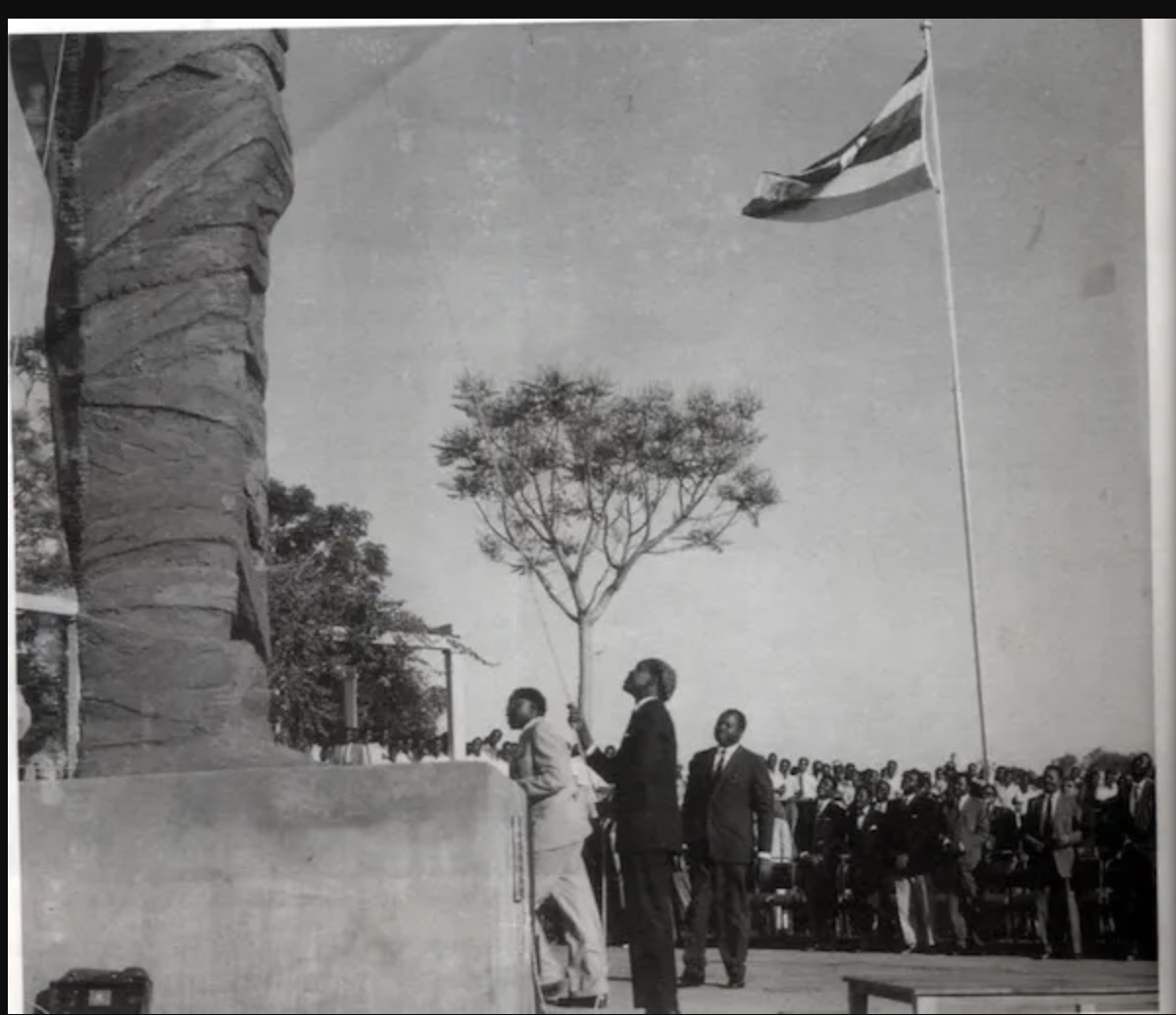
An Independence Day Reflection
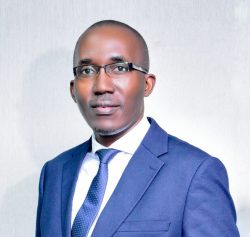
By Simon Sigirenda
Are We Independent?
Every year, as Uganda marks its 64th Independence anniversary, a common question arises in homes, taxis, bodabodas, and villages: Are we truly independent? This inquiry extends beyond flag and anthem to encompass the quality of our social support system, our care for children, education for youth, and health protection.
To illustrate, let us consider a simple analogy. In Uganda today, at 64, a man or woman may have just retired from public service—among the few who have enjoyed the national cake. Society expects this individual to serve as a role model, a source of inspiration and knowledge. Many Ugandan men are now marrying in their early 30s. Thus, Uganda at 64 resembles a fresh grandfather, cradling a grandson or granddaughter. What, then, is the role of a grandparent?
The Imagery of a Grandparent: Uganda at 64
A grandparent is expected to be close to their grandchildren, imparting important life lessons, sharing good memories, and perhaps writing a book about their experiences. The question arises: How has Uganda at 64 ensured that the lessons of its eventful adulthood are documented so that costly past mistakes are not repeated? Uganda at 64 should have produced a book highlighting its life lessons to mentor younger generations.
At 64, the grandparent expresses gratitude to God (for believers) for the graces of life, embracing a slow yet purposeful existence while battling the temptation of regret—the “What if?” landscape. We must avoid being trapped in a cycle of past history. Once water has flowed over the Jinja Nile Bridge toward the Mediterranean Sea, it never returns to the Source of the Nile. Beyond the grandfather at 64, what should define our path as we approach 100 years? Citizens who are 45 today will be 80 when Uganda celebrates its centenary in 2062.
Quick Reflections on Education and Health
Education: The Case for a Uganda Education Services Regulatory Authority (UESRA)
Drawing from my 14 years as a key stakeholder in Uganda’s education system, there is a pressing need to operationalize the Uganda Education Services Regulatory Authority (UESRA). While circulars and guidelines are frequently issued in education, implementation remains a challenge. Long-standing concerns surrounding school governance—including school fees and management issues—persist. In contrast, sectors with effective regulatory regimes, such as telecommunications (UCC), have achieved positive outcomes despite challenges. A regulatory authority would help consolidate gains in the education sector while addressing key stakeholder concerns.
A few years ago, the Ministry of Education commissioned the Education Policy Review Commission. Its recommendations were bold, with transformative potential; however, implementation has been sluggish. A stitch in time saves nine. The Ministry of Education should transition swiftly from policy recommendations to practical implementation.
Notably, enrolment in primary schools has surged from 2.5 million in 1997, following the introduction of Universal Primary Education (UPE), to over 8.5 million today. However, completion rates remain low, at about 32%. The pathway from primary to tertiary education needs further streamlining.
The new Competency-Based Curriculum (CBC) is a step in the right direction. The perception of vocational education as an option for school failures is fading; many fresh university graduates are now enrolling in skills training courses to enhance their marketability.
Health: Prevention, NCDs, and the HIV/AIDS Promise
Post-Uganda at 64, priorities should focus on maternal and child health, particularly improving survival rates for mothers and children in their first hours of life. Greater attention to preventive medicine is essential. As the saying goes, health is nurtured at home but repaired in hospitals. The recent graduation and deployment of community health extension workers (CHEWs) is commendable.
There is a pressing need for lifestyle adaptations and a mindset shift due to the resurgence of Non-Communicable Diseases (NCDs). A modest increase in preventive measures could avert up to 30% of annual cases.
Furthermore, Uganda’s HIV/AIDS response requires rejuvenation. As we approach December 1st (World AIDS Day), we must ask: Are we winning against HIV? Predisposing factors, such as alcoholism and an increase in casual sexual partners, appear to be rising. Uganda must not allow hard-won gains in HIV prevention to slip away. We must strive to end HIV/AIDS as a public health threat by 2030—only four years remain.
Conclusion
As we celebrate 64 years of Uganda’s independence, there is much to be grateful for—elements that showcase our greatness and resilience as a country. Together, let us bolster efforts to enhance our social standing as we march toward Uganda at 100—just 36 years away! The grandparent at 64 should not be defined by regret, but by wisdom passed on.
The writer is a Governance and Policy Advisor
Email: ssigirenda@gmail.com
GOT A HOT STORY? LET US KNOW!
Got breaking news, explosive secrets, or hard evidence?
Email us: redpeppertips@gmail.com
We accept tips, documents, videos, photos, and recordings—the more evidence you have, the better.
CONFIDENTIALITY IS OUR TOP PRIORITY. SOURCES ARE ALWAYS PROTECTED!
About Post Author