From Corrosive Toothpaste to Ticks That Won’t Perish: Let’s Genuinely Confront Our Counterfeit Monster
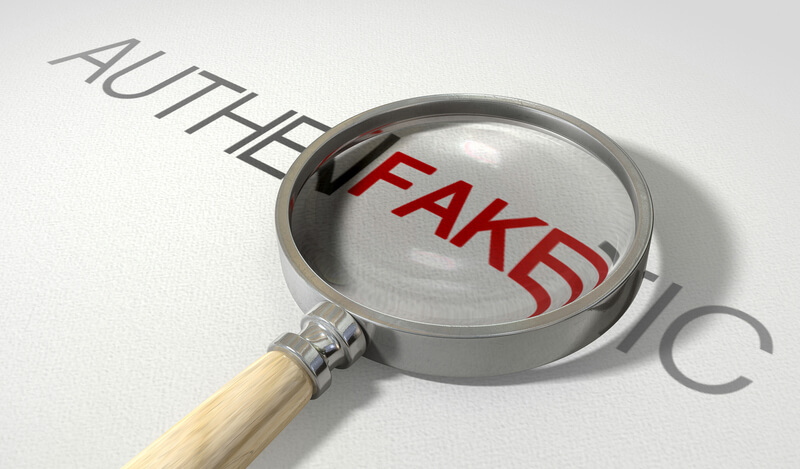
By Simon Sigirenda
How many times have you picked a product from a shop or store shelf and doubted its originality? Do you spray your animals and the ticks appear to perish, only to shoot back to life a few hours or days later?
In Uganda today, many consumers continue to grapple with products that are inferior and dangerously unsafe for human health. A couple of days ago, a friend went to his bathroom and found that his toothpaste tasted like a corrosive item. Take a moment and imagine that — a corrosive smell or taste!
I interacted with a seasoned traveller who confessed that they developed a very bad cough after taking supposedly compromised mineral water deep in the village, over 350km from Kampala. Only recently, I ordered mineral water and, upon sipping it, immediately developed flu-like symptoms. These examples are a reminder of the monster Uganda needs to confront urgently — counterfeit products.
How Big Is the Problem of Counterfeits?
According to recent data, the crisis is deeply rooted and escalating by the day. Uganda National Bureau of Standards (UNBS) reports that nearly 54% of products on the Ugandan market may be fake or substandard, with some estimates reaching 60%.
The Anti-Counterfeit Network (ACN) and UNBS estimate that Uganda loses Shs6 trillion annually to counterfeit and substandard goods — equivalent to about 3% of the national budget. Over half of all consumed alcohol is illicit, costing Shs3 trillion annually alone.
UNBS has continuously warned that consumption of substandard food products is putting pressure on the healthcare system due to associated ill-health impacts and deaths. Similarly, a number of diseases, including non-communicable diseases, are attributable to low compliance with goods quality standards. Clear examples include unqualified or uncertified foods, chemicals and medicines.
Lived Farm, Market Counterfeit Experiences
Fast forward, if the reader has been following developments in the agricultural production sector, there has been a persistent cry over substandard acaricides. A short while ago, during a farm visit in central Uganda, I interacted with a dairy farmer who complained about the unending problem of substandard acaricides:
“When you go to the market, the acaricides you get or purchase can hardly eliminate ticks. On the contrary, after spraying, they look like they have perished, but after a few hours, they breathe back to life!”

The above scenario speaks for itself about how limited regulation and enforcement of quality standards are affecting the productivity and business costs of many dairy farmers. It goes without saying that increasingly, farmers are grappling with high costs of treatment for tick-related diseases, sometimes costing an average of Shs150,000 per incident.
Other examples abound. A charcoal sack costing Shs90,000 contains more than a quarter charcoal dust packaged as charcoal — less for more, clearly substandard.
There are also underweight goods: bread labelled 500 grams or 1kg, and cement bags labelled 50kg but clearly underweight.
A schoolboy in one of the burgeoning Kampala schools recently told me that his parents cross borders to a neighbouring country to buy genuine products before a school term opens. A respectable communications practitioner sometime ago noted that many outlets here sell a third-rated counterfeit for a certain household product — a third-class counterfeit. Think about that!
Why the Increase in Counterfeit Products?
UNBS admits that many goods are smuggled due to porous borders. Uganda has over 200 official and informal border points, with UNBS being present at less than half of these points.
Perhaps a sobering example is the sophistication of counterfeiters. The culprits have learnt to package counterfeits in almost the same way as the originals. Recent advances in printing and packaging can fool consumers and only exacerbate the problem.
Policy-level challenges include a fragmented legal framework where there is no standalone Anti-Counterfeit Law, unlike Kenya’s Anti-Counterfeit Act, 2008, and Tanzania’s Merchandise Marks Act. Existing laws are not sufficiently deterrent.
Re-Calibration Needed to Ensure Standard Goods and Services
The legally mandated body, UNBS, should enforce standards to the letter to protect the integrity and quality of goods and products and uphold public health expectations. This will enhance the quality of life of Ugandans.
To the extent possible, substandard goods should be stopped at ports of entry. If a product is shipped from 5,000 miles and beyond to Uganda, does it get to “Kikuubo” or some supermarket in Kkitikutwe or Nansana without any quality validation or check? There is an urgent need to strengthen Pre-Export or Pre-Shipment Verification of Conformity (PVoC).
Consumers need to interest themselves in their rights to safe and quality products. Demand for these and nothing short of that.
It is common to find products in shopping centres whose expiry dates have been tampered with. A keen consumer can sometimes discover or realise this anomaly. Check the Q-Mark, weight and branding.
Explore an Interactive Reporting Platform
Perhaps UNBS should explore an interactive, video- and image-enabled social media platform that enables quick reporting of suspected counterfeits on the market. Establishing a toll-free hotline and WhatsApp reporting platform could also increase the pressure on counterfeiters.
Uganda should adequately consult on, debate and pass the Anti-Counterfeit Bill with deterrent penalties and empower joint regional enforcement.
No to Fakes… It’s Possible
It is impossible to build a self-sustaining economy described as having middle-income status on a foundation of fake goods. Genuine growth should go in tandem with bold standards enforcement and fidelity to contemporary public health and safety regulations.
Fake products only promote fake lives, and as a country, we can do better.
The writer is a Governance and Policy Advisor
Email: ssigirenda@gmail.com
GOT A HOT STORY? LET US KNOW!
Got breaking news, explosive secrets, or hard evidence?
Email us: redpeppertips@gmail.com
We accept tips, documents, videos, photos, and recordings—the more evidence you have, the better.
CONFIDENTIALITY IS OUR TOP PRIORITY. SOURCES ARE ALWAYS PROTECTED!
About Post Author