Benchmarking Vision: From Kampala to Singapore. This Time Through the Classroom Door

By Kerebu Nuwagira
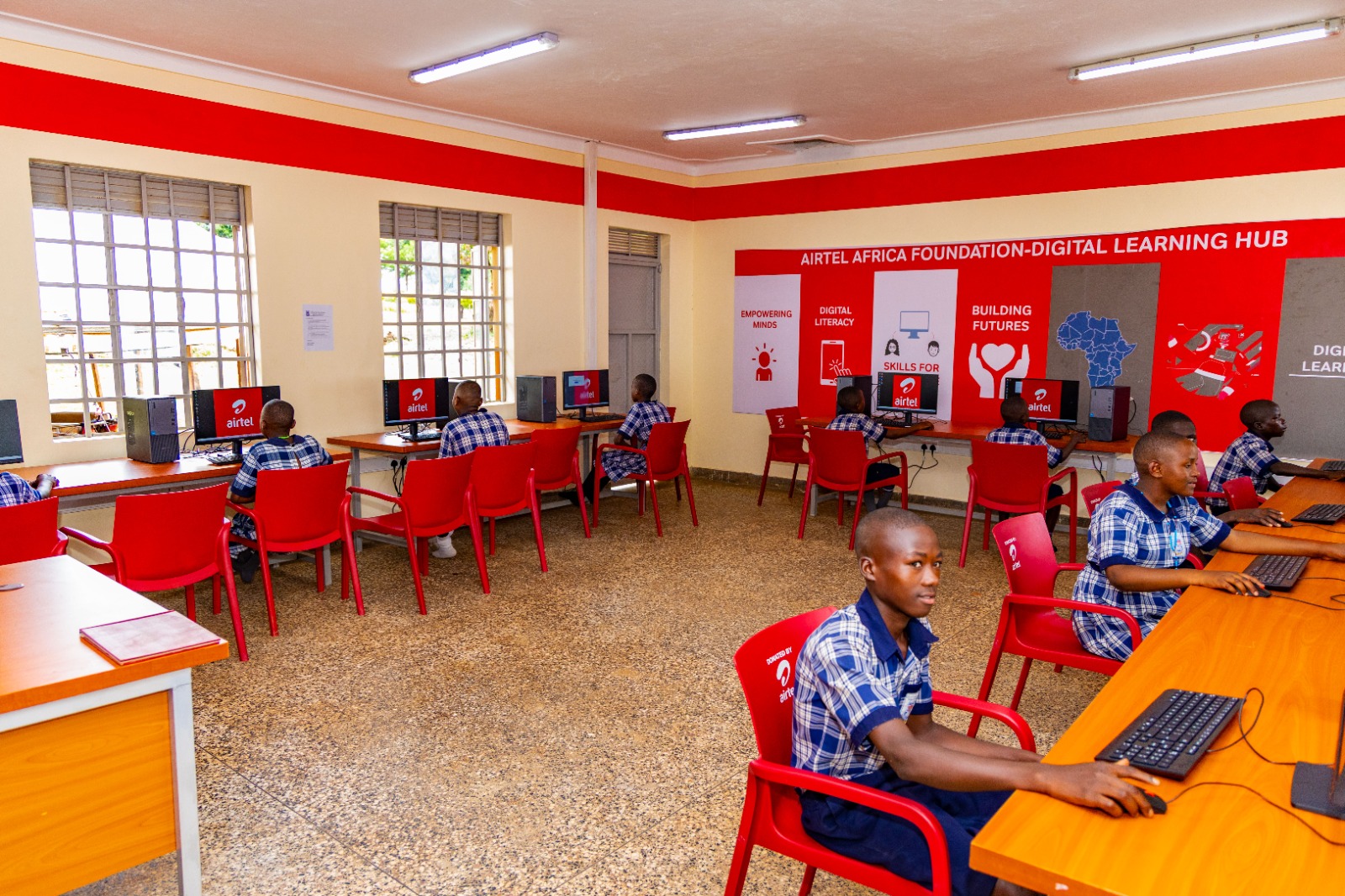
In a Ugandan classroom of 70 pupils, one teacher struggles without books. In Singapore, 20 students learn robotics using AI tools. The difference isn’t just about resources it’s about national strategy.
Singapore is ranked among the world’s top performers in education, consistently leading in math, science, and literacy. Uganda, while rich in talent and potential, still grapples with challenges like overcrowded classrooms, low teacher morale, and outdated curricula.
After publishing my recent article From Kampala to Singapore in 7 Days, which can be accessed here,https://redpepper.co.ug/from-kampala-to-singapore-in-7-days-lessons-for-ugandas-future/140907/ I received overwhelming feedback on how benchmarking can inspire progress. This time, I focus on one of the most powerful levers for national transformation ,education.
Here are seven key lessons Uganda can learn from Singapore’s education journey from a struggling post-colonial state to a global classroom leader.

1. A Clear National Vision for Education
Singapore:
Education was placed at the heart of development from independence.
It revises a master plan every decade to align skills with future needs.
Strategic investments target areas like STEM and digital literacy.
Uganda:
UPE and USE are important policies, but often unevenly implemented.
Many graduates face a mismatch between education and job market needs.
Curriculum reforms (like lower secondary CBL) are promising but underfunded.
Lesson: Vision must be future-focused, data-driven, and closely tied to economic transformation.
2. Quality of Teachers and Training
Singapore:
Teachers are selected from the top third of high school graduates meaning the most capable and committed students are encouraged into the teaching profession.
Training is rigorous and centrally managed through the National Institute of Education (NIE).
Continuous development, coaching, and career progression are built into the system, ensuring teaching remains a respected and rewarding career.
Uganda:
Teacher quality varies widely.
Many educators are underpaid and poorly supported.
In-service training is irregular, often donor-driven, and lacks follow-up.
Lesson: Elevate teaching as a profession recruit talent, provide high equality training, and retain teachers through support and recognition.

3. Meritocracy and Equity
Singapore:
Strong support for struggling students through programs like the Learning Support Programme.
Scholarships and subsidies ensure that no one is left behind.
Uganda:
UPE has expanded access, but quality remains uneven, especially in rural areas.
High-performing and special-needs learners often go unnoticed or unsupported.
Lesson: Design a system that uplifts the weak and challenges the gifted equity and excellence together.
4. Curriculum Relevance and Innovation
Singapore:
Shifted from rote memorization to critical thinking and creativity.
Technology is integrated across all levels.
Emphasizes 21st-century competencies like communication and adaptability.
Uganda:
Competence-Based Learning (CBL) has been introduced, but implementation is slow and uneven.
Most schools, especially rural ones, lack digital infrastructure.
Teaching still largely relies on cramming.
Lesson: Make the curriculum relevant and make technology accessible to every learner.
5. Vocational and Skills-Based Education
Singapore:
Vocational education is respected and tightly linked with industry needs.
Institutions like ITE and Polytechnics provide practical, employable skills.
TVET pathways are viewed as equal alternatives to university.
Uganda:
Vocational education is underfunded and stigmatized.
Courses are often outdated and disconnected from the labour market.
Lesson: Rebrand and retool vocational education—make it aspirational and responsive to the economy.
6. Strong Governance and Accountability
Singapore:
Decision-making is driven by data and long-term planning.
School leaders are trained, accountable, and respected.
Corruption is virtually nonexistent in education.
Uganda:
Leakages, political interference, and weak inspections remain challenges.
Headteachers often lack training in leadership and financial management.
Lesson: Build systems that are transparent, professional, and corruption-free.
7. Adaptation, Not Imitation
Singapore’s success didn’t come from copying others it came from long-term investment, political will, and policy discipline. Uganda doesn’t need to replicate Singapore, but it can adapt these principles:
Invest in teachers, not just buildings.
Align education with jobs and the digital economy.
Ensure no child rural, urban, gifted, or struggling is left behind.

What Uganda Can Do Now
To move from benchmarking to bold reform, Uganda can act in three clear ways:
1. Invest in Rural Teachers
Prioritize rural recruitment, training, housing, and incentives to ensure every child has a qualified, motivated teacher.
2. Expand Competence-Based Learning (CBL)
Provide ongoing training, support materials, and district-level coaching to scale CBL and shift focus from cramming to creativity.
3. Boost Digital and Vocational Education
Forge partnerships to modernize TVET, equip ICT labs in underserved schools, and promote hands-on learning as a respected first choice.
These are not dreams they are decisions. What Uganda needs now is not another policy paper, but action with purpose and urgency.

Conclusion: The Chalkboard Is Ours Now
Every education system tells a story not just of schools, but of a nation’s priorities.
Singapore wrote its own future by treating classrooms as launchpads for economic growth, innovation, and national pride. Uganda has the raw potential bright students, committed teachers, and progressive reforms but we cannot afford to let that promise be lost to underfunding, poor planning, or political short-sightedness.
Benchmarking must go beyond study tours and PowerPoint slides. It must inspire bold decisions, uncomfortable truths, and measurable action. Reform is not a luxury it’s a necessity.
If we want a Uganda that competes globally, we must start by transforming how we teach our children today.
The writer is a Ugandan professional in financial services with a strong interest in public policy, leadership, and sustainable development. He shares insights on national transformation and public affairs.
kerebunuwagira@gmail.com
About Post Author