BRIBE CLAIMS ROCK KAMPALA POLICE! Alleged Extortion Threatens Crime Crackdown
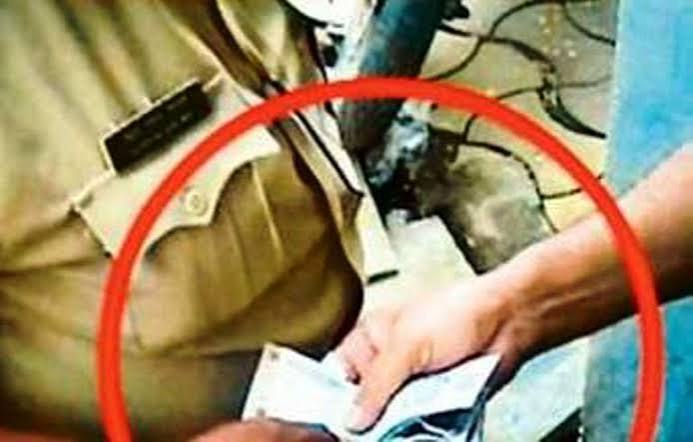
Allegations that some police officers are demanding money from suspects in exchange for release are undermining ongoing crime crackdowns in the Kampala Metropolitan Area, with community leaders and security experts warning that the practice is weakening efforts to dismantle criminal networks.
Since the beginning of the year, police and army units have conducted weekly intelligence-led operations across Kampala, Mukono, Wakiso and parts of Mpigi District, targeting criminal gangs blamed for a rise in attacks, robberies, injuries and killings within the Kampala Metropolitan Area. The increase in crime also triggered changes in police leadership, with Inspector General of Police Abbas Byakagaba replacing KMP Commander CP Richard Ecega with ACP Ezekiel Emitu after Ecega faced criticism over his handling of crime in the city and surrounding areas.
Recent high-profile incidents in 2026 include the murder of Pamela Ruth Tumwebaze, the UCU Director of Student Affairs, who was killed in her bedroom last week, as well as the earlier hacking deaths of two people at Dave Hotel and Suites in Lungujja, Rubaga Division. Following his appointment, ACP Ezekiel Emitu launched sustained crackdowns in key crime hotspots including Naggalama, Katwe, Nansana, Kasokoso-Kiganda, Nsansa, Bulindo, Katuli, Kigambo, Nsangi and Namugongo — areas that had increasingly become associated with criminal gangs operating in communities affected by unemployment, drug abuse and poor living conditions.
The operations have targeted crimes including house break-ins, motorcycle theft, street robberies and attacks on residents. Kampala Metropolitan Police Spokesperson Racheal Kawala said the operations have significantly improved the security situation across most parts of the Kampala Metropolitan Area, adding that police remain committed despite pressure on detention facilities caused by the large number of suspects arrested from the four policing divisions.
During the May and June operations in Kira, Nsangi and Entebbe, police arrested 2,334 suspects. Of these, 165 were released on police bond, 797 were cautioned and released, 337 remained in custody for further investigations, while 1,035 were charged in court. Police Spokesperson Kituuma Rusoke said many suspects are cautioned and released after investigations establish that they have no criminal record or when officers fail to identify specific offences committed.
“We still have the problem of youths who break into people’s houses and attack people on the roads, but as Police we cannot get tired of conducting these disruptive operations, so there is no timeframe for when we shall stop because we still receive many of these cases at our police stations; we can only encourage the community to work closely with Police and report to us. Those we find innocent are left to go either on bond to help us further investigate or be cautioned,” Kituuma said.
A senior police officer who has participated in some of the operations told urn that areas such as Beganzi, Nabingo Ward, Kyengera and Katwe One remain among the priority areas this year. The officer said while some areas have stabilised, others remain crime hotspots requiring continued attention.
While police say the operations have disrupted criminal networks, residents and local leaders argue that the effectiveness of the crackdowns has been affected by the way some suspects are handled after arrest.
They allege that some suspects are released before reaching police stations or after paying money to officers. Hajji Musa Ssekigudde, Head of Security in Kasokoso-Kiganda, said local leaders continue to provide intelligence to police but claims some suspects escape accountability because of corruption.
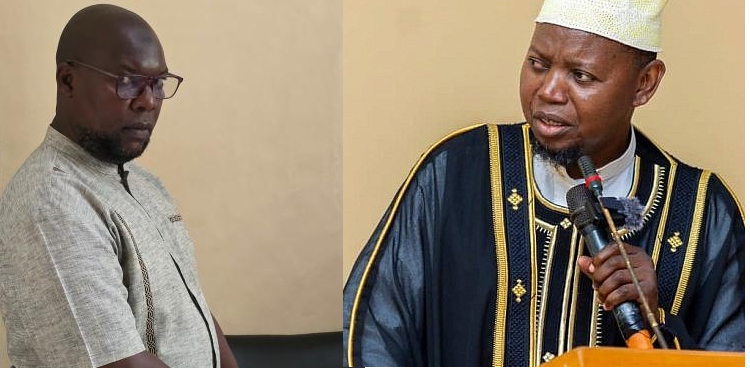
“We have gang groups calling themselves Egali operating in our zone, and they work with others from neighboring areas including Kireka A, Kireka B, Mutungo and Kinawataka. They move from place to place, breaking into businesses, stealing, and attacking people with pavers and other sharp objects. One of my neighbors, Meddie Mugaga, was attacked and hit with a stone, and he is yet to recover. We arrested a suspect called Azizi Mubiru Shafick, but he was released immediately,” Ssekigudde said.
He added: “When I went to the Officer in Charge of our area, he told me the suspect had no case and released him without carrying out due diligence, yet as area leaders we had background information linking him to that criminal network, and by the time we arrested him he had already been involved in several robberies, we had witnesses ready to testify against him, but he is now out and has rejoined his gang again.” Ssekigudde said.
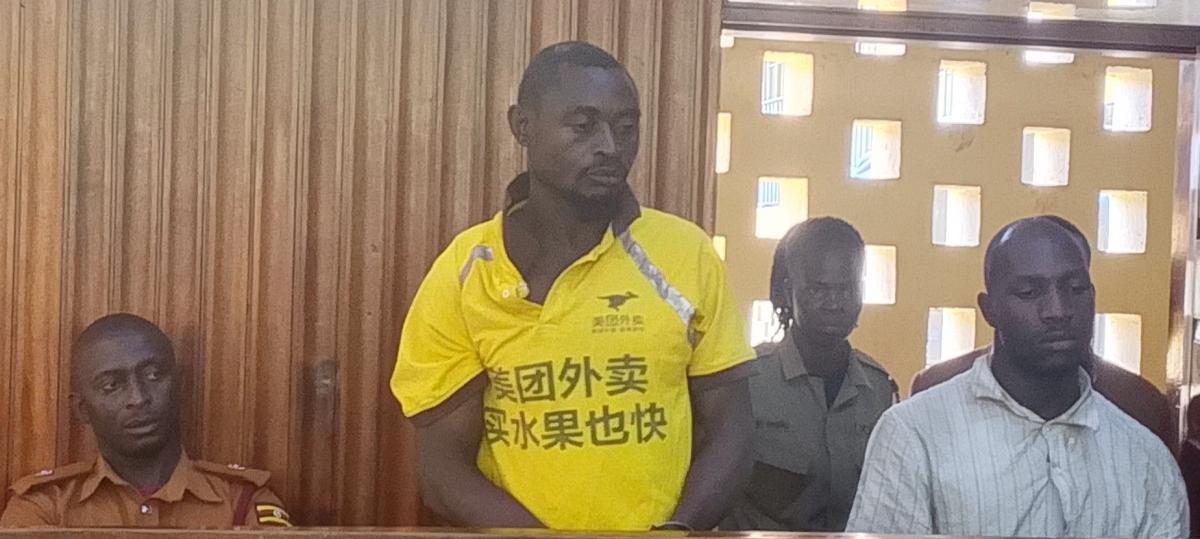
Ssekigudde said criminal networks are recruiting young people into gangs involved in drug use and other crimes. He said some youths were influenced by hardened criminals, including Odoi and Nurser Kagwa, who he said are currently on remand at Luzira Prison over murder and aggravated robbery charges.
In Namugongo Ssawo, local leaders say the operations have resulted in several arrests. Michael Ssendawula, Chairperson of Namugongo Ssawo, said more than 100 suspects have been arrested in his village during operations targeting house break-ins, street robberies and drug-related offences. Ssendawula and Ssekigudde said many people arrested during joint operations involving local leaders are genuine suspects.
However, Ssendawula expressed frustration over the release of suspects, which he attributed partly to alleged corruption among some police officers and weak judicial outcomes that allow offenders to return to communities. He also raised concerns over the increasing number of boda-boda stages operating without approval from local leaders, saying some have become recruitment points for criminals.
For some residents, the alleged misconduct has affected their confidence in police operations. Mahad Katongole, a mechanic at Kisekka Market and resident of Katwe-Kiganda Zone, said he was wrongly arrested while returning home from work in April. He said he showed officers his national identification card and pleaded with them, but claims they demanded money before releasing him.
“I paid 20,000 shillings, and about 80 others did the same. They picked us up near Queensway, drove us through the new park to Mengo, and police there told us to pay whatever we had; we paid, and they let us go. Even real criminals paid and walked free, so are those people not back on the streets to steal?” Mahad said. He said crime prevention would be more effective if police worked closely with local leaders who understand criminal networks within their communities.
Security expert Muhammad Kabugo said crime cannot be eliminated because of economic challenges, but effective intelligence-led operations can reduce its impact. He said attacks on motorists and motorcycle robberies continue to claim lives, while many victims suffer psychological effects from the violence.
“The sub-county policing model has failed because long distances and limited capacity make it hard to reach most crime scenes in time. It’s also difficult to control crime in a country with a fast-growing population where many youth are uneducated and unemployed; arrests and overcrowded prisons are not the full solution; we need more sensitization on poverty reduction and practical skilling programs,” Kabugo said.
Kabugo said police crime statistics may not always reflect the reality on the ground because some cases are handled through local councils or never reported due to mistrust.
“But I am also concerned that public trust has eroded because of indiscipline and corruption among some officers, you cannot claim that crime dropped by 10.4 percent in 2025 when many victims of stolen phones or number plates are called by criminals demanding money, out of 10 people, 8 will pay to recover their property instead of reporting to police, that is not a good sign, while they keep running these endless operations, they also need to clean their own house,” Kabugo said.
Rusoke acknowledged that misconduct exists within the police force, describing those involved as “rogue officers”. He said such actions are criminal and violate police regulations, urging members of the public to report cases to the Police Professional Standards Unit, which investigates and disciplines officers.
The Inspectorate of Government’s Bi-Annual Performance Reports, including the 2024 and 2025 editions, continue to document corruption complaints and have repeatedly listed the police among institutions facing corruption concerns.
Last week, President Museveni urged junior police officers to resist corruption, even when pressured by senior officers. He said corruption undermines crime-fighting efforts, adding that tools such as fingerprinting, police dogs, operations and CCTV cameras can only work effectively when security personnel operate professionally.
“The issue of corruption is the root cause of all the problems we have. When you look into them, you find corruption. I am now told that people are selling government jobs in the districts. You, as police officers, must not involve yourselves in corruption. In the areas where you will be deployed, do not engage in that act. Even if your boss tells you to do it, refuse. I will come for you,” Museveni said.
About Post Author