Congolese Refugees in Burundi Face Dire Conditions Amid Great Lakes Crisis
By ENOSH MUHINDO Defraise
In Burundi’s Burunga province, the Musenyi refugee camp has become a stark symbol of the humanitarian crisis gripping the Great Lakes region.
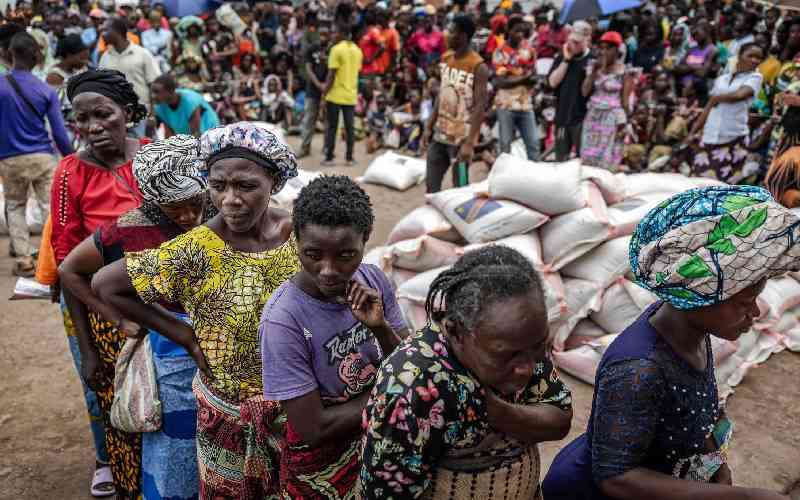
Home to over 18,000 Congolese refugees fleeing violence in eastern Democratic Republic of Congo (DRC), the camp is overwhelmed, with dire shortages of food, inadequate shelter, and mounting health risks.
As conditions deteriorate, refugees, particularly women, children, and the elderly, are increasingly turning to the nearby Mabanda market to beg for survival, highlighting the broader challenges facing the East African Community (EAC) in addressing the region’s refugee crisis.
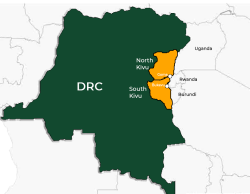
The Musenyi camp, located in Giharo commune near the DRC border, was designed to accommodate 3,000 people but now hosts over 18,400 refugees, according to estimates from SOS Médias Burundi. These individuals, primarily from North and South Kivu, have fled relentless violence by on the ongoing war between the M23 rebellion against FARDC (Congolese Army) and other armed groups. The camp’s overcrowding has led to severe shortages, with many living in emergency tents prone to flooding. Food distributions, managed by the World Food Programme (WFP), are insufficient, and access to clean water, sanitation, and healthcare remains limited.
Local residents report that refugees are leaving Musenyi to seek aid in Mabanda, especially on market days like Wednesday. “They come to the market or go door-to-door, asking for food,” said a Mabanda resident. “Many are women and children who say they’re starving.” Another witness noted the growing presence of elderly refugees, underscoring the desperation driving these vulnerable groups to beg.
A Regional Humanitarian Crisis
The situation in Musenyi is a microcosm of the broader displacement crisis in the Great Lakes region. Since January 2025, over 71,000 Congolese have crossed into Burundi, part of the 1.1 million displaced abroad by the DRC’s ongoing conflict, which has uprooted over 7 million internally.
The United Nations High Commissioner for Refugees (UNHCR) has warned of a $76.5 million funding shortfall to support the 90,000 Congolese refugees expected in Burundi by September 2025. Médecins Sans Frontières (MSF) has reported heightened risks of measles, malaria, and cholera in Musenyi due to poor sanitation and overcrowding.
Children, who make up over half the camp’s population, are particularly vulnerable, with more than 400 unaccompanied minors or survivors of sexual violence identified. Women also face acute challenges, lacking basic hygiene kits, which increases their exposure to exploitation.
The influx of refugees into Mabanda risks straining local resources, as Burunga’s communities grapple with their own economic challenges in one of the world’s poorest nations, with a GNI per capita of $270. While some residents, like Charlotte Mbomamkira, have shared food and shelter, others warn of potential tensions if aid remains scarce. The UNHCR has emphasized the need to support host communities to maintain solidarity and prevent conflict.
Limited Efforts to alleviate the crisis
In April 2025, Burundi’s First Lady, Angéline Ndayishimiye, and the DRC’s First Lady, Denise Nyakeru Tshisekedi, visited Musenyi, delivering food, clothing, and hygiene supplies.
However, such aid has proven insufficient for the camp’s growing needs. MSF’s vaccination campaigns and UNHCR’s temporary shelter projects are ongoing, but delays in funding and infrastructure development continue to hamper progress.
The EAC’s Role and Regional Implications
The Musenyi crisis underscores the EAC’s challenges in addressing the Great Lakes’ interconnected conflicts. The EAC’s limited success in brokering peace, as seen in stalled ceasefire talks with M23, highlights the need for stronger regional coordination and international support.
Conclusion
The plight of Congolese refugees in Musenyi reflects the human toll of the Great Lakes’ persistent instability. As refugees resort to begging in Mabanda to survive, Burundi faces mounting pressure to address their needs amid its own economic constraints.
The EAC and international community must urgently mobilize resources to bolster humanitarian aid, improve camp conditions, and support host communities. Without swift action, the crisis risks deepening, with far-reaching consequences for Burundi and the region.
About Post Author