TOURISM SET FOR BIG WINDFALL! UG Catalyst Summit 2026 Charts Uganda’s New Economic Course
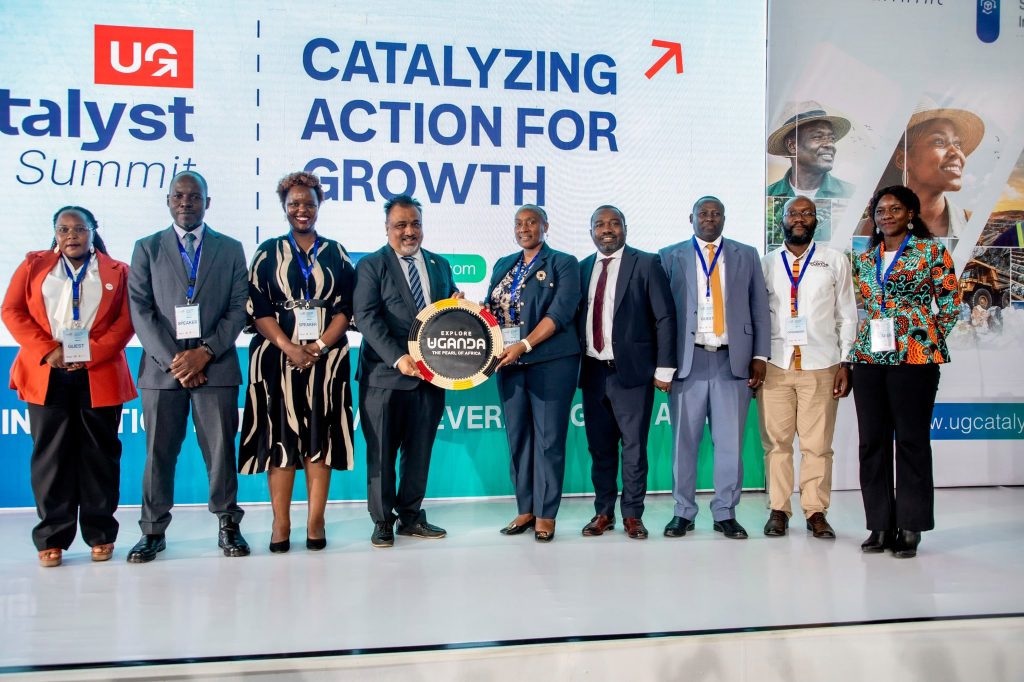
Uganda’s tourism sector is poised for a significant boost following conversations at the UG Catalyst Summit 2026, where industry leaders, policymakers, and private sector players converged at MoTIV Bugolobi to chart a bold new path for the country’s economic transformation.
Setting the tone for the Summit, National Planning Authority Chairperson Prof. Pamela Mbabazi drew a clear line in the sand: “Every generation receives a defining assignment. Our generation has been assigned the responsibility of economic transformation. History will judge us not by the speeches we gave, but by the opportunities we created.” For Uganda’s tourism industry, those opportunities are now firmly on the table.
The Tourism and Creative Industries track emerged as one of the Summit’s most energetic sessions, shining a spotlight on Uganda’s most visible economic sector. Delegates tackled the critical infrastructure gaps that continue to limit the country’s ability to convert its extraordinary natural endowments into sustained economic value. Discussions went beyond attracting visitors, zeroing in on what it takes to build demand that outlasts a single itinerary and translates into repeat visitation, longer stays, and deeper local spending.
This conversation comes at a defining moment. Uganda’s tourism promotional footprint is already expanding globally, with branded buses rolling through the streets of Paris carrying imagery of the country’s landscapes and wildlife to European audiences. The Summit’s focus on infrastructure and demand creation provides the strategic backbone that such campaigns need to deliver lasting results.
Perhaps the most consequential announcement for tourism-linked businesses came from Minister Sanjay Tana, who confirmed a three-year income tax holiday for qualifying startups. With tourism being one of Uganda’s most entrepreneurially active sectors, spanning hospitality, tour operations, creative industries, and experience-based offerings, this incentive could unlock a wave of new investment and product development across the value chain. The launch of the Opportunity Dashboard and the imminent cabinet presentation of the Startup Development Policy further signal that government is moving from rhetoric to action.
The Summit did not shy away from hard truths. The private sector was candid that bankability is a discipline problem before it is a financing problem, and that fragmentation remains a significant obstacle to meaningful participation in the African Continental Free Trade Area. For tourism MSMEs, including guesthouses, cultural sites, local guides, and craft producers, the acknowledgment that policy has too often felt addressed to someone else was significant. Closing that distance, delegates agreed, is one of the most consequential outcomes this Summit can deliver.
Uganda’s tenfold growth ambition, anchored in NDP IV, cannot be achieved without a thriving tourism sector. The country’s biodiversity, cultural richness, and adventure offerings are globally competitive assets. What the sector needs now is the infrastructure, financing architecture, and policy consistency to fully monetise them. The message from the UG Catalyst Summit 2026 is clear: Uganda is no longer simply talking about its potential. It is building the systems to realise it, and the tourism industry stands to be one of the biggest beneficiaries.
About Post Author