Suspected Poachers Vandalize 5km of Electric Fence in Murchison Falls Park
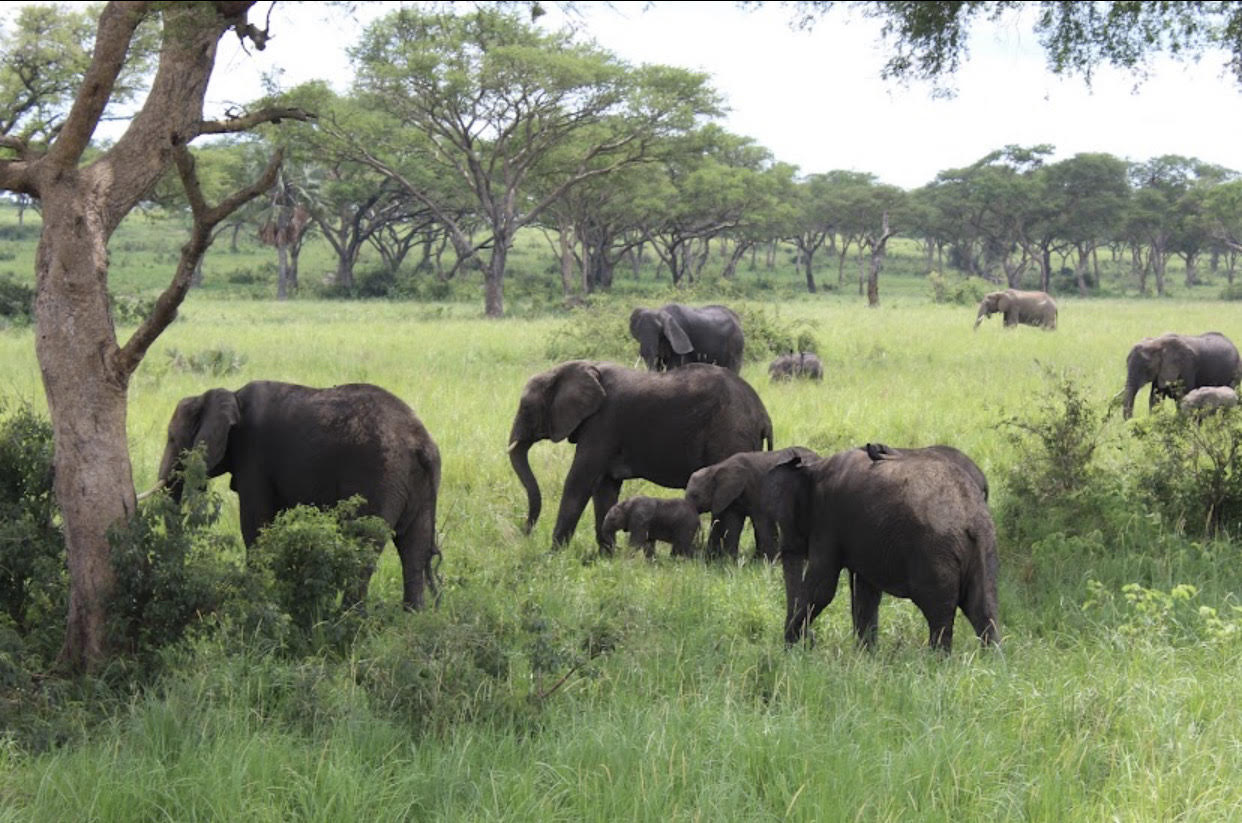
Suspected poachers have vandalised about 5km of the electric fence around Murchison Falls National Park, in Nwoya District. The Uganda Wildlife Authority (UWA) has reported this incident to have happened in two sub counties in Nwoya District and investigations are still underway to bring the suspects to books.
The Warden in charge of Law enforcement, Mr. Movadi Turyatemba confirmed on Monday that over 5 kilometres of the electric fence around Murchison Falls National Park have been cut by suspected poachers.
He says that an investigation by the Uganda Police and UWA officials to get the suspects arrested and arraigned to Courts of Law.
The warden suspects poachers and possibly members from the communities living near to the park to be behind the vandalization of the fences.
Cutting the fence creates openings through which wild animals could stray into the local communities causing havoc and threatening human life.
“Every day we must send our team for inspections because they normally damage this fence at night, and more than 5 kilometres of fence were vandalised around Oyam district,” he confirmed to the press.
Mr. Turyatemba confirms that the affected areas where vandalisation too place are the parishes of Juma, Zambia, Akuridia and Bombay. These parishes are in the two sub-counties of Myene and Kamdini, in Oyam district.
He warns that the now open part of the park could allow wild animals to stray into human settlements.
In 2022, the Uganda Wildlife Authority embarked on a conservation project aimed at installing 126 kilometres of electric fence around the Murchison Falls National Park to reduce conflict and promote the peaceful coexistence of communities and wildlife.
The initiative was aimed at curbing wildlife conflicts in areas of Buliisa, Masindi, Nwoya, Oyam and Kiryandongo Districts.
Before the installation, the local people complained about frequent invasions of wild animals into the communities destroying crop gardens, livestock farms and at times killing humans.
In these areas, poaching was also common! Wild animals were killed for both food and illegal wildlife trade.
Murchison Falls National Park is at the centre of poaching and despite the conservation measures put in places, highly skilled poachers still threaten wildlife by taking lion, elephant, hippo, and buffalo, as well as other game meat species, with guns, traps, snares, and spears.The fencing started with the areas where the majority of wildlife poachers were entering the national park.
Therefore, the initiative aimed at stopping humans from making illegal entries into the national park. By fencing the park, the Uganda Wildlife Authority hoped to foster the peaceful coexistence between humans and wildlife while safeguarding Uganda’s natural heritage against poaching and illegal wildlife trade in the Murchison Falls Conservation Area.
Human Wildlife Conflicts in Uganda’s National Parks
Human wildlife conflicts continue to be a major challenge around protected areas in Africa.
Communities around Uganda national parks face challenges and incidents of animals invading farms and human settlements are common causing crop destruction and even loss of lives due to elephantine incursions.
As a result, local communities at times also kill wild animals and at times wiping out valuable animal species. There have been reports of lion poisoning in the Queen Elizabeth National Park in the past five years. The population lions of Lake Mburo National Park were also wiped out by the pastoral communities that live adjacent to the park.
According to UWA, human–wildlife conflicts remain a national challenge, and the conservation body asserts that this issue can be best confronted through electric fencing of Uganda’s national parks, among other solutions.
To safeguard and reduce Human-Wildlife Conflicts, UWA is implementing proactive mitigation strategies such as electric fencing to create clear boundaries between the park and humans, a measure that can yield positive results in the protection of Uganda’s biodiversity for not only the present but also the future generations.
GOT A HOT STORY? LET US KNOW!
Got breaking news, explosive secrets, or hard evidence?
Email us: redpeppertips@gmail.com
We accept tips, documents, videos, photos, and recordings—the more evidence you have, the better.
CONFIDENTIALITY IS OUR TOP PRIORITY. SOURCES ARE ALWAYS PROTECTED!
About Post Author