BUSINESS UNDER WATCH! Uganda Plans New Action Blueprint on Human Rights, Accountability

By Evans Najuna
KAMPALA — Uganda is preparing to develop its next National Action Plan on Business and Human Rights, with government officials, development partners, business leaders and civil society actors calling for stronger accountability, responsible investment and better protection of workers and affected communities.
The call was made during the 7th National Forum on Business and Human Rights in Uganda, held under the theme: “Reflecting on Progress and Strengthening Commitment: The Journey of Uganda’s National Action Plan on Business and Human Rights.”
The forum provided a platform for stakeholders to assess progress made since the adoption of Uganda’s first National Action Plan in 2021 and identify priorities for the next phase of implementation.
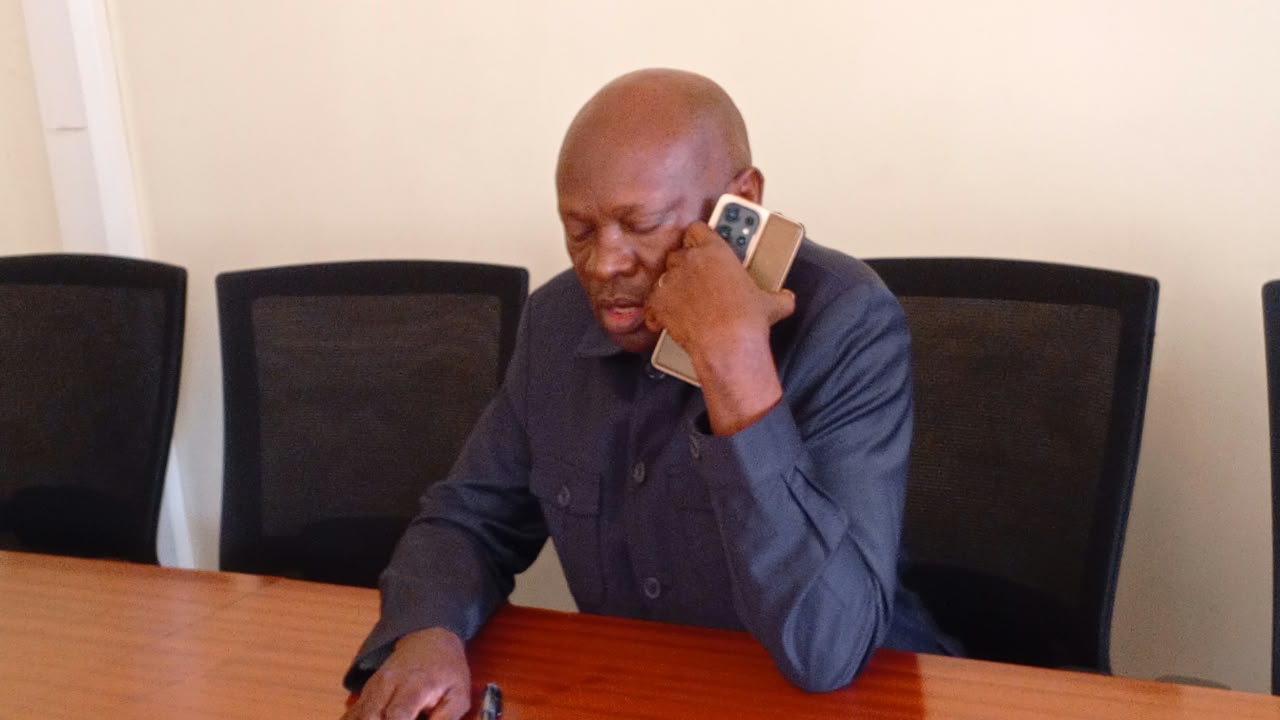
In his opening remarks, Minister of Gender, Labour and Social Development, retired Lt. Gen. Henry Tumukunde Kakurugu, said Uganda must ensure that its economic transformation ambitions go hand in hand with respect for human rights, decent work, environmental sustainability and the dignity of its people.
The minister’s speech was read by Bernard Mujuni, Commissioner in charge of Gender and Equity at the Ministry of Gender, Labour and Social Development.
Tumukunde said Uganda’s pursuit of investment, industrialisation, employment creation and wealth generation must be accompanied by safeguards that protect people from human rights violations associated with business activities.
“Its value ultimately depends on whether responsibilities are understood, institutions are able to act, businesses put appropriate safeguards into practice and people whose rights are affected can obtain effective remedies,” he said.
UGANDA EYES SECOND ACTION PLAN
Tumukunde noted that Uganda’s business and human rights agenda gained momentum following recommendations accepted during the 2016 Universal Periodic Review process, which called for the development of a National Action Plan in line with the United Nations Guiding Principles on Business and Human Rights.
In 2021, the government, through the Ministry of Gender, Labour and Social Development, adopted the country’s first National Action Plan, placing Uganda among the early African countries to establish such a framework after Kenya’s adoption in 2019.
The minister said the first plan provided a foundation for improving coordination among government institutions, businesses and other stakeholders while promoting human rights protection and access to remedies for affected individuals and communities.
He, however, stressed that adopting policies and legal frameworks was only the beginning, adding that their effectiveness depended on implementation, institutional capacity and accountability.
As the first plan approaches the end of its implementation period, Tumukunde said Uganda has an opportunity to consolidate the progress made and develop a more effective, measurable and sustainable framework.
“The next National Action Plan should build on existing institutional arrangements while seeking to clarify responsibilities, strengthen coordination and establish clear measures for assessing progress,” he said.
He called for stronger monitoring systems, reliable baseline information and measurable indicators to help assess progress, identify gaps and determine where further action is required.
WORKERS, COMMUNITIES NEED PROTECTION
The minister identified responsible business conduct, stronger accountability and access to remedies as key priorities that should guide the development of the next plan.
He urged businesses to strengthen human rights due diligence, improve workplace protections, prevent child labour and discrimination, and take appropriate measures to address adverse effects on people and the environment.
Government institutions, he added, must continue supporting compliance, strengthening oversight and enforcing applicable laws and standards.
Tumukunde also called for particular attention to women, children, young people, persons with disabilities, migrant workers, informal workers and other vulnerable groups who may face greater risks or barriers to participation in economic activities.
He said the next plan should also address emerging challenges associated with climate change, environmental degradation, digital technologies, artificial intelligence and increasingly complex supply chains.
On access to justice, the minister called for stronger coordination among relevant institutions, improved referral and case-follow-up arrangements, and accessible grievance mechanisms to help victims seek appropriate remedies.
He emphasised that while preventing human rights abuses remained essential, accountability required that complaints could be raised safely, addressed appropriately and followed through to tangible outcomes.
EU, UN BACK NEW APPROACH
Jan Sadek, the European Union Ambassador to Uganda, reaffirmed the EU’s commitment to supporting Uganda’s sustainable and inclusive economic transformation.
Sadek noted that the EU was a long-standing partner in supporting Uganda’s green transition, sustainable growth and job creation.
He highlighted the Sustainable Business for Uganda platform, through which European and Ugandan public and private sector actors engage in structured dialogue on trade, investment and sustainable business.
According to Sadek, business and human rights have been integrated into these discussions because stronger investment must go hand in hand with stronger standards.
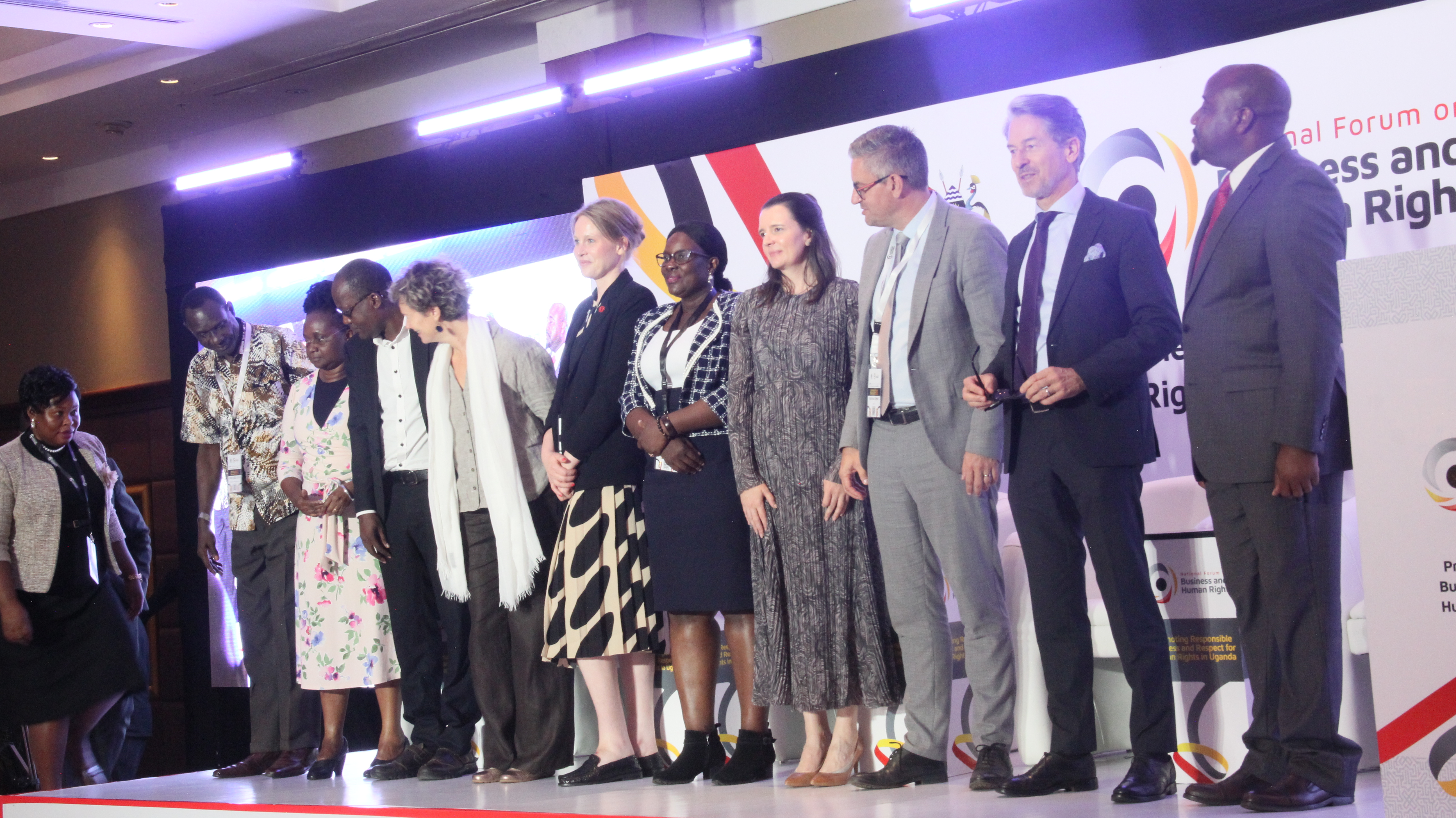
His remarks underscored the importance of ensuring that investment opportunities contribute to sustainable development while respecting the rights of workers and communities.
Meanwhile, Ms. Natasha Butora, UN Women Country Representative Officer in Charge, speaking on behalf of the UN Resident Coordinator in Uganda, described the forum as timely as the country approaches the conclusion of the first phase of its National Action Plan.
Butora said Uganda had taken important steps towards embedding human rights in business practices since the plan’s adoption in 2021.
She credited the continued engagement of government, civil society, businesses, communities and development partners for sustaining progress in the country’s business and human rights agenda.
She said the forum was crucial in ensuring that the next phase of implementation was informed by evidence, lessons from experience and the voices of people most affected by business-related human rights concerns.
MBAZIRA CALLS FOR EVIDENCE-BASED ACCOUNTABILITY
Delivering the keynote address, Prof. Christopher Mbazira commended the government’s development of a management information system guided by the National Action Plan, describing it as an important step towards a data-driven approach.
Mbazira emphasised the importance of reliable data in understanding the harm caused by business activities and determining whether interventions were producing meaningful results.
“We cannot survive without the data. We cannot understand the harm done by various activities without data,” he said.
However, he cautioned against confusing progress in awareness, coordination and policy development with evidence that business-related human rights abuses had declined or that victims were consistently receiving effective remedies.
His remarks highlighted the need for stronger evidence to determine whether the existing framework was translating into tangible improvements in people’s lives.
The call for evidence-based monitoring comes as Uganda prepares to reflect on the achievements and challenges of its first National Action Plan and determine what should be prioritised in the next phase.
DANCHURCHAID STRESSES LESSONS FROM FIRST PLAN
Ms. Roya Amanda Zarrehparvar Høvsgaard, Senior Adviser on Business and Human Rights at DanChurchAid, also emphasised the importance of assessing the progress made under the National Action Plan as the first implementation phase draws to a close.
She said the timing of the forum was particularly important because stakeholders needed to reflect on the lessons learned and determine which interventions should be carried forward.
Her remarks reinforced the need for an honest assessment of implementation, including identifying gaps and establishing priorities for the next plan.
LEGAL FRAMEWORK IN PLACE
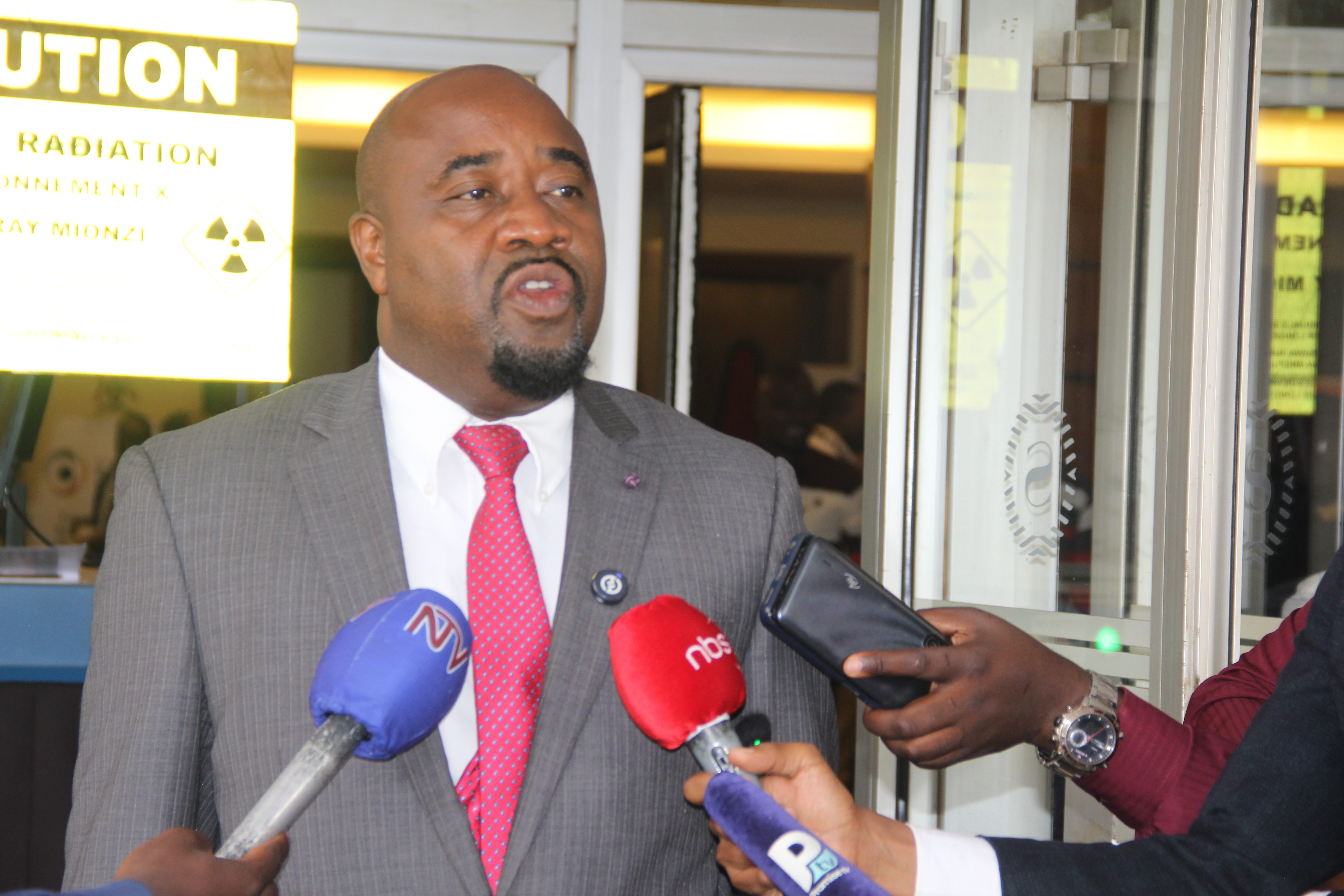
Tumukunde noted that Uganda’s business and human rights agenda is anchored in an existing legal and policy framework, including the 1995 Constitution and legislation governing employment, occupational safety and health, disability rights, child protection and environmental management.
The laws cited included the Employment Act, the Occupational Safety and Health Act, the Persons with Disabilities Act, the Children Act and the National Environment Act.
He said the next National Action Plan should build on these existing protections while strengthening coordination and ensuring that legal obligations are translated into practical action.
The minister further called on government, businesses, civil society, academia and development partners to recognise their respective responsibilities in advancing business and human rights.
He said government had a duty to protect human rights, businesses were responsible for respecting human rights in their operations and business relationships, while civil society and human rights defenders played an important role in awareness creation and accountability.
Academia, he added, could strengthen the evidence informing policy and practice, while development partners could continue supporting nationally owned initiatives.
Tumukunde urged participants to use the forum to identify practical proposals, strengthen partnerships and renew their commitment to responsible business conduct.
He said Uganda had established an important foundation by adopting its first National Action Plan and now needed to consolidate the gains, learn from implementation challenges and strengthen the systems required to make respect for human rights a demonstrable feature of doing business.
The two-day forum is expected to contribute to discussions on the priorities, implementation mechanisms and accountability measures that should shape Uganda’s next National Action Plan on Business and Human Rights.
GOT A HOT STORY? LET US KNOW!
Got breaking news, explosive secrets, or hard evidence?
Email us: redpeppertips@gmail.com
We accept tips, documents, videos, photos, and recordings—the more evidence you have, the better.
CONFIDENTIALITY IS OUR TOP PRIORITY. SOURCES ARE ALWAYS PROTECTED!
About Post Author