CASH COW OR CASH SINK? Sh11.3bn Stuck, Loss Making Igongo Hotel Deal & Idle Assets Expose Mismanagement at Nile Hotel Under Barungi

A stunning Auditor General’s 2025 report has blown open the books of Nile Hotel International Limited, revealing a cocktail of idle billions, underperformance, stalled plans, and questionable investment decisions—casting a long shadow over the stewardship of General Manager Joseph Barungi.
NHIL, the government-owned asset-holding giant under the Uganda Development Corporation, is no small player. It holds prime hospitality investments including the prestigious Kampala Serena Hotel premises and a 49 percent stake in Igongo Country Hotel and Cultural Center. But behind this glittering portfolio, the Auditor General has uncovered a troubling story of inefficiency, missed opportunities, and financial missteps.
At the center of the storm is a massive UGX 11.3 billion VAT receivable from URA—money that legally belongs to the company after a successful appeal against a tax assessment. Yet instead of strengthening NHIL’s financial muscle, the funds remain stuck, idle, and unproductive.
“This represents an idle asset that does not support the Company’s ability to generate more income,” the Auditor General observed, raising serious questions about how such a significant resource has been left dormant.
And it is not just cash lying idle. A deep dive into the management of NHIL’s non-current assets paints a picture of neglect and vulnerability. The report highlights unengraved assets, inadequate maintenance, and delayed disposal of aged equipment, exposing them to misuse, loss, and inefficiency.
In a company whose core business revolves around managing high-value hospitality investments, such lapses are nothing short of alarming.
Procurement performance also took a beating. Out of planned procurements worth UGX 1.99 billion, only contracts worth UGX 156.8 million were awarded—an implementation rate of just 8 percent.
“This indicates significant underperformance in execution of planned activities,” the findings suggest, pointing to a system struggling to translate plans into action.
The strategic direction of the company appears equally shaky. The Auditor General found that the implementation of the strategic plan for 2022/23 to 2024/25 suffered from 40 percent underfunding, leading to a shocking outcome—only two out of eleven planned interventions were actually undertaken.
Even more concerning, the new strategic plan for 2025/26 to 2030/31 was not aligned with the Uganda Development Corporation’s strategic plan, raising fears of disconnect and lack of coordination at the highest levels.
Service delivery tells a similar story. Out of non-payroll outputs worth UGX 2.116 billion, only seven outputs valued at UGX 287 million were fully implemented, while four major outputs worth UGX 1.829 billion were not implemented at all.
The financial performance, while seemingly stable on the surface, reveals cracks underneath. NHIL posted a surplus of UGX 1.34 billion after tax, slightly down from UGX 1.36 billion the previous year. Its operating margin dipped by 2 percent—from 54 percent to 52 percent—still strong but signaling rising operational pressures.
But the real concern lies in efficiency.
The company’s return on assets stands at a mere 0.73 percent, far below the expected 5 percent benchmark, pointing to suboptimal and inefficient utilisation of assets.
At the same time, NHIL is sitting on a liquidity ratio of 8.1, far above the ideal range of 1.5 to 2.
While this might appear like financial strength, the Auditor General warns otherwise.
“A high liquidity ratio implies that the Company is not efficiently using its current assets or its short-term financing facilities,” the report explains.
This bloated liquidity is largely attributed to the UGX 11.3 billion VAT receivable, which has inflated current assets without contributing to real economic activity.
Dividend performance has also raised eyebrows. Although NHIL declared dividends of UGX 271 million, it paid out only UGX 159 billion—a discrepancy that underscores broader concerns across public enterprises about balancing reinvestment with shareholder returns.
The Auditor General emphasized the need for clear dividend policies, warning that government shareholders expect tangible returns from profitable entities.
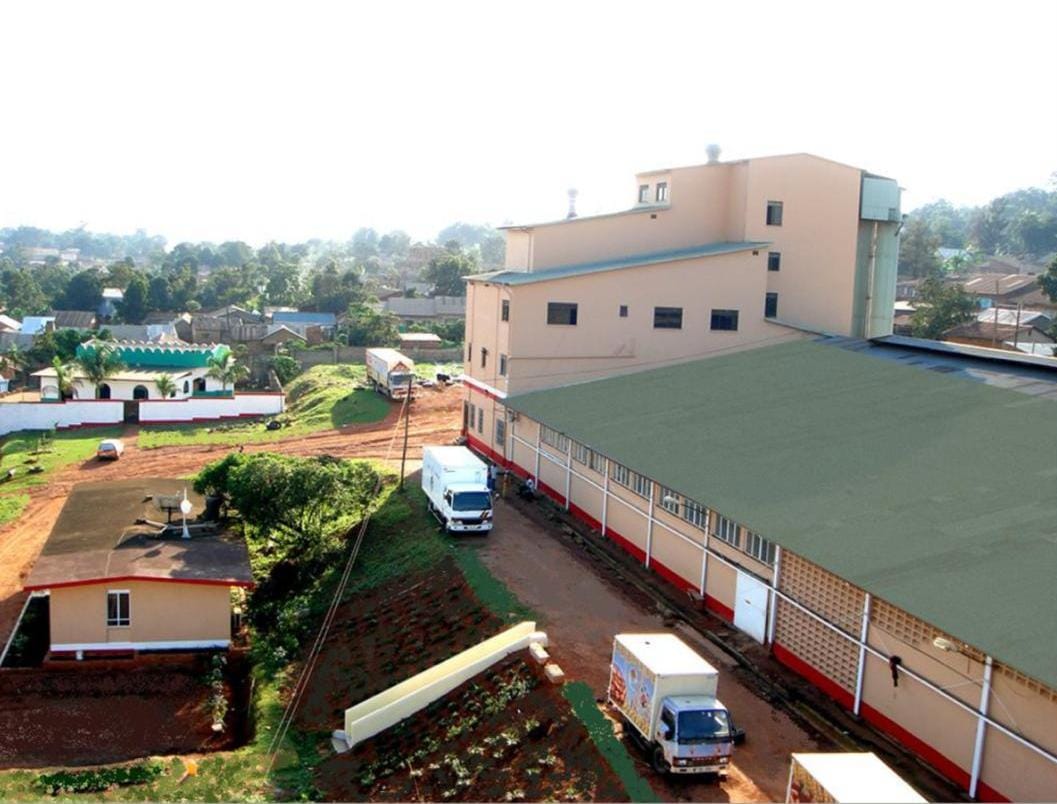
But perhaps the most controversial finding revolves around a UGX 5.5 billion unsecured loan acquired to finance the purchase of a country hotel.
The investment was based on optimistic projections of UGX 5.163 billion in cumulative profits within three years, with an average annual profit of UGX 843 million expected to help service the loan.
Reality, however, tells a completely different story.
“To date, the investment has made a cumulative loss of UGX 214 million,” the report reveals, bluntly concluding that the acquisition “does not contribute anything to the loan settlement.”
In simple terms, the hotel deal has turned into a financial burden rather than a revenue generator.
For now, the Auditor General’s report lays bare a stark reality: beneath NHIL’s polished image lies a company struggling to convert its wealth of assets into real value.
About Post Author