PWC IN GLOBAL SHAME! World Bank Slaps 21-Month Ban Over $1.1bn Fraud — Africa Infra Deals Rocked
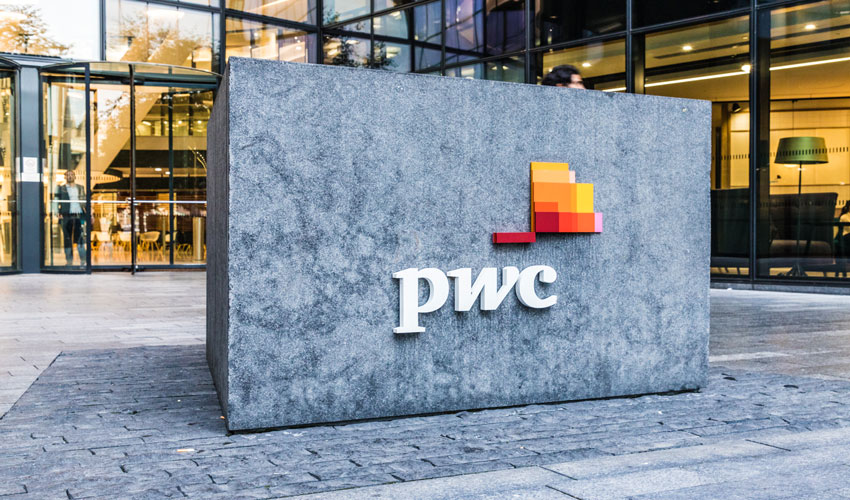
Shockwaves are ripping through Africa’s high-stakes infrastructure world after the World Bank dropped a hammer blow on three subsidiaries of global audit giant PricewaterhouseCoopers, banning them from its projects for 21 months over a corruption scandal that has left the region’s energy ambitions under a dark cloud.
The firms at the centre of the storm — PwC Associates Africa Ltd, PwC Limited Kenya and PwC Rwanda Limited — admitted to engaging in collusive and fraudulent practices in a multi-billion-dollar electricity project linking Ethiopia and Kenya.
The scandal revolves around a massive $1.1 billion (Shs 41.6 trillion) Ethiopia-Kenya electricity interconnection project, a flagship initiative under the Eastern Africa Power Pool designed to transform energy access across the region.
But instead of powering homes, the project has now sparked outrage.
According to the World Bank, the PwC-linked entities fraudulently obtained confidential bid information, giving themselves an unfair advantage in the contract award process.
“This constituted collusive and fraudulent practices,” the Bank said, adding that the actions directly violated its strict anti-corruption rules.
The transmission line itself is no small venture. Stretching 1,068 kilometres, it is intended to carry electricity generated from Ethiopia’s hydropower plants into Kenya and beyond — a critical lifeline for a region battling chronic power shortages and rising demand.
The broader Eastern Africa Power Pool initiative brings together 11 countries including Uganda, Tanzania, South Sudan, Rwanda, Burundi, Democratic Republic of Congo, Sudan, Egypt, Libya and Djibouti — all banking on shared grids to stabilize electricity supply and drive economic growth.
Now, that dream has been tainted.
The World Bank, which has built a reputation for zero tolerance to corruption, made it clear that such conduct would not go unpunished.
The institution noted that it has debarred more than 1,000 entities since 2011 for similar violations, sending a strong message that even global giants are not untouchable.
“This provides an unfair contract advantage,” the Bank emphasized, underlining the seriousness of the offence.
Facing the heat, the PwC firms admitted culpability and entered into a negotiated settlement with the Bank — a move that spared them a harsher penalty.
Their cooperation played a key role in reducing the ban to 21 months, with a possibility of early release if strict conditions are met.
As part of the deal, PwC committed to carrying out internal investigations, disciplining those responsible, cutting ties with implicated sub-consultants and retraining staff.
The firms also agreed to strengthen their internal compliance systems to meet World Bank standards and voluntarily stepped back from bidding on World Bank-funded contracts during the negotiations.
According to the Bank, “these actions and the firm’s collaboration with the investigations contributed to the shorter debarment.”
But the damage is already done.
The debarment extends beyond the World Bank to other key financiers involved in the project, including the African Development Bank and the Agence Francaise de Developpement, effectively locking the PwC entities out of major donor-funded opportunities across the region.
Analysts warn that the fallout could ripple far beyond PwC, triggering increased scrutiny on the so-called “Big Four” firms — Deloitte, Ernst & Young and KPMG — all of whom are heavily involved in advisory roles on Africa’s infrastructure projects.
“This is a wake-up call,” one industry insider said. “If PwC can fall, anyone can.”
For Uganda and the wider region, the scandal also reopens old wounds.
The World Bank has previously cracked down on firms operating in Uganda over similar misconduct in projects ranging from roads to rural electrification.
Companies like Burhani Engineers Ltd were debarred in 2023 for misrepresentation in the Energy for Rural Transformation III Project, while Energoprojekt Niskogradnja faced sanctions over fraudulent practices in earlier infrastructure deals.
Local players have not been spared either. Emmyways Engineering Construction Limited was banned for three years in 2019, alongside other firms and individuals implicated in procurement irregularities.
Each case follows a familiar script — inflated claims, hidden information, and manipulation of procurement processes — all at the expense of development.
And now, with PwC joining the list, the message is unmistakable.
In the high-stakes world of donor-funded projects, integrity is no longer optional.
As the dust settles, questions linger about how such a massive breach occurred in a project of this magnitude — and whether enough safeguards exist to prevent it from happening again.
For now, one thing is certain: the lights may still come on across East Africa, but the shadow cast by this scandal will not fade anytime soon.
GOT A HOT STORY? EMAIL: redpeppertips@gmail.
SOURCE PROTECTION/CONFIDENTIALITY IS OUR NO.1 PRIORITY.
About Post Author