SPOTLIGHT! OPM Ghost scandal returns to haunt DRDIP projects in Kamwenge
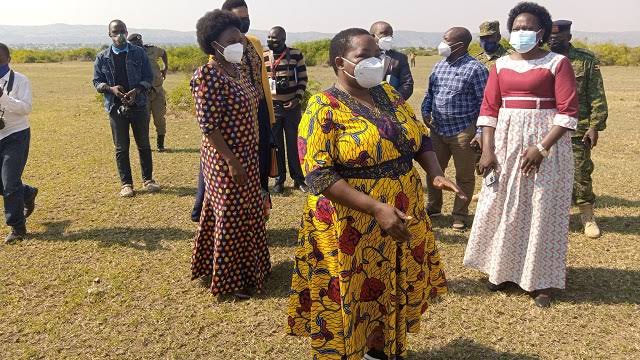

KAMWENGE — Local contractors and traders who supplied government under the World Bank-financed Uganda Development Response to Displacement Impacts Project (DRDIP) are chocking on huge interest loan charges over unpaid arreas for supplies delivered to the government in Kamwenge District in September 2021.
DRDIP is a project focusing on addressing the impacts of the protracted presence of refugees on the hosting communities which aims at improving access to basic social services in the area of health, education, water and sanitation as well as expanding economic opportunities and enhance environmental management for refugee host district communities and settlements.
The refugee programme, a flagship Government of Uganda project run by the Office of the Prime Minister (OPM) and other U.N. refugee agencies include UNHCR and WFP is currently being implemented in 15 refugee-hosting settings of Arua, Koboko, Yumbe, Moyo, Adjumani, Obongi, Madi-Okollo and Terego.
Others are Lamwo, Hoima Kikuube, Kiryandongo, Isingiro, Kyegegwa and Kamwenge.
Reports indicate that top OPM officials in charge of DRDIP are deliberately frustrating the transfer of funds meant to pay suppliers and contractors having previously assured them that being a World Bank funded project,
money would be instant and that meant that suppliers went in for borrowed monies from both banks and money lenders.
Both suppliers and contractors are planning to match Prime Minister Robinah Nabbanja
to intervene help the matter, saying their properties are at stake.
One of the suppliers said some OPM officials through their agents have been reaching out to them seeking to negotiate kickbacks when money is released.
We couldn’t verify this claim as a spokesman for the OPM did not respond to our request for comment by press time.
The OPM was only last year hit by a huge scandal of abuse of funds for refugees— forcing the United Nations and other major donors to ask the government to take action on the culprits.
A separate U.N. investigation of its widely-praised refugee program in Uganda also found corruption costing millions of dollars and misconduct.
The report by the Office of Internal Oversight Services (OIOS) showed inflated bills, fraud and non-compliance with rules among other malfeasance that caused losses for the U.N. refugee agency.
Uganda hosts more than 1 million refugees who have fled South Sudan, the Democratic Republic of Congo, Burundi, Ethiopia, Somalia and other countries.
Uganda is praised for its open-entry refugee policy that grants aliens free movement within the country, access to public health services and small plots of land for settlement and cultivation.
The OIOS’s audit covered UNHCR’s operations in Uganda and discovered gross irregularities including stealing of posho and mosquito nets for refugees.
The audit showed excessive fuel use by UNHCR vehicles assigned to officials from Uganda’s office of the prime minister (OPM), which manages refugees and provides contract services to UNHCR.
These include refugee registration, though UNHCR has taken over the role since allegations by whistleblowers of inflated numbers.
The audit said OPM paid $283,000 in allowances annually to dozens of its staff but “was unable to provide to OIOS documentation to substantiate that these civil servants were working on UNHCR projects.”
Some procurements were done without competitive bidding while others carried insufficient documentation, exposing UNHCR to losses through inflated prices and other fraud.
The report also showed officials were asking for kickbacks before contracting suppliers.
The UN audit was triggered by whistleblowers who said officials may have inflated refugee numbers to skim aid and do other fraud.
An audit of refugee numbers showed Uganda has 1.3 million, nearly 25 percent less than the previously reported number.
Those allegations angered western donors who finance the agency’s efforts to cope with swelling refugee numbers in Uganda especially after a surge of violence in South Sudan.
About Post Author